What Was the British Empire, and Why Did It Matter in World History? This question is one of the defining periods of global development. The British Empire was not simply a political state. It was a global web that controlled trade, culture, technology, and the nature of modern international relations. In order to understand world history, one must understand the rise and effects of the British Empire on a global scale.
What Was the British Empire?
The British Empire was a collection of territories ruled or controlled by Britain. When it was fully formed, it became the biggest empire in world history. By the early 20th century, the British Empire encompassed a quarter of the world’s land and population. The reach of the British Empire made Britain a powerhouse of economic and political influence across continents.
The beginnings of the British Empire properly started with overseas exploration in the late 16th century, as traders, adventurers, and sailors turned away from Europe. Colonies were formed in various parts of North America, the Caribbean, Africa, and Asia. Over the next few centuries, the British Empire expanded through war, treaties, and trade agreements.
The 19th century represented the high point of the British Empire’s institutionalization. The British Empire controlled India, massive territories of Africa, Canada, Australia, and a multitude of islands. During this period, London was the global epicenter of political, financial, and cultural power.
Why Did the British Empire Matter in World History?
The British Empire matters in world history, as it was a key force that built the foundations of the modern world. Its reach can be felt in how nations trade with each other, which languages we speak, and what political systems we use. Understanding the significance of the British Empire can help explain many components of global society today.
Impact on International Trade
The British Empire was central in establishing global trade routes. Colonies produced raw materials (cotton, tea, spices), and Britain sold finished products. This established a global economic network among Asia, Africa, Europe, and the Americas. Our current trade structures still bear the imprint of this design.
The Spread of English
The British Empire was responsible for spreading English in profound ways. As colonies were developed, English was established as the language of governance, education, and commerce. Today, English is the global language of diplomacy, business, and technology. This makes the British Empire’s influence on communication arguably its most enduring impact.
Political Philosophy and Governance
The British Empire imposed upon its territories a system of law and governance that had a lasting impact on many of the affected nations and territories, long after independence. It was during the Empire period that ideas such as parliamentary democracy, a civil service, and legal codes were embraced by many territories.
These models established political frameworks for countries throughout Asia, Africa, and the Americas. To this day, political systems inspired by British rule still apply in many governments.
Economic Development and Infrastructure
The British Empire mattered because it radically changed the economies of its former colonies; it matters for a broader range of reasons rooted in economic development. The British created railways, ports, and telegraph systems to develop their trade and administration. Much of this was self-serving; it still amounted to systems and infrastructure throughout the world.
Cultural Interchange and Global Identity
Many argue the British Empire was simply about trade and politics; it contributed to the development of culture, literature, sports, food, and traditions, crossed frontiers, and established common insistence. For example, as cricket has become an identity marker for South Asia and the Caribbean, forms of related cultural interchange can be seen as a tangible remnant of the empire.
Forming Modern International Relations
The British Empire was also an important defining point for how states interact with each other on a global scale. Before the 18th century and the development of diplomatic relations, the world mainly interacted through trade. The legal frameworks as well as colonial borders are all products of imperialism. One other important legacy of the British Empire was the establishment of the Commonwealth of Nations. The empire can claim a part in connecting countries by way of cooperation and shared history. It represents a singular chapter in how international relations would be underway.
The Role of the British Empire in Shaping Nations
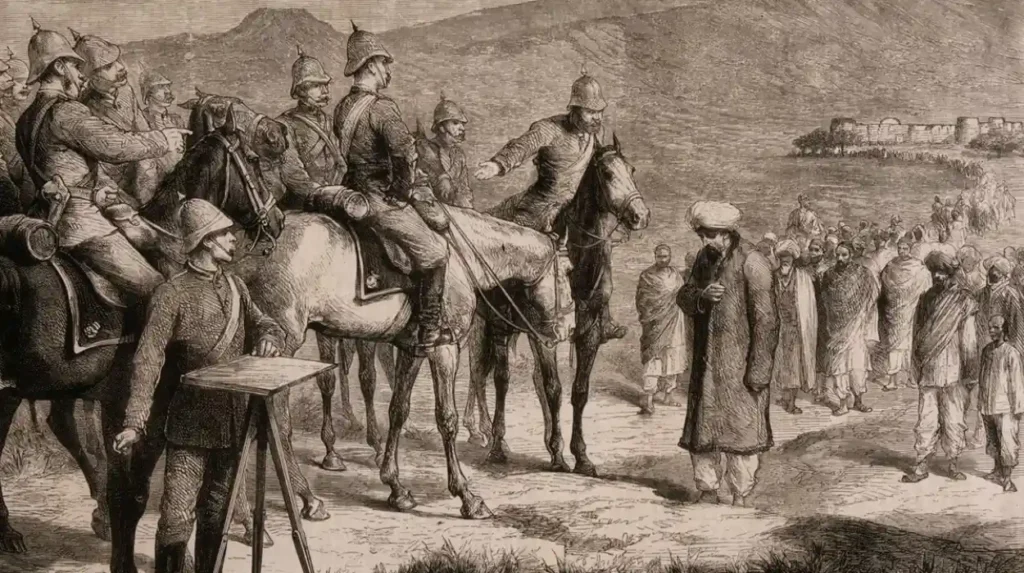
The empire didn’t only expand borders; it shaped nations.
Modern Country Formation
Countries like Canada, Australia, and India developed under the British Empire. The framework and inner workings of their political systems, educational systems, and legal codes reproduced British models. After independence, many of them still maintained those elements.
Cultural Exchange and Identity
The empire brought together people from different cultures. Literature, food, fashion, and art crossed borders. With all the cultural exchanges, the exchange was imbalanced. Local customs and practices were overshadowed and adopted from British values.
The British Empire’s Economic Impact
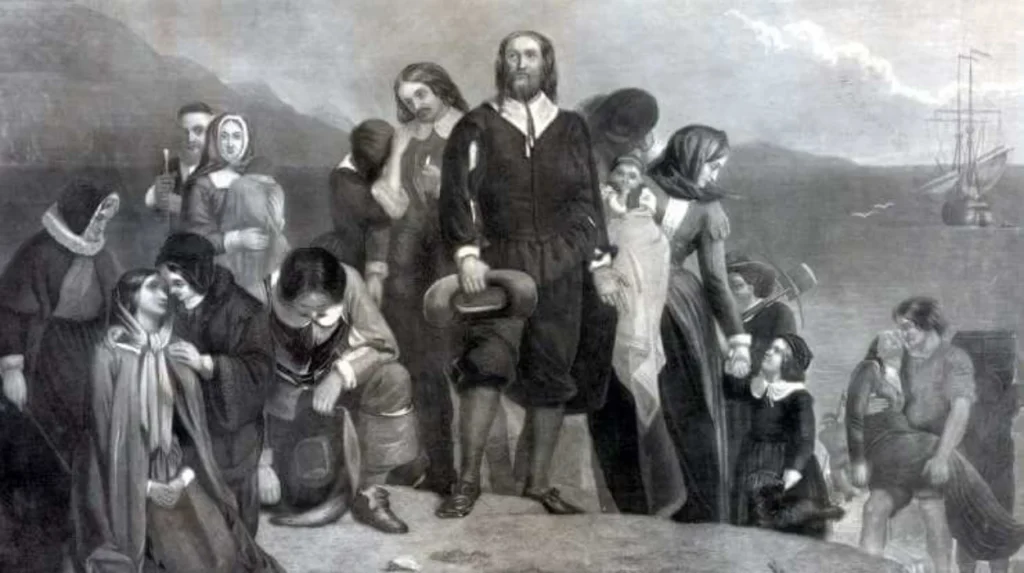
One of the reasons that the British Empire mattered in world history is that it played a major role in establishing global economics.
Industrial Revolution and Empire
The empire’s growth was directly related to the industrial revolution in Britain. The raw materials that factories needed were supplied by colonies, and British products were exported to the colonies. This created a cycle of economic dependence.
Infrastructure development
The British built railways, ports, and telecommunications networks in their colonies. The infrastructure served the interests of the empire. They also served as important groundworks for developing modern economies in many parts of the world.
The Decline of the British Empire
The decline of the British Empire should also be considered before fully responding to the question “What was the British Empire”.
The First and Second World Wars left Britain broke and with a reduced military presence. Colonies around the world were demanding more autonomy, and Britain simply could not maintain the size of its empire any longer.
India achieved independence in 1947, followed by a number of African nations in the 1950s and 1960s. The Empire gradually transformed into the Commonwealth of Nations, a voluntary association of independent countries.