

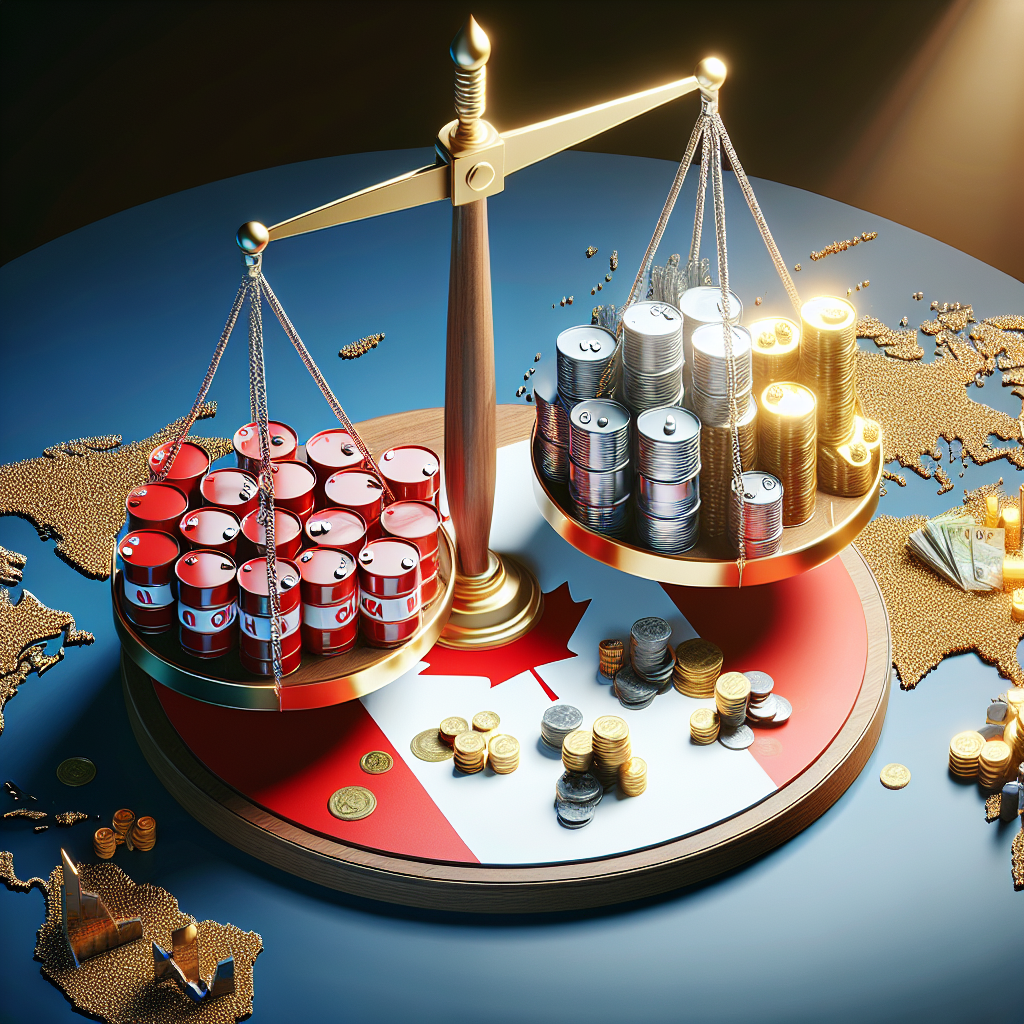
Headline: Canada Poised for Oil Market Gains Amid Global Stabilization Efforts
As nations scramble to stabilize oil prices amid escalating global tensions and supply chain disruptions, Canada finds itself in a unique position to potentially reap substantial economic benefits from the situation. Key players, including G7 nations, are working on strategies to mitigate the impacts of rising fuel costs, which have surged significantly over the past year due to geopolitical factors and pandemic-related disruptions. This concerted global action, occurring in the latter half of 2023, sets the stage for Canada, a prominent oil producer, to leverage its resources and enhance its economic stability.
The Global Oil Crisis: An Overview
In recent months, the oil market has experienced unprecedented volatility, primarily driven by conflicts in oil-rich regions and the lingering repercussions of the COVID-19 pandemic. This turmoil has led to prices soaring to levels not seen in years, compelling governments around the world to take decisive action. The G7 nations are now considering a range of measures aimed at curbing price inflation, including strategic reserves release and international cooperation to ensure steady oil supplies.
As these efforts unfold, Canada’s robust oil industry stands ready to play a pivotal role. The nation, known for its vast reserves and established extraction infrastructure, could benefit significantly from being positioned as a reliable source of stable oil supply in an unpredictable market.
Canada’s Oil Production: Capacity and Potential
Canada has been a key player in the global energy market for decades. With proven oil reserves estimated at approximately 168 billion barrels, the country ranks third globally, trailing only Venezuela and Saudi Arabia. A significant portion of these reserves is found in the Alberta oil sands, which, despite environmental concerns, continue to be a focal point for oil production.
In light of the recent global efforts to stabilize oil prices, Canadian oil companies have ramped up production activities, aiming to respond to heightened demand. The federal government has also facilitated investment in infrastructure improvements and environmentally responsible extraction techniques, bolstering the industry’s long-term viability.
Economic Implications for Canada
As countries work to regulate oil prices, Canada could stand to gain from increased export demand as a more stable supplier in the face of international volatility. In 2022 alone, Canada exported nearly 4 million barrels of crude oil per day, with the United States being the primary destination. As the U.S. and other nations turn to Canada for reliable energy sources amid a tumultuous global market, this could result in a significant economic windfall for the Canadian economy.
Furthermore, the potential for increased revenue from oil exports could have a cascading effect on various sectors, including manufacturing, transportation, and renewable energy developments. With federal and provincial governments bolstering efforts to promote sustainable practices, the simultaneous push for increased production may lead to innovations in cleaner extraction and consumption methods.
Challenges on the Horizon
Despite the promising outlook, Canada’s potential windfall does not come without its challenges. The country continues to grapple with a complex balance of environmental stewardship and economic growth. The oil industry remains a divisive subject among Canadians, with strong opinions on climate change and the necessity of transitioning to sustainable energy sources.
Indigenous rights and consultation also play a critical role in the dynamics of Canadian oil extraction. Many Indigenous communities possess rights to land and resources, and any expansion or new projects must navigate these sensitive issues carefully. Successful engagement with these communities will be vital as the industry seeks to expand and meet the demand stemming from global stabilization efforts.
Maintaining a Competitive Edge
To capitalize on this potential windfall, Canada must prioritize investment in technology and infrastructure that enhance efficiency and reduce environmental impact. This includes adopting advanced extraction methods, investing in carbon capture technologies, and developing alternative energy resources that can complement oil production.
Moreover, securing favorable trade agreements and strengthening relationships with key partners such as the U.S., Europe, and emerging markets will be crucial in positioning Canada as a dependable energy supplier in the shifting global landscape.
The Path Forward
As Canada navigates the complexities of the global oil market, the country’s ability to adapt will determine the extent to which it can capitalize on the current crisis. Coordinated efforts between industry stakeholders, government bodies, and Indigenous communities are essential to ensure that growth is not only economically beneficial but also environmentally responsible.
In the coming months, as nations ramp up their efforts to stabilize oil prices, Canada’s role could evolve from merely being an energy provider to becoming a leader in sustainable practices in the global oil landscape. The implications of these developments promise to shape Canada’s economic future for years to come.
Conclusion
In a world seeking stability amid oil price volatility, Canada stands at a crossroads with unprecedented opportunities. By aligning its strengths in resource production with innovative practices and responsible policies, the nation could emerge not just as a participant but as a leader in global energy markets. As the dialogue continues, the impact on both the domestic economy and international relationships will be closely watched, making Canada a focal point in the evolving tale of global oil and energy transition.