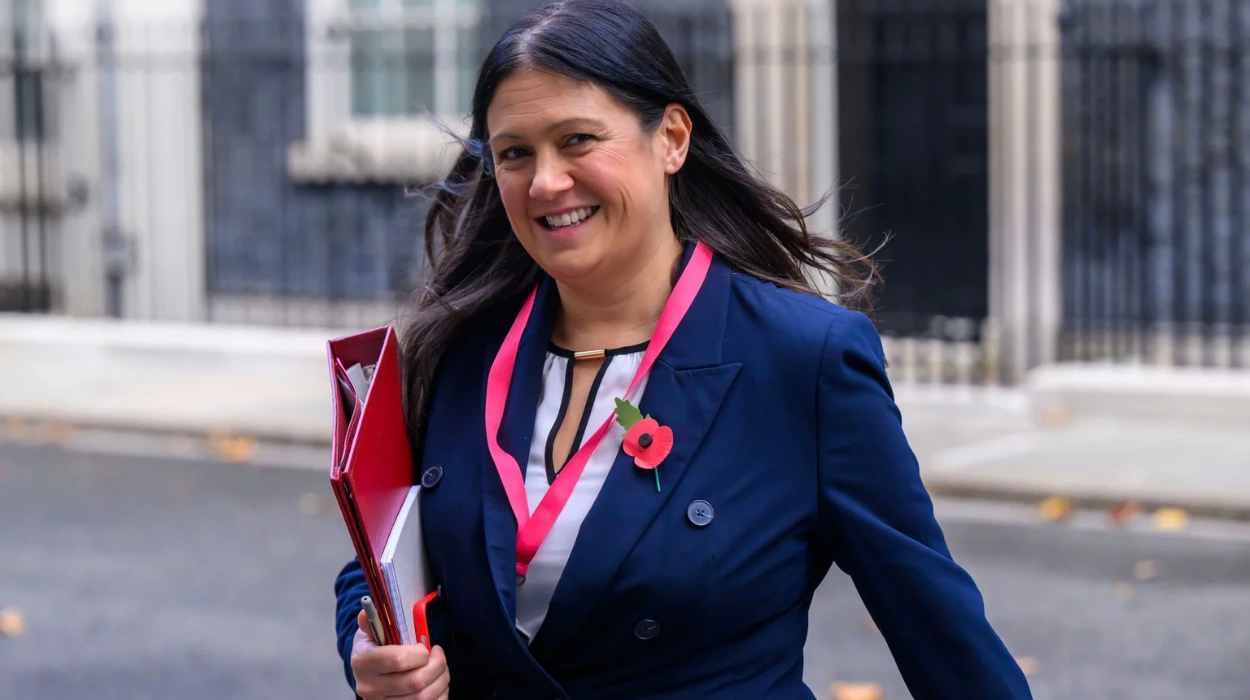
UK (Parliament Politics Magazine) – Culture Secretary Lisa Nandy considers halting BBC licence fee rise amid bias claims, staff resignations, and public criticism.
As reported by The Telegraph, Culture Secretary Lisa Nandy may block a proposed rise in the BBC licence fee, currently £174.50, amid growing concerns over the broadcaster’s impartiality.
The move comes as the BBC faces scrutiny after reports emerged of bias, including the alleged editing of US President Donald Trump’s speech.
How Lisa Nandy could block a BBC licence fee rise amid bias concerns?
Lisa Nandy is considering whether to block a potential freeze on the BBC licence fee, with a decision on an inflation-linked rise expected by February.
The broadcaster reportedly loses £550 million annually due to licence fee evasion. An additional 3.6 million households now refuse to pay the BBC licence fee, citing non-usage, up from 2.4 million in 2021. This is estimated to cost the broadcaster a further £617 million.
Ms Nandy acknowledged there is “real concern” that
“political appointments to the board of the BBC damaged confidence and trust in the BBC’s impartiality.”
She added,
“That’s something that we will be looking at as part of the charter review, which sets the terms for the BBC for the next decade, and which this government is about to kick off.”
What did Nigel Huddleston say about a potential BBC licence fee hike?
Nigel Huddleston, shadow culture secretary, said,
“It is difficult to see how the BBC can justify an increase given current controversies over governance and impartiality and growing concerns over value for money.”
He added,
“More and more people are already moving away from the BBC and have stopped paying the licence fee. This trend will surely accelerate with any further increase.”
What did Geoffrey Clifton-Brown say about the future of the BBC licence fee?
Conservative head of the Public Accounts Committee, Geoffrey Clifton-Brown, warned that faith in the BBC licence fee system is set to “ebb away,” according to a committee report.
He said,
“Our report makes clear that the ground is shifting beneath the BBC’s feet – the traditional enforcement method of household visits is seeing fewer and fewer returns at a time of heightened competition for almost every aspect of the BBC’s activities.”
Mr Clifton-Brown added,
“Without a modernised approach focused more on online viewing, the broadcaster will see faith in the licence fee system ebb away.”
What did the new figures show about BBC licence fee evasion and losses?
Newly released data shows the BBC lost over £1 billion last year due to licence fee evasion and cancellations, despite making two million enforcement visits to households.
The number of visits to households without a licence rose 50% in 2024-25, but the BBC said it “has become increasingly difficult to get people to answer their doors.”
The broadcaster has faced increasing scrutiny as free platforms like YouTube and TikTok attract viewers, but the BBC says the licence fee remains essential to providing a “universal” service.
What did the BBC say about licence fee reform and collection?
A BBC spokesman stated,
“The licence fee needs reform. We are actively exploring all options that can make our funding model fairer, more modern and more sustainable, but we’ve been clear that any reform must safeguard the BBC as a universal public broadcaster.”
He added,
“TV Licensing works hard to collect the licence fee and enforce the law efficiently, fairly and proportionately and we are audited on this each year. The National Audit Office reports that we continue to successfully deliver on these measures.”
What did Donald Trump say about suing the BBC over the Panorama edit?
The dispute between the BBC and President Trump reignited after a Panorama episode on the 2021 Capitol riot, prompting the resignations of Director-General Tim Davie and News CEO Deborah Turness.
Donald Trump confirmed he still plans to sue the BBC, even after receiving the apology he demanded over a misleading edit of his speech.
He said,
“We’ll sue them for anywhere between a billion and $5bn, probably sometime next week. We have to do it.”
The BBC issued an apology to President Trump but insisted there is no legal basis for a lawsuit over a documentary his lawyers labelled defamatory.
Referring to his edited speech, Mr Trump said it was “impossible to believe.”
He added,
“I made a beautiful statement, and they made it into a not beautiful statement. Fake news was a great term, except it’s not strong enough. This is beyond fake, this is corrupt.”
Who owns the BBC?
The British Broadcasting Corporation is a publicly owned broadcaster, but it operates independently of direct government control.
The broadcaster is established under a Royal Charter and is ultimately accountable to its audience, the British public, through Parliament.
Its primary funding comes from a television licence fee paid by all UK households that watch live television or use the BBC’s streaming service, iPlayer.