Washington, United States — 2026. Federal energy policy entered a decisive phase this year as US nuclear grants emerged as a central pillar of the nation’s long-term energy strategy. With electricity demand climbing, aging infrastructure under pressure, and climate targets tightening, policymakers are increasingly turning to advanced nuclear technologies as a reliable and scalable solution.
The renewed funding push reflects a broader reassessment of nuclear power’s role in the national energy mix, positioning it not as a legacy technology but as a modern tool for resilience, emissions reduction, and industrial competitiveness.
The Policy Foundations Behind Expanded Nuclear Funding
Over the past decade, energy debates in the United States have been dominated by renewables, storage, and grid modernization. Nuclear power, while consistently supplying carbon-free electricity, often occupied a secondary role in policy discussions. That balance is now changing.
Federal officials argue that wind and solar alone cannot meet round-the-clock demand without firm baseload generation. As a result, US nuclear grants have been expanded to support reactor innovation, demonstration projects, and early-stage construction, reducing the financial and regulatory barriers that historically slowed deployment.
Why Nuclear Power Has Reentered the Spotlight
Several converging trends explain the renewed focus on nuclear energy. Data center growth, electrification of transportation, and reshoring of manufacturing have driven electricity consumption upward at a pace not seen in decades.
At the same time, extreme weather events have highlighted vulnerabilities in existing grids. Policymakers increasingly view nuclear power as a stabilizing force, capable of delivering continuous output regardless of weather or fuel supply disruptions. In this context, US nuclear grants are framed as investments in national resilience.
Advanced and Small Reactors Take Center Stage
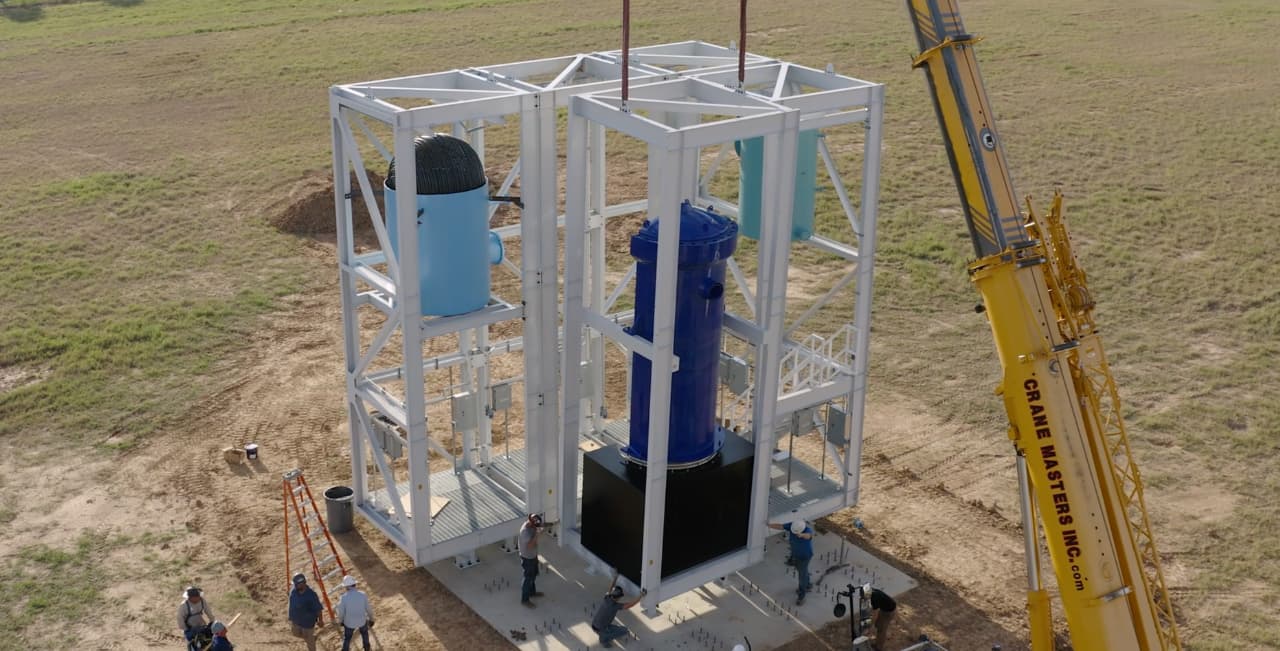
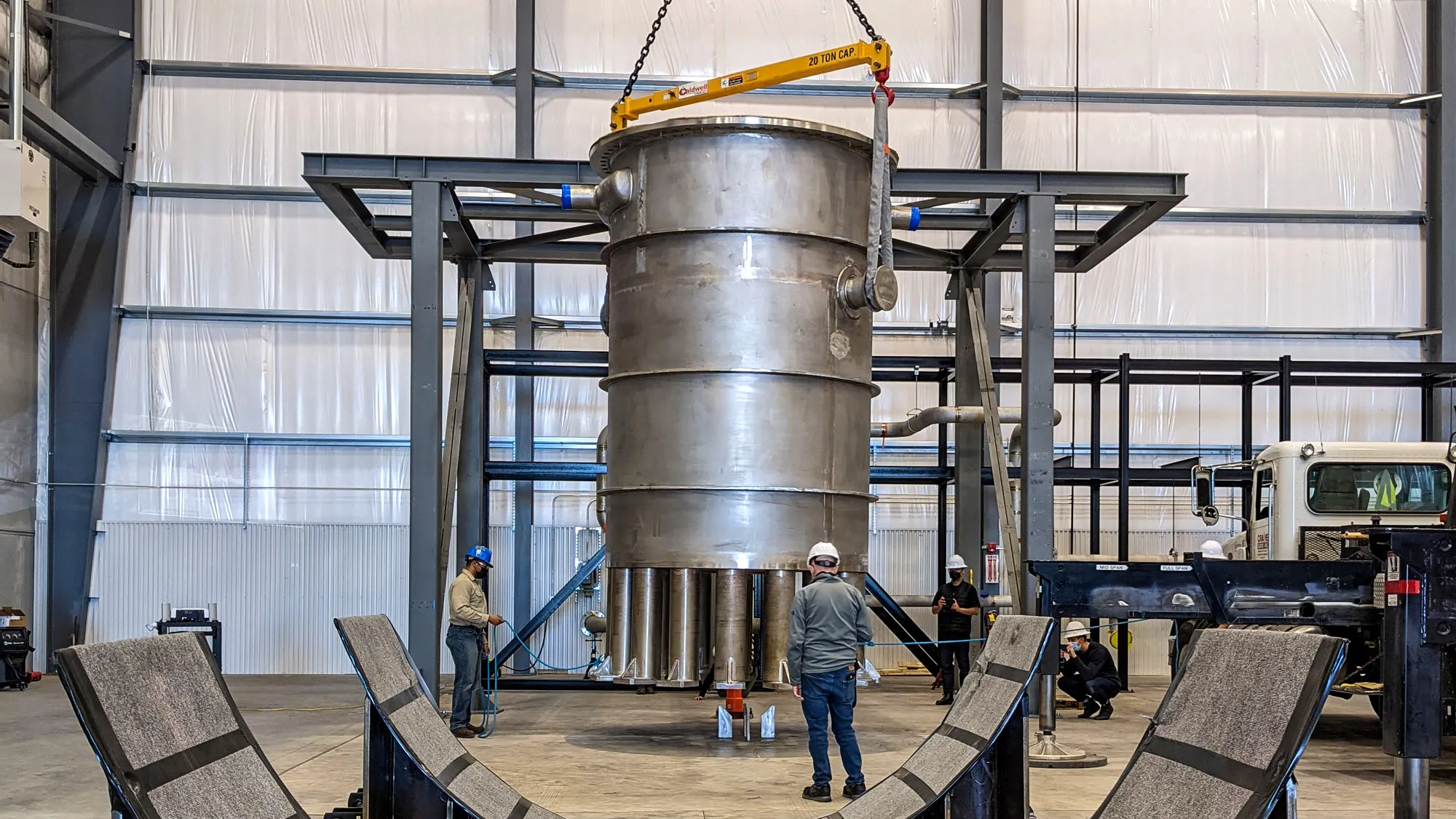
Unlike the large reactors built in previous generations, newer designs emphasize modular construction, passive safety features, and lower upfront capital requirements. These advanced and small reactors can be deployed incrementally, reducing financial risk and allowing for faster timelines.
As US nuclear grants support licensing, testing, and first-of-a-kind deployments, developers are moving closer to commercial viability. The modular approach also opens opportunities for reactors to serve industrial facilities, military installations, and remote communities.
Economic Ripple Effects Across the Supply Chain
Nuclear development generates extensive economic activity beyond electricity production. Engineering firms, component manufacturers, construction contractors, and research institutions all benefit from sustained investment.
Federal analysts estimate that each reactor project supports thousands of direct and indirect jobs over its lifecycle. By channeling resources through US nuclear grants, policymakers aim to rebuild domestic nuclear supply chains that had eroded over time.
State-Level Engagement and Regional Benefits
States with existing nuclear expertise have moved quickly to position themselves as hubs for advanced reactor deployment. Others see nuclear projects as opportunities to replace retiring coal or gas plants while preserving employment and tax bases.
Through partnerships enabled by US nuclear grants, states align local economic priorities with national energy goals, fostering regional development without sacrificing reliability.
Grid Reliability in an Era of Electrification
The expansion of electric vehicles, heat pumps, and industrial electrification has placed unprecedented demands on the grid. Intermittent renewable sources, while essential, cannot always guarantee supply during peak demand.
Supporters argue that US nuclear grants help ensure grid stability by enabling reactors to operate as firm, dispatchable resources that complement renewables rather than compete with them.
Energy Security and Reduced Fuel Volatility
Global energy markets remain susceptible to geopolitical shocks and price volatility. Nuclear power, with long fuel cycles and domestic sourcing, offers insulation from sudden disruptions.
By expanding US nuclear grants, federal authorities seek to reduce exposure to international fuel markets while strengthening domestic energy independence.
Regulatory Oversight Remains Central
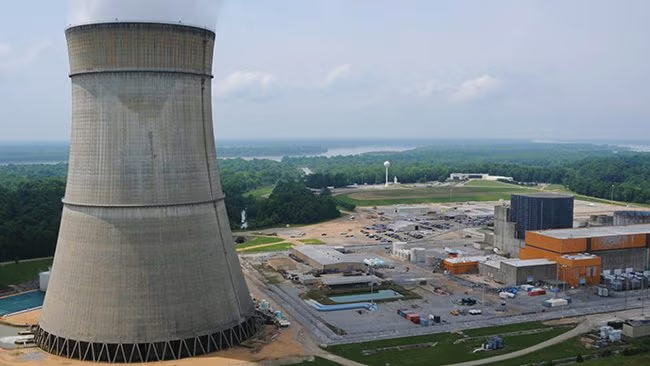
Despite accelerated funding, regulators emphasize that safety standards remain unchanged. Advanced reactors must still undergo rigorous design review, environmental assessment, and operational licensing.
Officials stress that US nuclear grants are structured to support compliance and innovation simultaneously, reinforcing public confidence in nuclear oversight.
Environmental Considerations and Waste Management
Nuclear energy’s environmental profile remains a subject of public debate. While reactors produce no operational carbon emissions, concerns persist regarding spent fuel management.
Proponents argue that newer technologies supported by US nuclear grants aim to reduce waste volume, improve fuel efficiency, and explore recycling options that address long-standing challenges.
Public Perception and Community Engagement
Community acceptance plays a decisive role in project success. Developers increasingly prioritize transparency, local consultation, and workforce training to build trust.
Federal funding programs linked to US nuclear grants often include community engagement requirements, recognizing that social license is as critical as technical feasibility.
Private Sector Response and Capital Mobilization
The availability of federal support has encouraged private firms to advance reactor projects and commit capital. Venture funding and institutional investment have increased as policy certainty improves.
Analysts note that US nuclear grants act as a signal to markets, reducing perceived risk and unlocking private financing that would otherwise remain on the sidelines.
Industry Perspective
One senior energy analyst observed,
“This funding wave shows that nuclear energy is being treated as a strategic asset for the future rather than a relic of the past.”
Global Competition and Technological Leadership
Countries in Europe and Asia are racing to develop advanced reactors, viewing nuclear technology as both an energy solution and an export opportunity. Maintaining leadership is increasingly seen as a matter of economic and geopolitical influence.
Through sustained US nuclear grants, policymakers aim to ensure that American standards, designs, and safety practices shape the global nuclear market.
Research Institutions and Innovation Ecosystems
National laboratories and universities play a central role in advancing reactor technology. Federal funding supports materials science, fuel development, and digital control systems.
By anchoring innovation ecosystems around US nuclear grants, the United States strengthens its long-term research capacity and workforce pipeline.
Challenges That Could Slow Deployment
Despite momentum, obstacles remain. Lengthy licensing processes, supply chain bottlenecks, and skilled labor shortages could affect timelines.
Critics warn that without sustained political support, US nuclear grants alone may not be sufficient to overcome structural challenges that have historically plagued nuclear projects.
Balancing Cost and Public Accountability
Cost overruns in past nuclear projects have fueled skepticism. Policymakers now emphasize cost discipline, modularity, and phased deployment to avoid repeating mistakes.
Funding mechanisms tied to US nuclear grants increasingly include performance benchmarks and accountability measures.
Long-Term Role in a Diversified Energy Mix
Most experts agree nuclear power will coexist with renewables rather than replace them. Advanced reactors may also support hydrogen production, desalination, and industrial heat applications.
As US nuclear grants continue shaping investment patterns, nuclear energy is increasingly viewed as a flexible platform rather than a single-purpose solution.
Strategic Implications for Climate Policy
Achieving net-zero targets without nuclear power would require massive overbuilds of renewables and storage. Policymakers argue that nuclear reduces overall system costs by providing firm capacity.
In this context, US nuclear grants are framed as pragmatic climate tools rather than ideological commitments.
A Redefined Federal Role in Energy Development
The federal government’s approach reflects a shift from passive regulation to active partnership. By sharing early-stage risk, authorities aim to accelerate innovation while maintaining oversight.
This model, embodied by US nuclear grants, mirrors approaches used historically in aerospace, defense, and digital infrastructure.
The Road Ahead for Nuclear Deployment
The next decade will test whether advanced reactors can meet cost, schedule, and performance expectations. Early successes could unlock broader deployment, while setbacks may renew skepticism.
The trajectory of US nuclear grants will therefore remain a key indicator of policy resolve and institutional learning.
A Defining Moment for US Energy Strategy
The expansion of federal funding in 2026 marks a defining moment for American energy policy. It reflects a recalibration driven by realism, technological progress, and long-term planning.
As Washington advances this strategy, US nuclear grants stand at the intersection of innovation, security, and sustainability, shaping how the nation powers its economy in the decades ahead.