

The English Civil War is an extremely important event in the history of Britain. It was a conflict that divided the nation in 17th-century Britain, and many people ask how Britain went from a period of relative tranquillity to a devastating war between the king and his own people. The answer lies in a combination of politics and religion, money, and power.
In this article, we will seek to examine the key causes of the English Civil War. Each cause will be considered in greater detail so you can appreciate why the war exploded.
The Power Struggle Between the King and Parliament
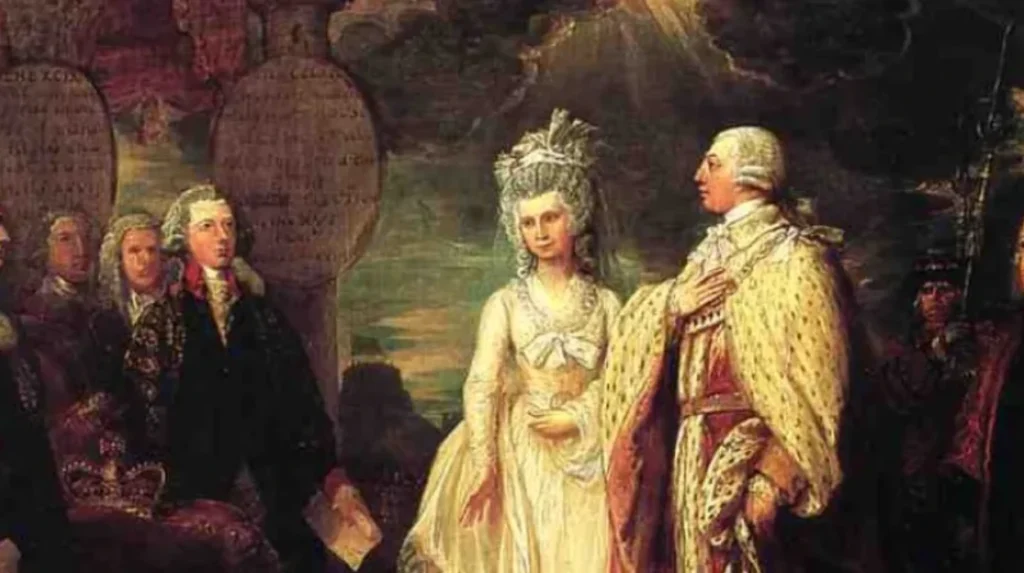
One of the main causes of the English Civil War was the power struggle between King Charles I and the Parliament of England. Charles believed in the “divine right of kings.” In other words, he believed that his authority to rule came from God only and that no one had the right to challenge the way he ruled.
On the other hand, Parliament wanted to share the power of governance. The members believed that the king should not be able to make major decisions, and decisions to spend money were the largest decisions, without parliamentary assent. For this reason, the power struggle created continuous friction.
Why This Causes Conflict
Because Charles wanted full control and Parliament wanted restrictions, both sides would compromise. The battle for power was one of the more obvious reasons the English Civil War happened.
Financial Problems and High Taxation

Another cause of the English Civil War was financial problems. The wars in Europe, in conjunction with royal spending, depleted the treasury. Charles I needed financial resources to pay for his army and other expenses.
1. Disagreement over taxation
When Parliament would not give him money, Charles tried to find money through other means. He forced people to pay taxes and fines (that were often unreasonable), which made many citizens upset.
2. Growing Resentment
Unpopular taxes and the king not asking for advice and taking Parliament’s advice created deep resentment. People felt that they were being used to pay for the king’s ambitious plans. This financial situation helped an already tense situation.
Religion and the Church
Religion was another factor in the English Civil War. England was split amongst varying religious groups. Most people identified as Protestants, but there were Catholics and Puritans with very different religious beliefs and practices.
1. The King’s Religious Decisions
Charles I supported the practices of the Church of England that many Protestants believed Catholic. He married a Catholic queen, which only fueled suspicion.
2. Puritan Resistance
The Puritans, a group of Christians who wanted to “purify” the church of all things Catholic, strongly opposed the king’s policies. They viewed Charles’ actions as attempts to slide England back to Catholicism.
3. Religious Fear Turns Political
Religion was important to politics, the disagreements moved past the church into laws, public opinion, and balance of power. These divisions provided one of the most explosive causes for the English Civil War.
Charles I’s Personal Rule
From 1629 to 1640, Charles ruled without calling Parliament. This decade is called the “Personal Rule.” During that time, he made unilateral decisions and discovered new taxes to gain revenues.
1. Public Outrage
Most people saw this as an overreach of English tradition. They felt the king was disregarding the people’s rights. Charles became less of a ruler to law and tradition, and more of a dictator subject to his looks.
2. The King’s Reaction
Charles was unwilling to abide by these requirements. He was trying to arrest members of parliament. This act alarmed the majority of people and made them realize that Charles was a threat to English liberty.
3. Division in the Country
Everyone had to declare loyalty. Some declared themselves on the side of the king (Royalists), and some declared loyalty to parliament (Parliamentarians). The nation was poised for war.
Social and Class Tension
Seventeenth-century England was changing. Merchants, landowners, and townsmen were beginning to grow powerful. They wanted a voice in government and would no longer tolerate absolute monarchy.
1. Old vs. New
The existing ruling class, especially the nobles, who were loyal to the king, were at odds with the new groups. This was another point of division.
2. The Spark Which Caused War
By 1642 Charles and Parliament had no trust in each other. Neither side wanted to back down.
3. The King Raises His Standard
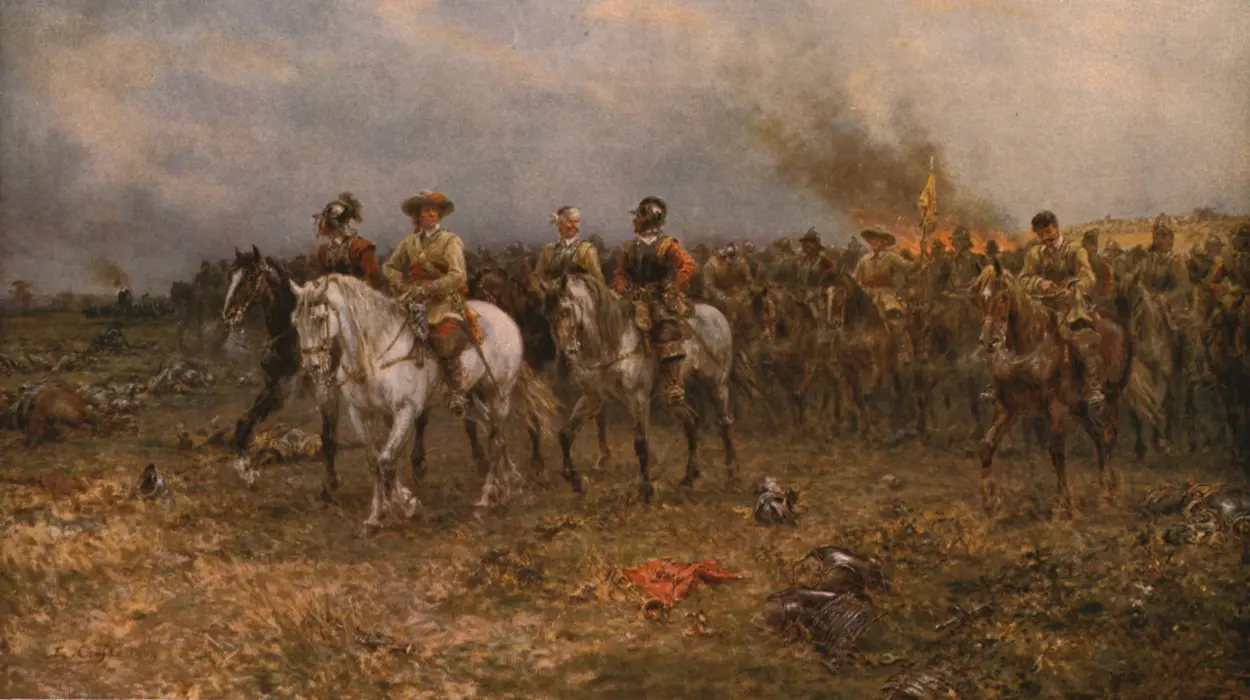
In August of 1642, Charles raised his royal standard in Nottingham. That was the beginning of open war. England was now two opposing armed camps.
4. Why Causes Became War
The reasons for religion, a desire for money, a craving for power, and mistrust had been building for years. Now that the final spark had come, war could not be avoided.
The Lasting Impact of the English Civil War Causes
The English Civil War did not arise from one single cause but resulted from a number of interconnected causes. There was a political struggle for power between the king and Parliament, there were financial problems, there was the issue of religion, and there was the king’s problematic personal rule. On top of all this were rebellions in Scotland and Ireland and increasing levels of anger and discontent among various groups in England.
Ultimately, by looking at the causes of the English Civil War, we can see that the conflict was about more than just fighting. The issue before the nation was who was going to control the future of England: a king in absolute charge without limits to his authority, or the people through Parliament with a rightful role in running their country?
The war ended in Charles I being executed and a temporary end to monarchy, but now, almost 400 years later, the causes of the war continued to affect British politics for centuries afterward. If we reflect on them, we can recognize how the pursuit of power, religion, and freedom are key themes in the history of the world.
