

The Second World War is one of the darkest eras in human history. For the United Kingdom, it was a period of great fear and loss, as well as resilience. Cities were bombed, families were torn apart, and thousands of lives were lost. The loss of life shows us the sheer scale of sacrifice as well as the human cost that accompanied the events the media reported on. This article will go through the statistics, examine where those deaths occurred, and look at why remembering them still matters today.
The Human Cost of the War
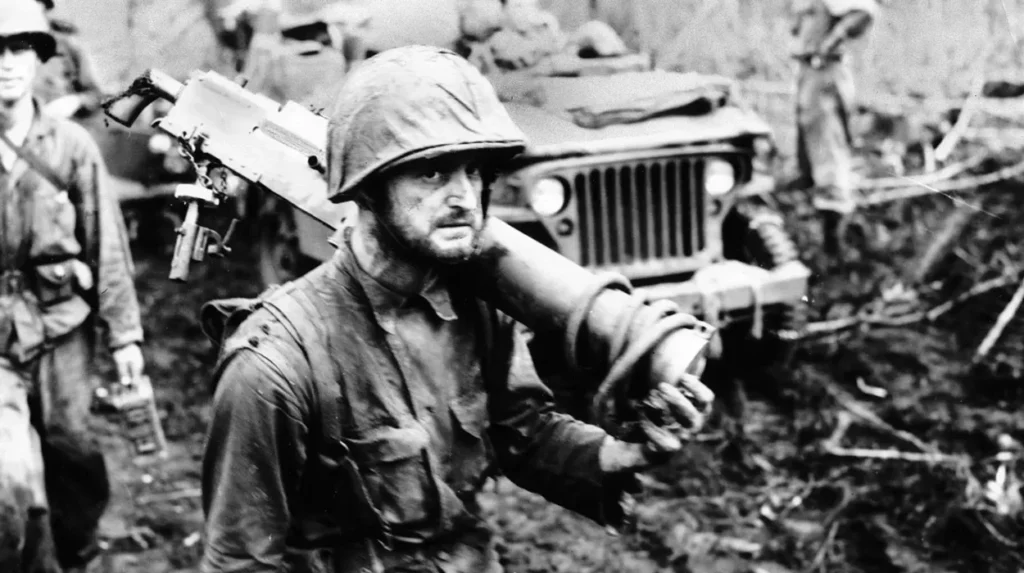
The Second World War lasted from 1939 to 1945. In those six years, millions of people died across the world. There were military personnel and civilians who died. The deaths came through fighting in far-off countries and from bombing attacks on the UK, and many people suffered from disease and the hardship of the war.
Asking how many people died in the Second World War gives both bravery and tragedy in those numbers. Beyond the statistics of the figures are fathers, mothers, children, and soldiers who valiantly stood against one of human history’s greatest threats.
Military Deaths in the UK
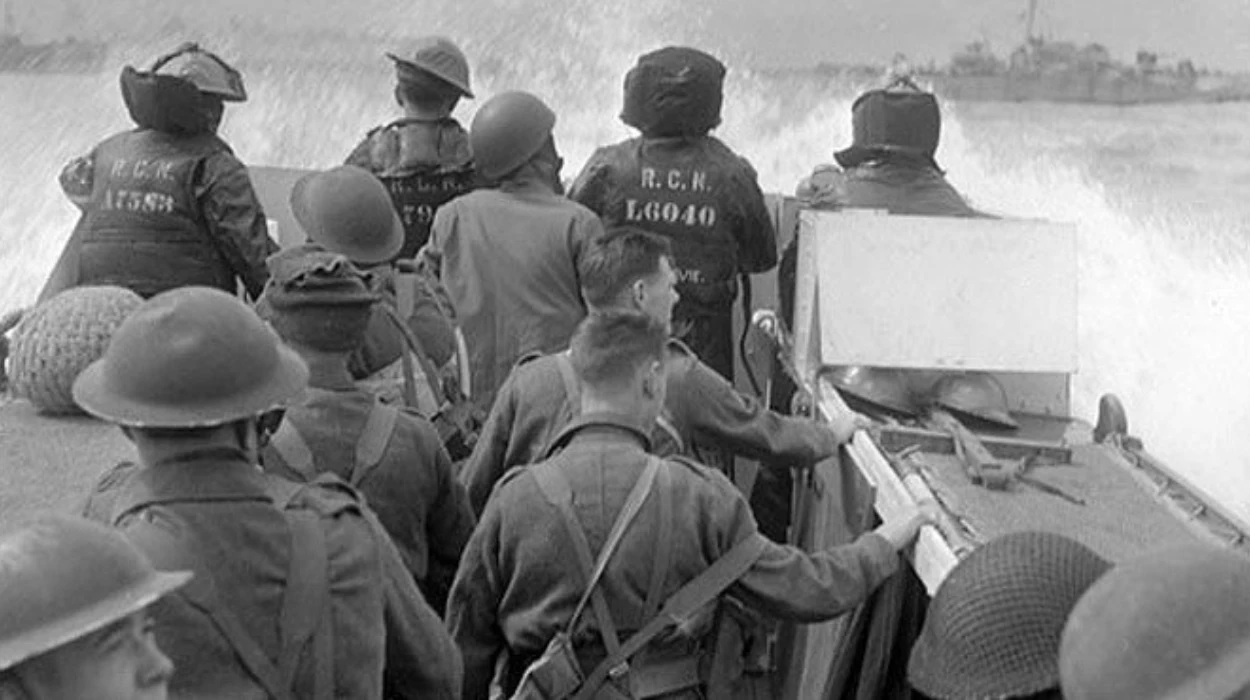
One of the largest groups affected was the British military. Soldiers, sailors, and airmen were stationed all over Europe, Africa, and Asia. They fought in terrible battles from Dunkirk to North Africa and in the skies over Britain to the beaches of Normandy.
Roughly 383,800 members of the UK armed forces lost their lives due to the conflict. This figure incorporates all those killed in combat, those who are missing and can never be found, and a number of others who died due to injuries and the harshness of their surroundings. This figure demonstrates the scale of commitment from the British forces in the Second World War.
Civilian Deaths in the UK

The war was fought in other places than the battlefields. It came to Britain. The bombing raids traditionally known as the Blitz were not limited to London, and they did not end with the German withdrawal from the capital. Other major British cities, including Coventry and Liverpool, were also subjected to bombardment, which totally destroyed homes, factories, schools, and cities.
Around 67,100 civilians died in the UK and Ireland due to WWII. Many of these deaths were caused by air raids; others were due to accidents, shortages, and the poor conditions of living through a war. The fact that civilians paid such a heavy price shows how total this war was.
Deaths at Sea
The seas were another dangerous front. The great struggle known as the Battle of the Atlantic was one of the longest battles of the war, when German submarines, or U-boats, destroyed the supply ships with food, weapons, and essential goods that the British people depended on. Merchant sailors carry the consequences of panic and face terrifying eventualities.
It was estimated that approaching 30,000 merchant navy sailors in the UK died in these attacks. During the shortages experienced during the wars, these sacrifices meant that Britain would be supplied when the population was close to starvation. Facing severe consequences of their own, their contributions made for an easier survival.
Deaths of Children
One of the saddest aspects of the war was the loss of children. Children were evacuated out of major cities to rural areas but still faced danger. Schools were bombed. Homes were bombed. Thousands of children were among civilian casualties.
The stories of children lost to the war remind us that war has no pity and spares no one. Children in particular suffered and were too young to fight and faced all the consequences of a global war.
Total Deaths in the UK
We can now begin to see an answer to our questions about deaths in the UK during the Second World War when we look at military deaths, civilian deaths, and total deaths. The answer stands at about 450,700 deaths. A total of 450,700 deaths in the UK during the Second World War would consist of
- 383,800 military deaths
- 67,100 civilian deaths
- Possibly thousands more from merchant navy losses and other wartime events
But every one of these deaths needs to be understood in the history of the nation and left lasting scars on families and communities.
The Role of Women and Losses
Women were important in wartime both in the armed forces and at home. Many women traveled as nurses, many served in the Women’s Royal Naval Service, and many served in the Air Transport Auxiliary. Some lost their lives while serving in hazardous roles, many of which were transporting aircraft, and at times they were even ironically described as ‘ferry pilots’ in 1945, flying into bombed cities.
Women’s losses and contributions are not often discussed; they are equally essential to understanding how many lost their lives in the Second World War in the UK.
Why the Numbers Matter
Some may ask why it matters to know how many died during the Second World War in the UK. The answer is simple: this is the cost of freedom. It’s a reminder that peace is not free; it is paid for with lives.
Knowing the numbers helps us to recall the resilience of the people who lived through those horrible years. It stops history from being lost and reminds future generations what war costs.
Britain’s experience in World War II was truly a time of terrible suffering, with around 450,700 UK fatalities in total casualties, not only including soldiers, sailors, and pilots, but also men, women, and children. Each of those deaths is part of a bigger narrative of struggle, sacrifice, and survival.
When we ask of how many people in the UK died in the Second World War, we discover much more than a number; we reveal the stories of courage, adversity, and loss that still resonate with us in Britain today and honor their sacrifice and lessons of history.
