It might surprise readers to learn that while the UK has a comprehensive military honours system – including the Victoria Cross for gallantry, campaign medals for operational service, and the Elizabeth Cross for families of the fallen – we have no official recognition for those wounded in service.
This isn’t right. And it’s why Corporal Andy Reid MBE has been campaigning for a new medal.
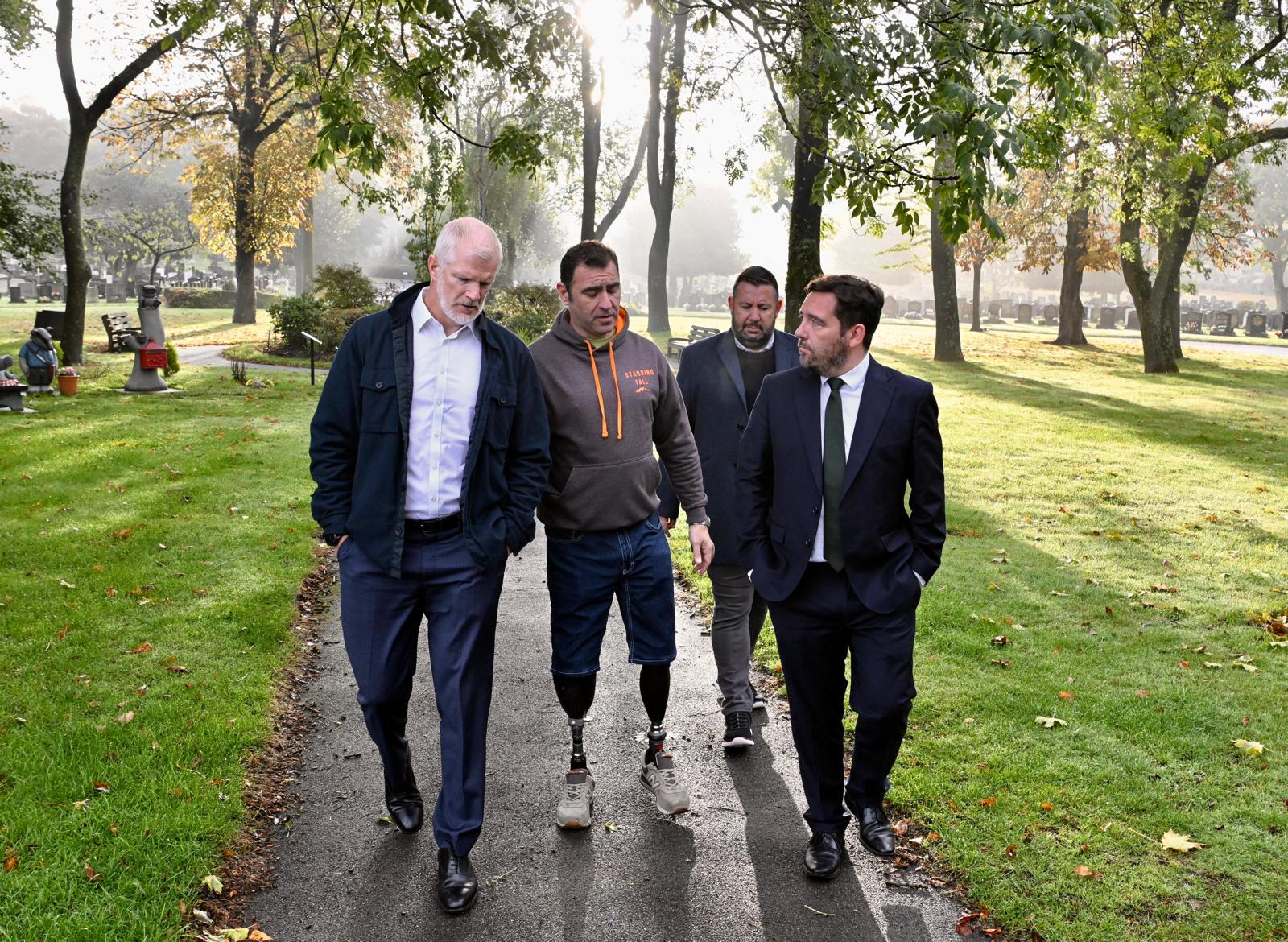
When Armed Forces Minister Al Carns – himself a veteran – accepted my invitation to St Helens in September we discussed it with him then, and last week I had the honour of leading a Westminster Hall debate calling for the introduction of a medal to recognise British service personnel wounded in combat.
Andy and his incredible story will be well known to people in St Helens and beyond.
Seriously injured after stepping on an IED in Helmand Province in 2009, he survived against the odds after losing three limbs. He has gone on to have a wonderful family and to inspire and help countless others through amazing fundraising efforts and community work with his Standing Tall Foundation.
Andy has an Operational Service Medal for Afghanistan that he wears with pride. But as I told Parliament, that medal tells only part of his story. It records where he served, not what he sacrificed. It does not mark the physical wounds he carries or the daily challenges he faces with tasks others take for granted.
According to Ministry of Defence statistics, 2,644 personnel have sustained battle injuries since January 2006. Behind every statistic is someone like Andy – someone whose life has been permanently altered in service to this nation. Military personnel are deployed specifically to environments where armed enemies attempt to kill or injure them. This is the fundamental nature of military service, and it deserves unique recognition.
Some might ask: doesn’t everyone who serves deserve equal recognition? Absolutely – which is why we have campaign medals. But combat wounds represent something distinct. They are the physical price paid in defence of our country. When we recognise those killed in action through the Elizabeth Cross, we acknowledge the ultimate sacrifice. Why then do we not recognise those who survive with life-changing injuries?
Advances in battlefield medicine mean more veterans now survive with catastrophic injuries that would have been fatal in previous conflicts. Thousands carry visible injuries, like Andy. Many others carry hidden wounds, both physical and mental, from blast injuries and trauma. I believe they all deserve formal acknowledgement.
The practical arguments are equally compelling. Those considering military service want to know that any sacrifice they make will be formally recognised. In an era of recruitment challenges, this new medal is not just a moral imperative but practical policy that will show the next generation that we appreciate their efforts.
Andy Reid doesn’t campaign for this medal because he seeks personal glory. He already has an MBE, the respect of his community, and the gratitude of the charities he’s raised hundreds of thousands of pounds for. As he told me, for some injured troops this recognition could be “a thank you from the nation that might just pull them out of that dark place and move forward with their lives towards a better future.”
That’s what this is really about – telling wounded veterans that their nation sees them, values them, and acknowledges what they’ve given.
The good news is that this debate has momentum.
Defence companies have expressed interest in funding the medal, potentially eliminating any cost to the public purse.
MPs from both sides of the House have shared their support with me, and fellow MPs Peter Dowd, Paul Waugh and Jim Shannon spoke in the debate about what it would mean for people in their communities.
Veterans Minister Louise Sandher-Jones acknowledged in her response that officials are considering whether such a medal would be viable and how best to implement it. They have my full support in doing so.
The Labour Government plans to make Britain the best place in the world to be a veteran, and this new medal fits perfectly within that vision. This is the whole society approach in action – government setting policy, industry contributing resources, veterans themselves leading the charge for change.
It is time to introduce formal recognition that says to every service person wounded in defence of our nation: we see you, we honour you, and we will never forget what you have given.