The Chagos Defiance: Starmer vs. Trump in a High-Stakes Diplomatic Face-Off
When it comes to international diplomacy, few things are as delicate as the “Special Relationship” between Britain and America. But right now, that relationship is being tested in spectacular fashion over a remote archipelago most Brits couldn’t find on a map. Keir Starmer is digging in his heels, Donald Trump is firing off Truth Social posts, and the Chagos Islands have become the unlikely flashpoint in a diplomatic showdown that could reshape UK-US relations for years to come.
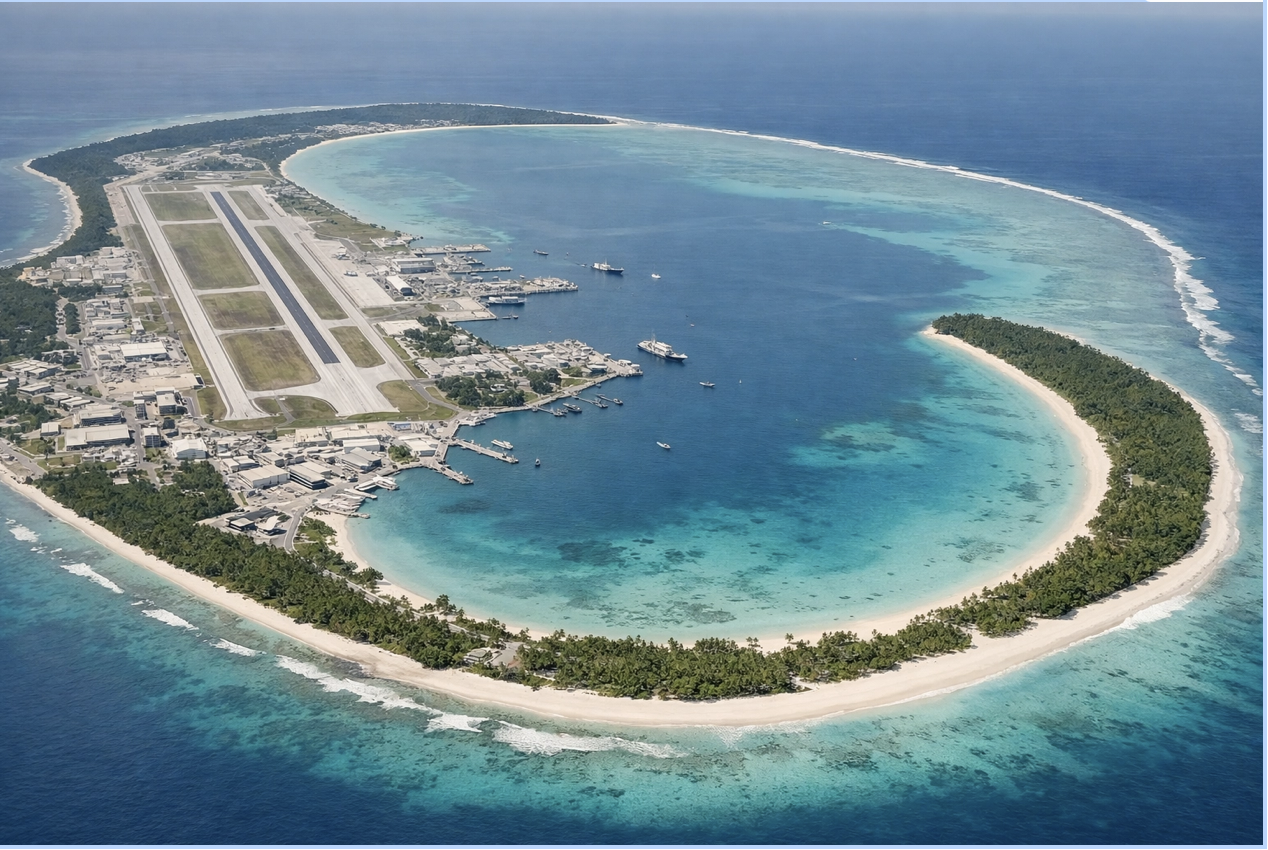
It started with a bang on Truth Social. Donald Trump, never one to mince words, called the Chagos deal a “big mistake” and warned about security threats to Diego Garcia: specifically mentioning Iran. For those unfamiliar, Diego Garcia isn’t just any island. It’s home to one of the most strategically important military bases on the planet, jointly operated by the US and UK. It’s been a launch pad for operations in the Middle East, a key refuelling station, and a cornerstone of Western military presence in the Indian Ocean.
Trump’s concerns aren’t entirely out of left field. The deal Starmer is pushing would hand sovereignty of the Chagos Islands to Mauritius while maintaining a 99-year lease for the Diego Garcia base. But Trump’s sceptical about lease arrangements when it comes to military installations, stating bluntly that “leases are no good when it comes to countries.” His implication? That a lease arrangement provides less certainty and control than outright sovereignty, especially in a region where geopolitical tensions are running high and with Mauritius being an ally of China.
What makes this particularly awkward is Trump’s own flip-flopping on the issue. Just last year, he indicated support for the deal during an Oval Office meeting, saying he was “inclined to go along” with it. Then he reversed course. Then his administration formally backed it. Now he’s reversed again. It’s a masterclass in diplomatic whiplash.
So what exactly is this controversial agreement? In essence, the UK would transfer sovereignty of the Chagos Islands to Mauritius, ending decades of dispute over Britain’s colonial-era control of the territory. In return, the UK and US would secure a 99-year lease to continue operating the Diego Garcia military base, ensuring long-term strategic access to this vital facility.
Supporters argue it’s a pragmatic solution that addresses legitimate concerns about post-colonial territorial disputes while protecting Western security interests. The lease is nearly a century long: hardly a short-term arrangement. From Starmer’s perspective, it resolves a thorny international legal issue, the International Court of Justice has previously ruled Britain’s control of Chagos was unlawful, although there ruling in non-binding, while maintaining the military status quo.
Critics, however, see it differently. They argue Britain is surrendering sovereign territory for nothing more than a rental agreement, and a costly one at that. Conservative opponents claim the deal could cost UK taxpayers a staggering £34.7 billion while handing control to a government they characterise as closely aligned with China. That’s not an insignificant concern given increasing great power competition in the Indian Ocean region.
Reform Leader Nigel Farage jumped on the issue, using it to paint Starmer as weak on national security. Iain Duncan Smith has questioned the strategic wisdom of the arrangement. But perhaps most pointedly, Shadow Foreign Secretary Priti Patel called Trump’s opposition an “utter humiliation” for Starmer and demanded the government abandon the deal entirely.
It’s a politically difficult position. Starmer is caught between international legal obligations, US pressure (which keeps changing direction), domestic opposition, and his own government’s strategic priorities. The optics aren’t great: a British Prime Minister being publicly rebuked by an American President over a deal involving British territory raises uncomfortable questions about sovereignty and independence in foreign policy.
Despite the Trump tirades and domestic political pressure, Number 10 has indicated the government intends to proceed with the agreement. This represents a significant assertion of British foreign policy independence, particularly given the traditional deference shown to Washington on security matters.
The calculation appears to be that the legal and diplomatic benefits of resolving the Chagos dispute outweigh the political costs of defying Trump. Starmer’s team likely reckons that Trump’s position may shift again (given his track record), and that maintaining the status quo indefinitely isn’t sustainable given international legal pressure.
There’s also a broader principle at stake. Should Britain abandon diplomatic agreements because an American President tweets his disapproval? If Starmer caves now, it sets a precedent that could undermine British foreign policy autonomy on future issues – but then the Prime Minister has already made 15 U-turns in 18 months, so would one more make much difference?
Make no mistake: this is a real test of UK-US relations. The “Special Relationship” has weathered storms before, but public disagreement over military bases and security arrangements cuts to the heart of the partnership. Trump’s invocation of “wokeism” in relation to the deal (suggesting he views the handover to the Mauritius government through an ideological lens) adds another layer of complexity and potential tension.
And in all these diplomatic shenanigans, spare a though the one group of people who have been completely ignored, the Chagos Islanders themselves. The islanders overwhelmingly want to remain British, as their Chief Minister wrote on this website earlier in the year. When will the international community listen to them, after all the right to self-determination is a foundational principle of international law and human rights, asserting that “all peoples” have the right to freely determine their political status and pursue their economic, social, and cultural development, enshrined in the UN Charter, but neither London or Washington seem to be listening to them.
The Chagos Dilemma: Starmer vs. Trump in a High-Stakes Diplomatic Face-Off, but what about the Islanders?