

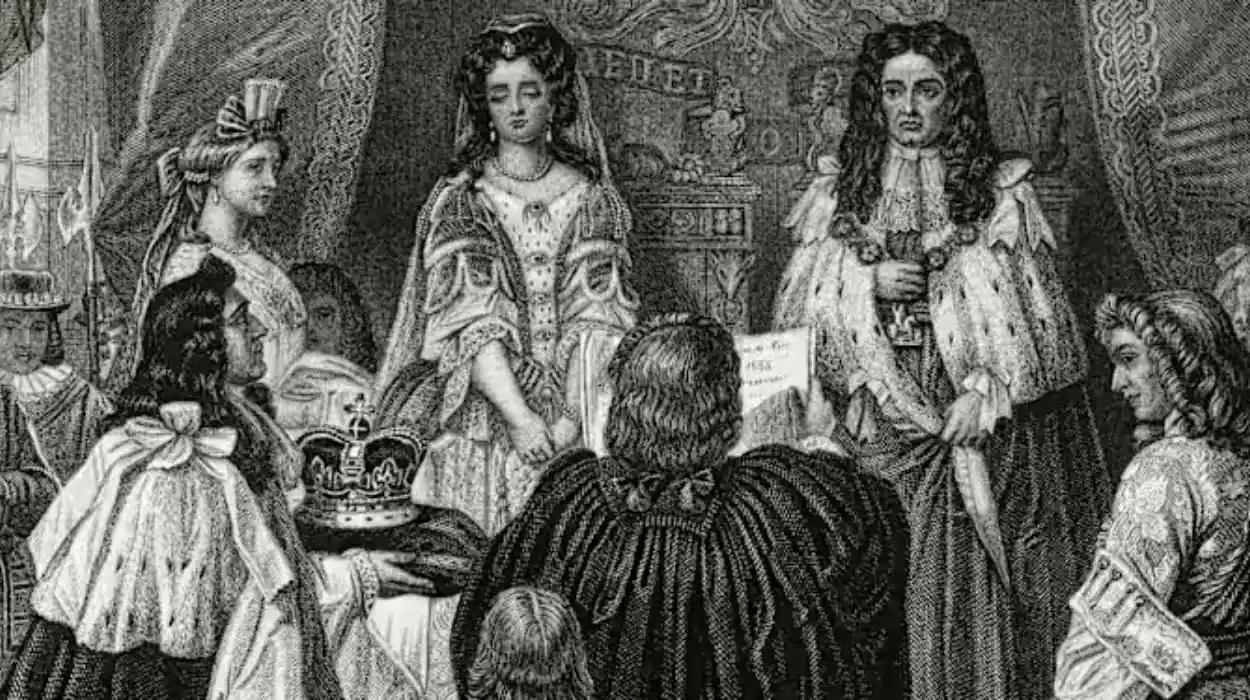
Legally focused, the Bill of Rights 1689 is one of the most significant pieces of writing in English history. It contributed to the idea of constitutional monarchy and declared restrictions to the monarch’s authority. Many people are thinking, has the Bill of Rights 1689 been revoked, or is it still legal?
There is not always a simple answer to these questions, but they still have relevance in British law today.
The Bill of Rights 1689: A Brief Overview
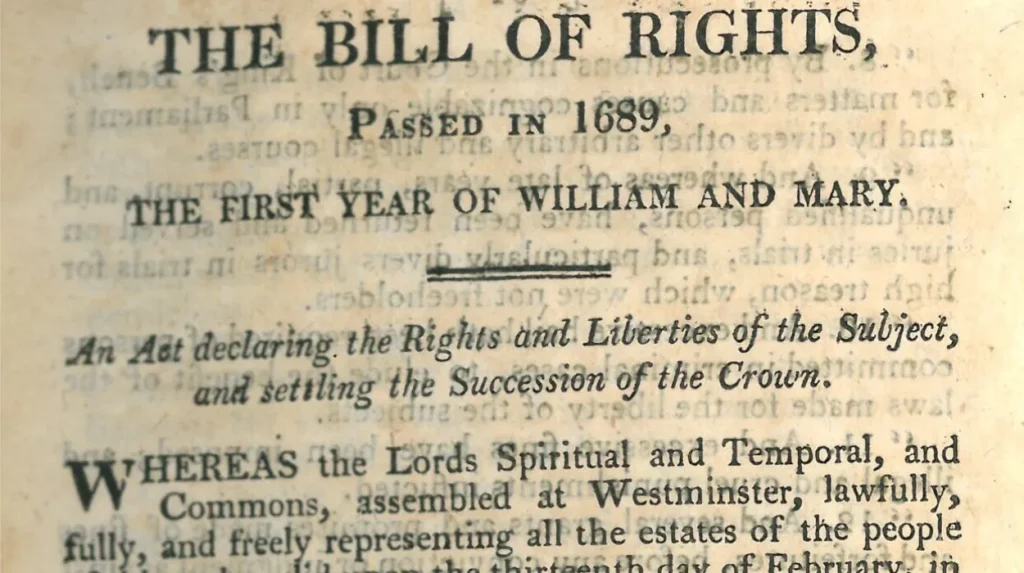
The Bill of Rights 1689 was passed as a result of the Glorious Revolution. It made it explicit that a monarchy cannot rule without the consent of Parliament.
It also provided the protection of certain legal rights, e.g., freedom of speech in Parliament and protection against cruel punishments. This law formed the foundations for modern democracy in Britain.
Historical Legacy and Modern Law
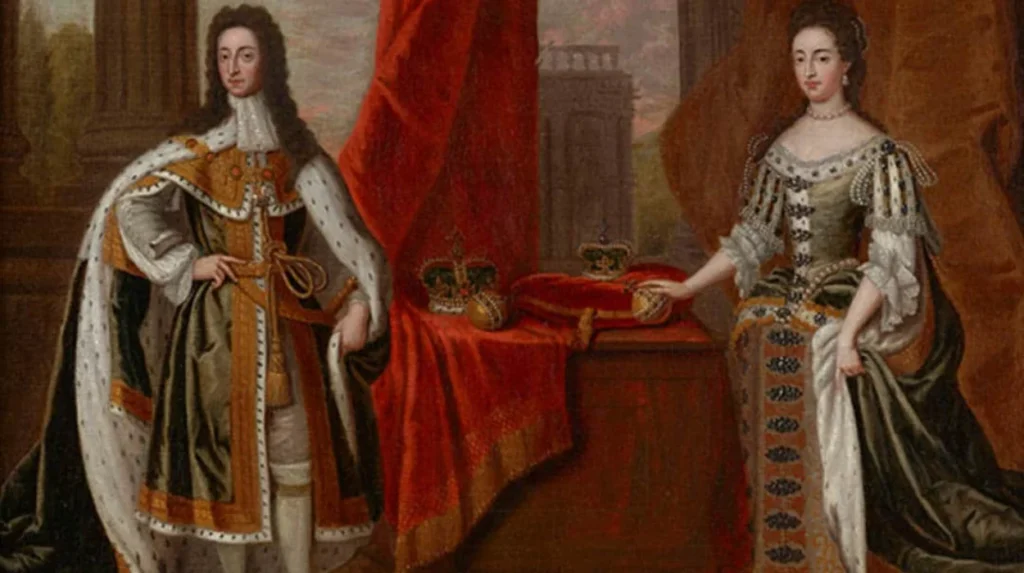
The Bill of Rights 1689 has power that goes far beyond legal authority. It reminds people of the migration from absolute monarchy to parliamentary democracy.
Its ideas are still part of the syllabus in our schools, they are still debated in our politics, and they still resonate in our laws, making it both a historical and legal power still alive today.
Bill of Rights 1689 is Still in Force
The Bill of Rights 1689 has never been repealed and remains a constitutional statute in the United Kingdom. It may be centuries old, and in terms of government, it does affect some of the things we do as a Parliament.
Courts will still occasionally refer to it in cases that are based on constitutional issues, which indicates it has power. The rules regarding parliamentary privileges and limits on royal influence still exist. It is a legal and historical law.
A Living Document of Democracy
The Bill of Rights 1689 is more than a historical document; it is a living document. Because it was the precursor to parliamentary democracy, and a number of the protections that originated before 1791 are still currently applicable.
Freedom of speech in Parliament, fair justice, and limits to excessive punishment are just a few examples that remain alive. Not only are these traditions recognized in contemporary politics and law, they continue to be a check on democratic ideas.
Is the Bill of Rights 1689 revoked?
No, the Bill of Rights 1689 has not been revoked. The Bill of Rights 1689 forms part of the law of the United Kingdom. It is over 300 years old; parts of it still have legal force.
Some clauses are rarely enforced in modern court cases, but the document has never been repealed. It’s just among the laws that form Britain’s “constitutional statutes.”
Many newer laws have been made since 1689, but the Bill of Rights is still referred to in some cases, and the courts reference the Bill when they are considering a constitutional matter. This shows it hasn’t been repealed and is still embraced in some legal arguments.
Why the Bill of Rights 1689 is still important
One of the main elements of the Bill of Rights is the rule of free speech in Parliament. This rule is active law today and preserves parliamentary democracy.
The bill limited the powers of the monarch, preventing the monarch from suspending laws and imposing taxes without the consent of parliament. This rationale continues to inform British politics, showing the law remains relevant and pivotal.
Is the Bill of Rights 1689 active law today?
Yes, the Bill of Rights 1689 is active law, but not in the same fashion as modern laws. It acts as a constitutional statute and cannot be easily repealed. Parliament is indeed sovereign, but to revoke such a historic document would be extremely rare.
The bill is still mentioned in cases of law. For example, the right to fair trials and the prohibition of excessive fines are important principles to adhere to. These principles reinforce the fact that the Bill of Rights 1689 is presently not revoked but remains active in a legal and symbolic sense.
How Courts Use the Bill of Rights 1689
Courts in the UK refer to the Bill of Rights in their written judgments. For example, the protection of parliamentary privilege refers back to the Bill of Rights 1689.
If courts do not use the Bill of Rights in everyday life, it is the foundation that underpins the relationship between Parliament, the Crown, and the people. This outlines the Bill of Rights 1689, which plays the part of what is a living portion of the legal framework and not as a revoked document.
Comparison with Other Constitutional Statutes
The Bill of Rights 1689 is a document that has sacred and living connotations, just like the Magna Carta of 1215, which remains important today. Neither has been revoked fully; those both remain foundation stones of British freedom.
Today, a new document is becoming more important, the Human Rights Act 1998, and directs the way the law will protect rights. The Bill of Rights 1689 has not been revoked. The Bill of Rights 1689 and the HRA sit together, showing that the older law is still legally active.
Why Some People Think It Might Be Revoked
Some people say that the Bill of Rights 1689 uses old-fashioned language and appears dated. Because of this, they believe it has been revoked. Only some sections of the bill have applied to modern cases. They are no longer useful. But it has never been revoked as a matter of law.
Is the Bill of Rights 1689 Relevant?
Yes, it is relevant. It has been superseded by some newer legislation; the Bill of Rights remains part of the backbone of the UK constitution.
It remains legally active, and it has not been revoked. Furthermore, the bill’s core principles underlying the document—limiting power and protecting rights—still inform modern-day democracy.
Bill of Rights 1689 Still Active
Is the Bill of Rights 1689 revoked or otherwise legally active? The answer is clearly not revoked. It remains legally active in the UK as a constitutional statute. However, some provisions may feel outdated or incomplete, but its core principles remain neglectful.
The Bill of Rights 1689 is still relevant in terms of the dynamics between the Crown and Parliament. It guarantees the freedoms held by Parliament, it guarantees trials, and it affects human rights. It is over 300 years old but persists as a living document rather than an obsolete document that has been repealed.
The Bill of Rights 1689 promotes the idea that laws from the past are still speaking to contemporary democracy. It is a historical documentation of significance, as well as a situationally legal and active document encapsulated in the United Kingdom’s constitution.
