

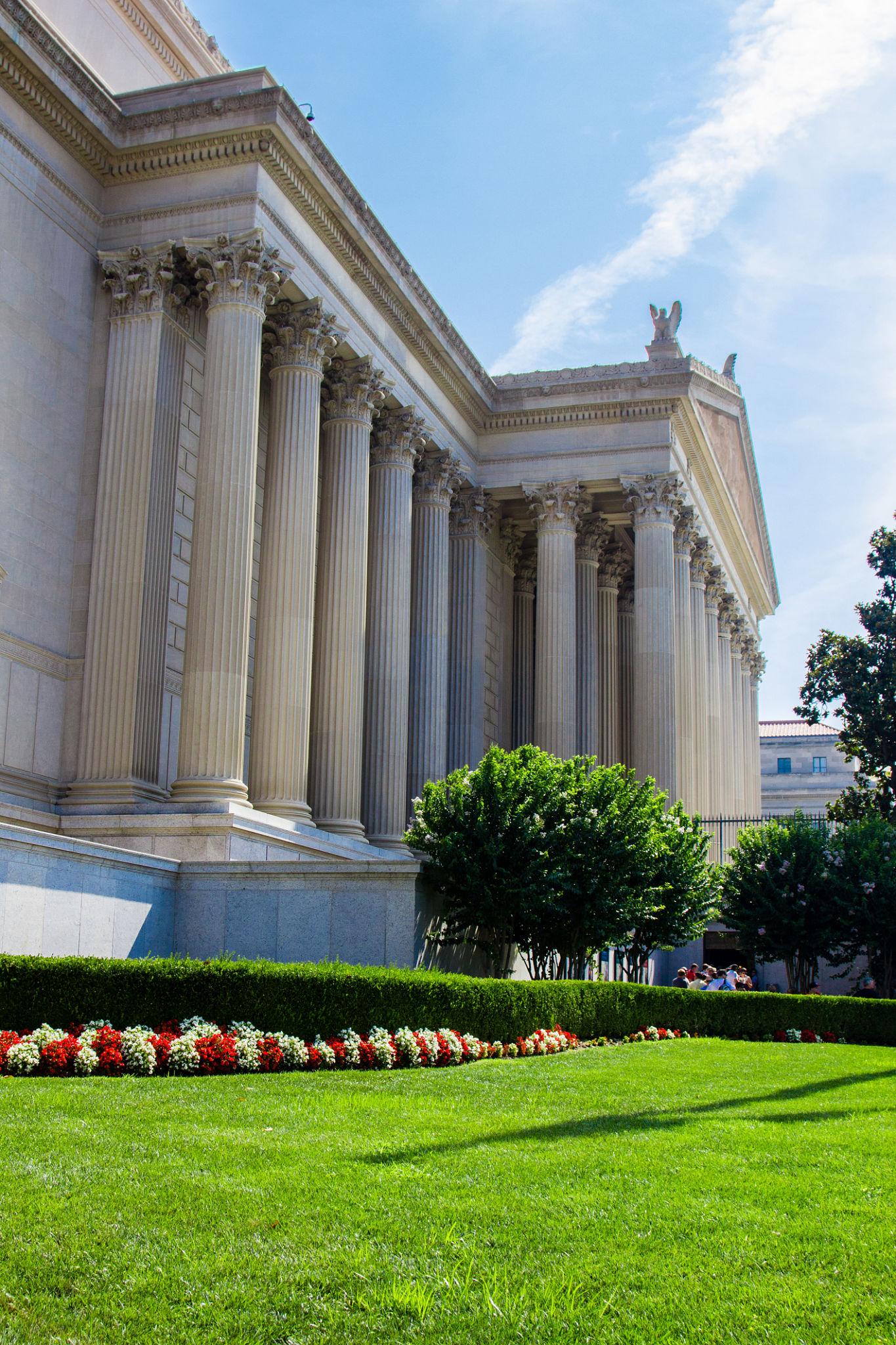
WASHINGTON, February 18, 2026 — According to Parliament News, that A sweeping immigration policy dispute is unfolding in federal court, drawing national attention as judges, lawmakers, and state officials confront fundamental questions about enforcement authority and constitutional boundaries. The case, centered in Washington in 2026, has quickly become one of the most closely watched legal battles of the year. At stake is not only the legality of certain state driven enforcement initiatives, but also the broader interpretation of federal supremacy in immigration governance.
The courtroom proceedings have intensified public debate over who ultimately controls immigration enforcement policy in the United States. While federal statutes clearly assign primary responsibility to national authorities, states often participate in cooperative frameworks. When those frameworks expand or shift, legal friction can follow. That friction has now crystallized into a high profile immigration policy dispute that could influence legal precedent for years to come.
Federal Authority and State Enforcement Tensions
Immigration law in the United States has long been rooted in federal authority. Congress establishes statutory frameworks, and federal agencies administer border control, visa issuance, removal proceedings, and asylum adjudication. States typically play supporting roles, providing logistical cooperation or sharing information with federal agencies.
The current immigration policy dispute emerged when state officials sought to expand their enforcement participation in ways critics argue may extend beyond cooperative boundaries. Plaintiffs in the case contend that certain measures intrude upon powers reserved exclusively for federal agencies. Supporters counter that states face direct impacts from immigration flows and should retain flexibility to respond within constitutional limits.
Legal analysts describe the situation as a test of federal preemption doctrine, a principle holding that federal law supersedes conflicting state laws in areas where Congress has asserted authority. Courts must determine whether the contested actions represent permissible cooperation or unconstitutional encroachment.
Courtroom Arguments and Judicial Review
Inside the courtroom, attorneys have presented detailed arguments concerning statutory interpretation and constitutional safeguards. Plaintiffs argue that expanded detention procedures and enforcement directives could undermine due process protections guaranteed under federal law. They emphasize the importance of uniform standards to prevent inconsistent application across states.
Defense attorneys assert that the contested measures remain aligned with federal objectives and enhance public safety without contradicting national statutes. They argue that cooperative enforcement has long been recognized as lawful when conducted within clearly defined parameters.
The presiding judge has asked pointed questions about the scope of authority, the practical impact on affected communities, and the historical precedents guiding federal state collaboration. While no ruling has been issued, legal observers suggest that any decision will likely be appealed, potentially sending the immigration policy dispute to higher federal courts.
Political Divisions Shape the National Narrative
Beyond the legal arguments, the immigration policy dispute has intensified political divisions in Washington. Lawmakers aligned with stronger enforcement priorities frame the case as essential to border security and national integrity. Others argue that aggressive state initiatives risk eroding civil liberties and fragmenting immigration governance.
Congressional leaders have called for legislative clarification, noting that ambiguous statutory language can generate recurring conflicts. However, achieving bipartisan agreement on immigration reform has historically proven difficult. In 2026, political polarization remains pronounced, further complicating efforts to resolve policy disagreements through legislation rather than litigation.
The debate has extended into campaign rhetoric, public forums, and policy roundtables. Advocacy groups on both sides have mobilized supporters, emphasizing either constitutional restraint or enforcement urgency.
Community Impact and Public Reaction
Communities directly affected by enforcement changes are closely monitoring the immigration policy dispute. Local leaders express mixed reactions. Some municipal officials believe stronger coordination with federal authorities enhances public safety and administrative clarity. Others worry that expanded enforcement may discourage cooperation with local law enforcement or social services.
Advocacy organizations argue that heightened enforcement measures can create fear among immigrant populations, potentially reducing crime reporting or civic engagement. Supporters of the contested policies maintain that consistent enforcement strengthens legal compliance and deters unlawful activity.
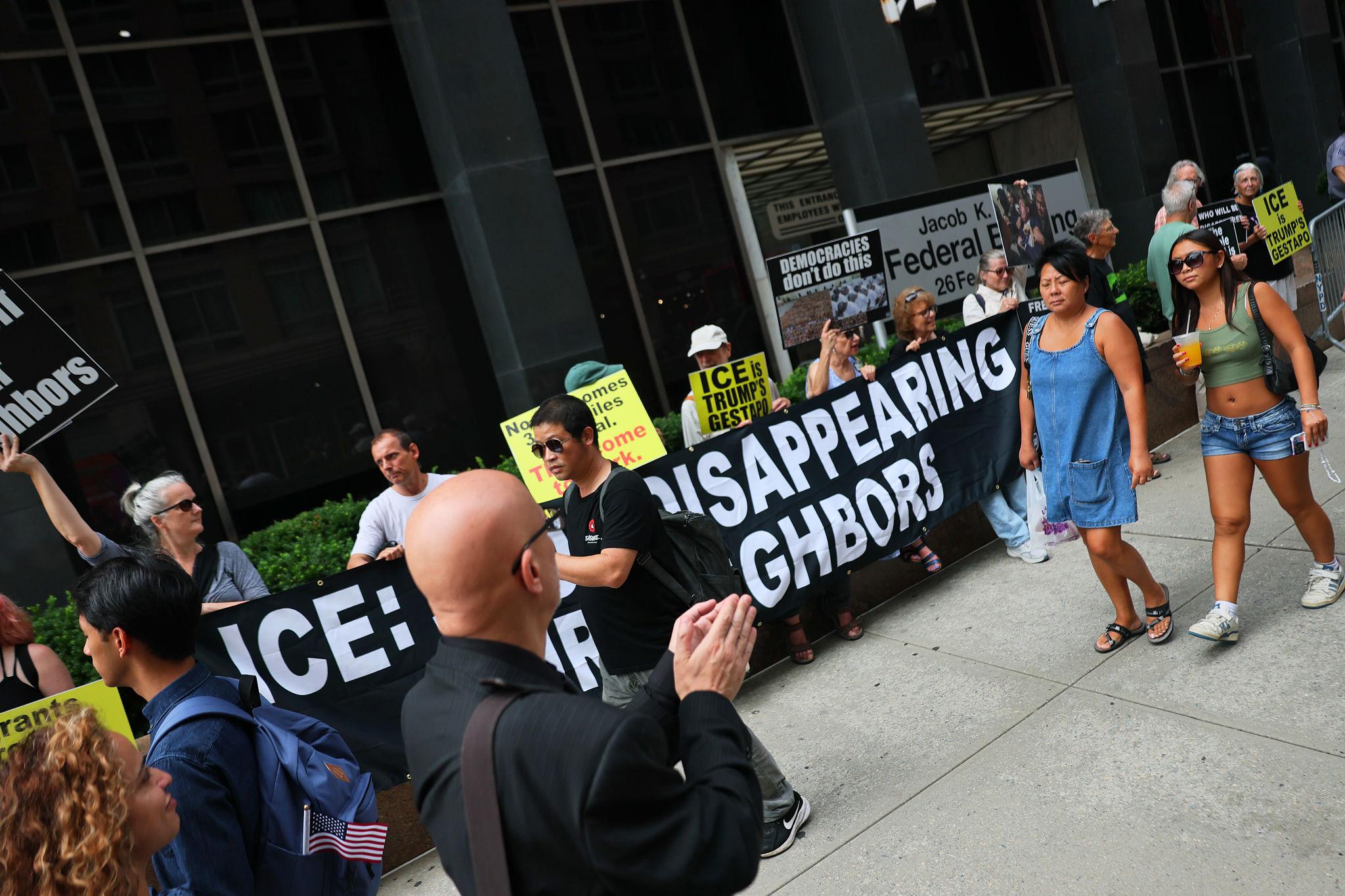
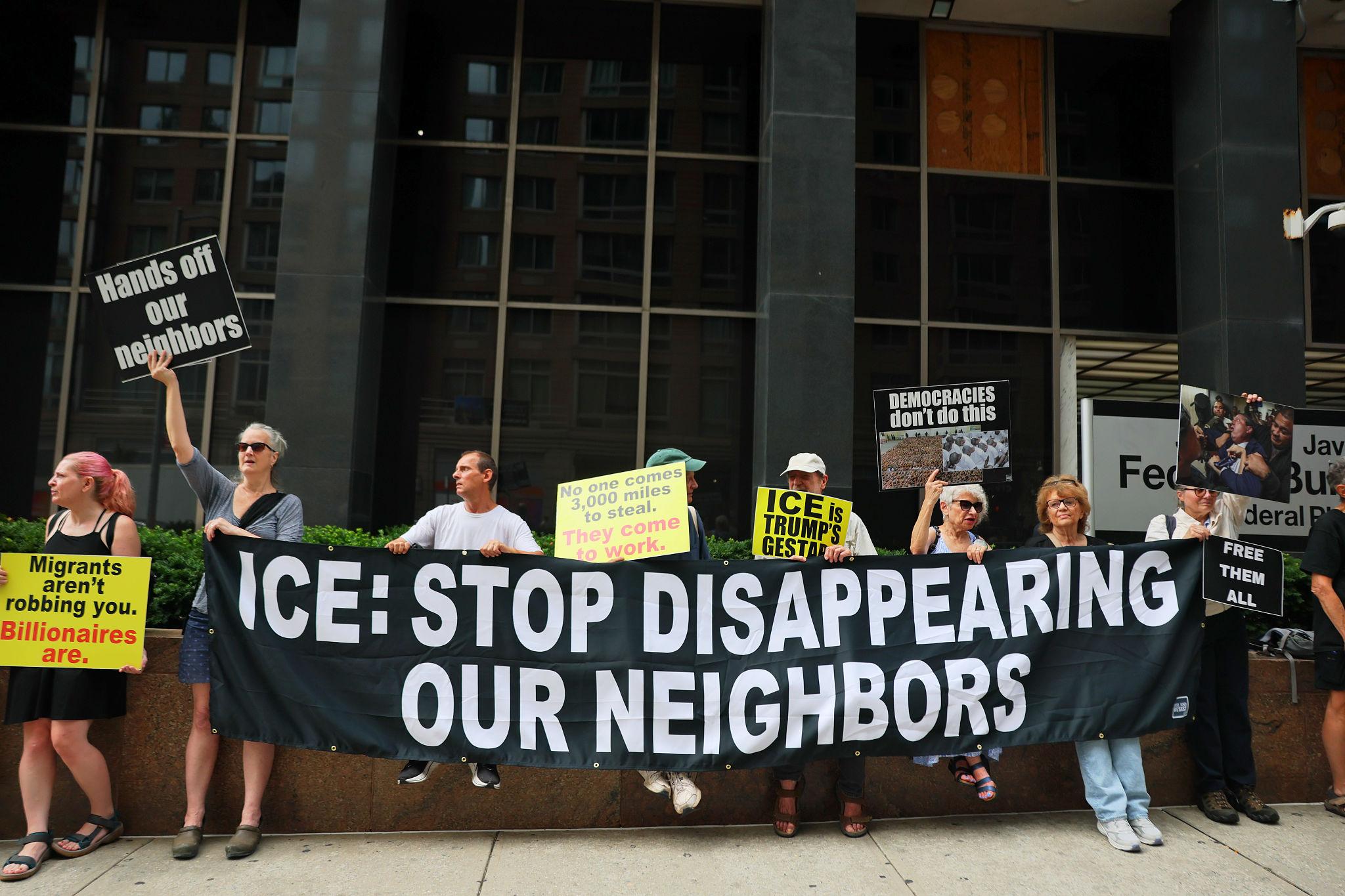
Public demonstrations outside the courthouse reflect these divergent perspectives. Citizens, business owners, and community advocates have gathered to voice support or opposition, underscoring how immigration policy intersects with daily life.
Economic Considerations in 2026
Immigration policy carries significant economic implications. Industries such as agriculture, hospitality, healthcare, and technology depend on immigrant labor. Sudden enforcement shifts can affect workforce availability, productivity, and business planning.
Economists note that immigration patterns influence local housing markets, consumer spending, and tax revenues. Although the immigration policy dispute centers primarily on legal authority, its resolution could indirectly shape economic stability in affected regions.
Business leaders have urged policymakers to provide clear guidance and predictable frameworks. Uncertainty, they argue, complicates hiring decisions and long term investment strategies.
International Dimensions of the Debate
Immigration governance does not exist in isolation. Diplomatic relationships and international agreements shape border management strategies and asylum protocols. While the present immigration policy dispute focuses on domestic authority, its outcome could influence how the United States negotiates with partner nations regarding migration flows.
Foreign governments monitor U.S. enforcement trends closely, particularly when policy shifts affect visa processing, refugee admissions, or deportation cooperation agreements. Any major judicial ruling may prompt diplomatic discussions aimed at maintaining stable bilateral arrangements.
Technology and Enforcement Modernization
Advancements in surveillance, biometric identification, and data sharing have transformed immigration enforcement capabilities. Supporters of expanded state involvement argue that technological integration allows for more efficient coordination between agencies.
Critics caution that increased data sharing must remain consistent with privacy protections and constitutional safeguards. Courts evaluating the immigration policy dispute may consider how technological systems intersect with due process requirements.
As enforcement tools evolve, legal frameworks must adapt to ensure compliance with established rights and responsibilities.
Historic Comparison
Throughout American history, periods of intensified immigration enforcement have generated legal challenges testing federal authority. In earlier decades, courts confronted disputes over state attempts to regulate immigration independently. Those rulings consistently reaffirmed federal supremacy while permitting structured cooperation under defined parameters.
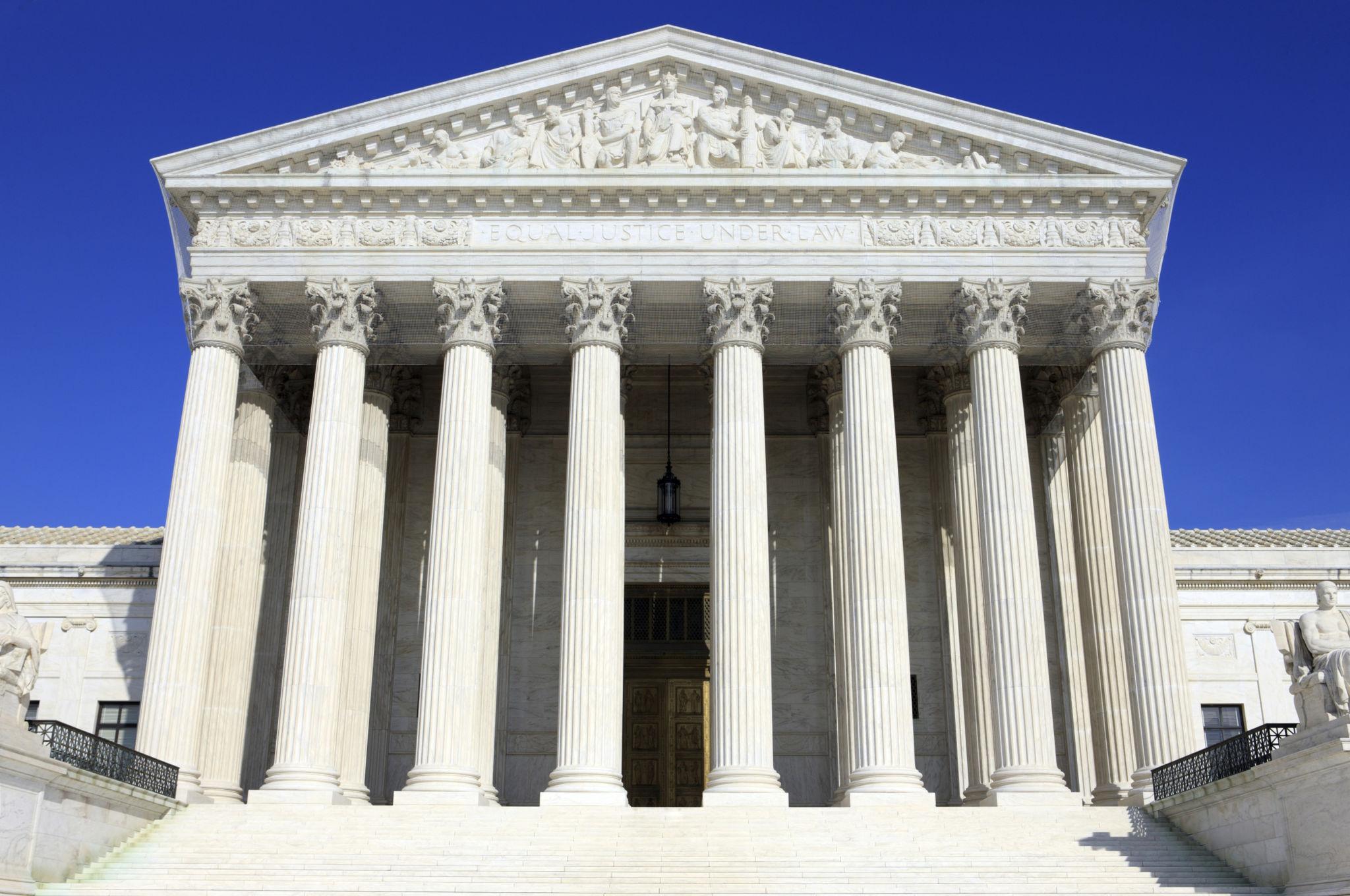
The current immigration policy dispute echoes those historical tensions. Past Supreme Court decisions clarified that immigration regulation remains a uniquely federal domain. Yet they also recognized that states may assist federal authorities under certain conditions. Comparing present litigation to previous landmark cases underscores how enduring these constitutional questions remain.
While circumstances differ, the underlying principle of federal preemption continues to guide judicial reasoning. Historical precedent may ultimately influence how courts resolve today’s controversy.
One Defining Quote
A constitutional law expert observing the proceedings remarked,
“This immigration policy dispute represents more than a disagreement over enforcement tactics; it is a constitutional crossroads that will shape federalism in the United States for the next generation.”
That assessment captures the gravity of the case and its potential long term consequences.
Legislative Efforts and Reform Proposals
Some members of Congress view the immigration policy dispute as evidence that statutory clarity is urgently needed. Proposals range from comprehensive immigration reform to targeted amendments specifying state participation limits.
However, legislative compromise remains elusive. Lawmakers disagree not only on enforcement scope but also on broader immigration priorities such as asylum reform, visa modernization, and border infrastructure funding.
Until Congress enacts clearer guidelines, courts will likely continue resolving disputes case by case.
Media Coverage and Public Discourse
National and regional media outlets have devoted extensive coverage to the immigration policy dispute. Analysts dissect courtroom exchanges, political statements, and community responses. Public opinion surveys reveal divided perspectives reflecting ideological differences.
Some citizens emphasize national sovereignty and enforcement consistency. Others stress humanitarian considerations and civil liberties protections. The intensity of debate underscores immigration’s enduring role as a central issue in American political life.
Potential Judicial Outcomes
Legal experts outline several potential outcomes. The court could uphold the contested measures, affirming broader cooperative authority. Alternatively, it could impose limits reinforcing federal exclusivity in certain enforcement domains. A temporary injunction remains another possibility, suspending actions pending further review.
Regardless of the initial ruling, appeals are widely anticipated. Higher courts may ultimately deliver definitive guidance clarifying constitutional boundaries.
Broader Implications for Federalism
At its core, the immigration policy dispute tests the structure of American federalism. The Constitution establishes a balance between national authority and state sovereignty. Immigration regulation traditionally resides at the national level, yet practical realities encourage collaboration with states.
Determining where cooperation ends and overreach begins is a complex task requiring careful judicial analysis. The outcome may influence not only immigration governance but also future disputes involving federal state authority in other policy areas.
Social and Cultural Dimensions
Immigration debates often extend beyond law and economics into questions of identity, culture, and national values. Communities experiencing demographic shifts may perceive enforcement changes differently than those with long established immigrant populations.
The immigration policy dispute reflects these broader cultural conversations. Supporters and critics alike frame their arguments within narratives about fairness, opportunity, security, and constitutional fidelity.
Understanding these perspectives is essential for evaluating the full scope of the controversy.
The Role of Advocacy Organizations
Civil rights groups, business coalitions, and enforcement advocacy organizations have all intervened publicly in the immigration policy dispute. Amicus briefs submitted to the court outline concerns ranging from constitutional rights to economic impacts.
These organizations seek to influence judicial interpretation by presenting data, historical analysis, and policy arguments. Their participation demonstrates how immigration enforcement litigation often becomes a focal point for diverse stakeholders.
Public Safety Considerations
Proponents of expanded enforcement emphasize public safety benefits. They argue that clearer authority and enhanced coordination reduce administrative confusion and strengthen compliance with immigration laws.
Opponents caution that overly aggressive measures may inadvertently erode trust between immigrant communities and law enforcement agencies. Balancing safety objectives with constitutional protections remains a central challenge in the immigration policy dispute.
The Road Ahead in Washington 2026
As proceedings continue, the immigration policy dispute remains a defining legal battle of 2026. Judges must interpret statutes enacted by Congress while respecting constitutional safeguards. Lawmakers may respond with legislative proposals, and advocacy groups will likely continue mobilizing public opinion.
The case highlights the enduring complexity of immigration governance in a federal system. Whether the court ultimately narrows or expands state participation, its ruling will reverberate nationally.
For now, Washington stands at a pivotal moment. The immigration policy dispute underscores how deeply immigration policy intersects with constitutional law, economic stability, political identity, and the structure of American governance itself.
A Defining Chapter in Modern Constitutional Law
The resolution of this immigration policy dispute may mark a significant chapter in the evolving interpretation of federal authority. Courts are tasked with reconciling historical precedent, statutory language, and contemporary realities.
As the nation watches closely, the case symbolizes broader questions about how democratic institutions adapt to changing social conditions. The immigration policy dispute has become more than a legal contest; it is a reflection of ongoing efforts to define the boundaries of power and responsibility in the United States.
In 2026, the decision will not simply settle a procedural disagreement. It will help shape the framework through which future immigration challenges are addressed, ensuring that constitutional principles remain central to policy evolution.