
Washington, D.C., February 16, 2026 – Parliament News — Federal authorities and election officials across the United States are reinforcing digital defenses as cyberattacks increase ahead of the 2026 national elections. Security agencies confirm heightened network probing, expanded phishing campaigns, and coordinated digital interference attempts targeting political organizations and public systems. Officials emphasize that while cyberattacks are growing in sophistication, multilayered safeguards are in place to protect democratic infrastructure.
Washington, D.C., as the center of federal coordination, plays a critical role in overseeing election security standards nationwide. Agencies responsible for infrastructure protection have entered an elevated readiness posture, focusing on threat detection, incident response, and rapid communication between federal and state partners.
Election Season Drives Elevated Digital Threat Activity
Election cycles consistently correspond with increased digital risk. Political campaigns depend heavily on interconnected platforms including cloud storage, email communication systems, donor databases, and voter outreach applications. As reliance on technology expands, opportunities for cyberattacks multiply.
Federal cybersecurity analysts note that politically charged environments create incentives for malicious actors seeking to disrupt public confidence. Threat actors often attempt credential theft through targeted phishing schemes. Once access is obtained, attackers may attempt to exfiltrate sensitive communications or manipulate internal systems.
Authorities stress that most cyberattacks during election cycles focus on disruption rather than direct vote manipulation. Interference with communication channels, website outages, or misinformation distribution can generate confusion and erode public trust even without altering vote tabulation systems.
Federal Agencies Strengthen Coordinated Defense Frameworks
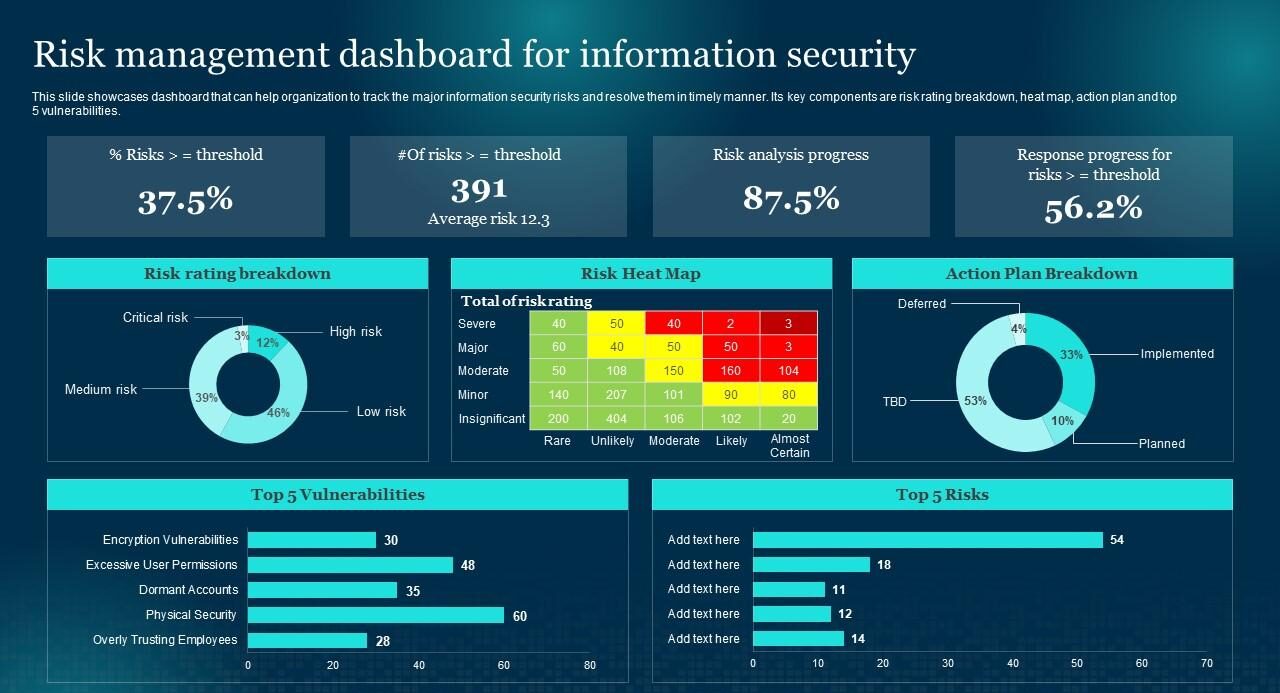
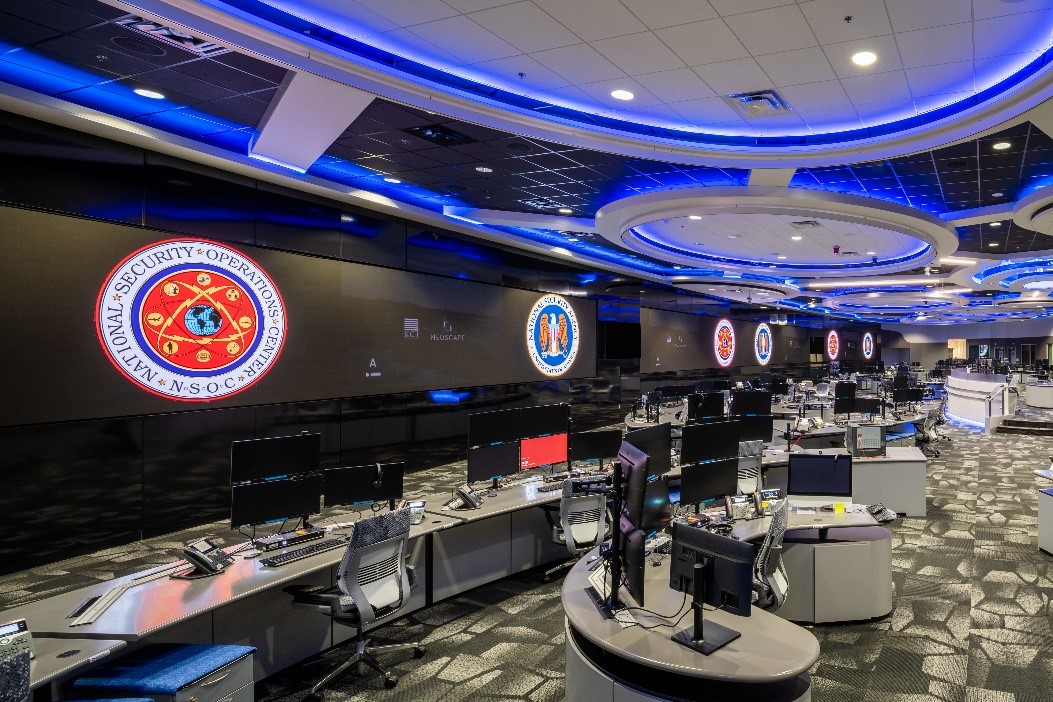
Washington based agencies including the Cybersecurity and Infrastructure Security Agency and the Federal Bureau of Investigation have expanded interagency cooperation. Continuous network monitoring systems scan for irregular traffic patterns that may indicate cyberattacks in progress.
Penetration testing exercises are conducted regularly to simulate real world threat scenarios. These exercises help identify vulnerabilities before they can be exploited. Advanced encryption protocols and multifactor authentication standards have been reinforced across federal systems.
A senior federal cybersecurity official stated, “Our preparation reflects lessons learned from past election cycles, and we are committed to staying ahead of evolving cyberattacks.” The statement highlights the balance between readiness and caution guiding national strategy.
Political Campaigns Confront Expanded Risk Exposure
Campaign organizations operating in Washington, D.C. have become prime targets for cyberattacks. Digital fundraising platforms, voter analytics databases, and internal communications tools represent valuable entry points for malicious actors.
Campaign managers report increased investments in cybersecurity audits and staff training. Employees are instructed to verify suspicious email requests, avoid unsecured networks, and maintain updated authentication credentials. Encrypted communication channels are now widely adopted for sensitive discussions.
Despite heightened safeguards, campaigns remain vulnerable due to the rapid pace of operational expansion during election season. Cybersecurity experts emphasize that proactive education and vigilance are essential to reduce risk.
Misinformation Campaigns Amplify Technical Threats
Beyond technical breaches, coordinated misinformation efforts have become intertwined with cyberattacks. Social media platforms can be exploited to amplify misleading narratives related to election procedures or candidate positions.
Technology companies have deployed artificial intelligence tools to detect abnormal patterns of coordinated activity. Federal agencies collaborate with digital platforms to identify and remove malicious networks designed to manipulate public perception.
Digital policy analysts warn that misinformation can spread faster than technical breaches. Even when cyberattacks do not compromise infrastructure directly, narrative manipulation can weaken institutional credibility.
Protecting Voter Registration Databases and Core Systems
Voter registration databases contain sensitive personal information, making them attractive targets for cyberattacks. Election authorities in Washington have implemented network segmentation to limit unauthorized access pathways.
Offline backups ensure operational continuity if digital systems experience disruption. Redundant storage facilities allow rapid restoration of data integrity. Independent cybersecurity assessments are conducted prior to election day to verify compliance with federal standards.
Officials confirm that no verified compromise of vote counting infrastructure has been identified. Safeguards designed to isolate tabulation systems from external networks remain active.
International Dimensions and Strategic Implications
Washington’s global diplomatic significance introduces additional complexity. Intelligence agencies monitor digital signals that may indicate coordinated foreign cyberattacks linked to geopolitical tensions.
International partnerships facilitate rapid intelligence sharing regarding emerging digital threats. Cross border collaboration strengthens detection capabilities and improves response times. Cybersecurity experts note that global coordination reduces the likelihood of prolonged disruption.
Foreign policy analysts observe that election related cyberattacks can influence diplomatic relationships and global confidence in democratic institutions.
Historical Evolution of Election Cybersecurity
Over the past two decades, election security has evolved in response to increasingly complex cyberattacks. Early incidents often involved website defacement or isolated system intrusions. As digital ecosystems expanded, attackers shifted toward more sophisticated strategies including data exfiltration and coordinated influence campaigns.
Federal agencies responded by establishing centralized cybersecurity frameworks and standardized incident reporting protocols. Investments in advanced monitoring technologies accelerated following previous election cycles.
Historical experience has shaped current preparedness strategies. Continuous adaptation remains essential as technology evolves and threat actors refine tactics.
Economic Considerations and Institutional Stability
Cyberattacks during election cycles carry economic implications. Financial institutions in Washington have enhanced cybersecurity monitoring to prevent market disruptions linked to politically sensitive events.
Insurance providers report increased interest in cyber risk coverage among political organizations and technology vendors. Corporate governance boards increasingly evaluate cybersecurity readiness as part of overall risk management frameworks.
Economic analysts caution that public perception of digital instability can influence investor sentiment. Transparent communication from authorities aims to mitigate unnecessary volatility.
Civic Responsibility and Digital Awareness
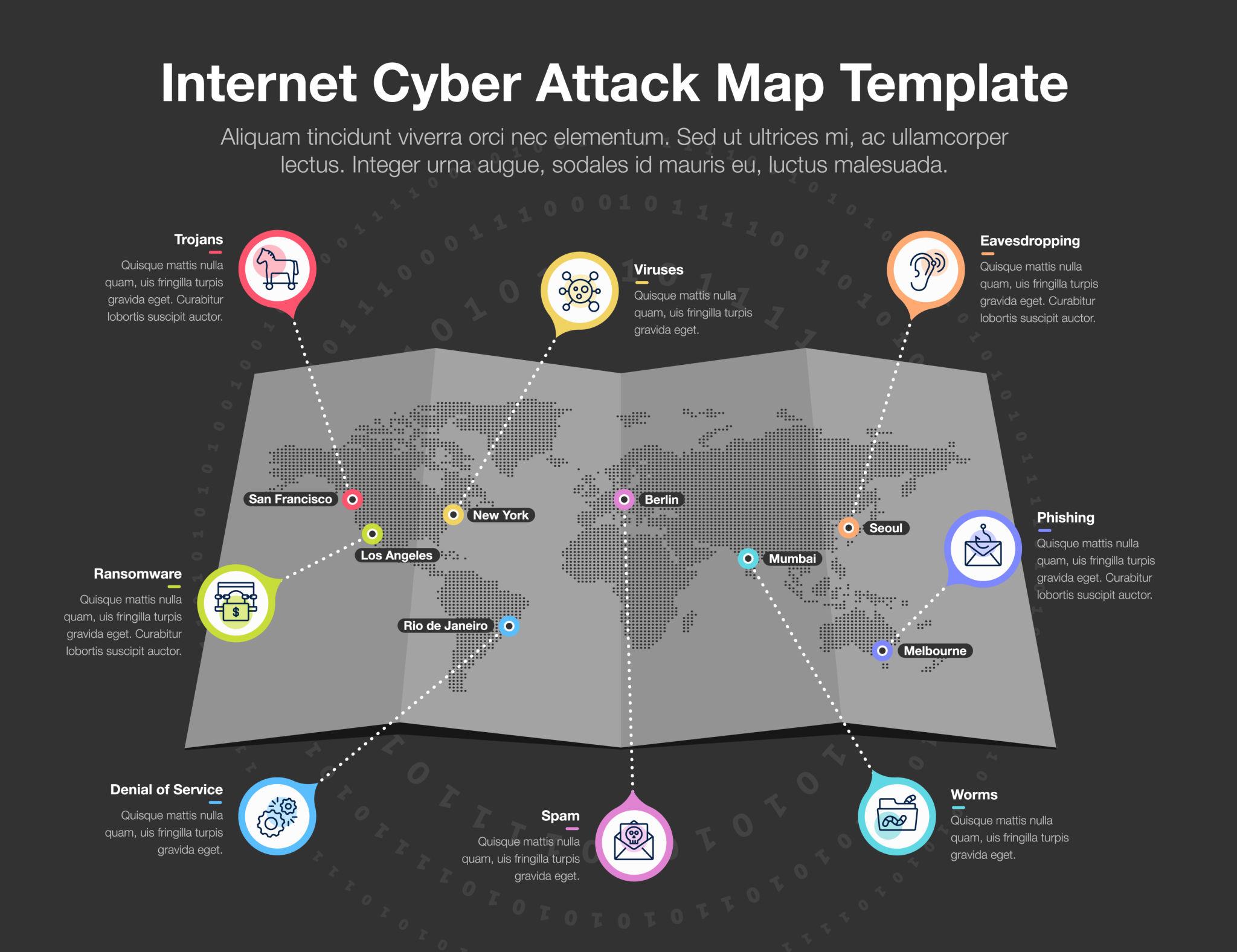
Public participation plays a significant role in mitigating cyberattacks. Citizens are encouraged to verify election related information through official government channels. Educational campaigns promote awareness of phishing attempts and deceptive online content.
Community organizations in Washington have launched digital literacy initiatives to help voters identify suspicious links and false narratives. Officials emphasize that individual vigilance complements institutional safeguards.
Maintaining informed civic engagement strengthens democratic resilience during periods of elevated digital threat.
Policy Outlook Beyond 2026
Lawmakers are evaluating proposals to modernize election technology standards nationwide. Discussions include standardized disclosure requirements for cyberattacks affecting political entities and expanded funding for cybersecurity research.
Universities and private research institutions in the Washington region contribute to innovation in encryption and anomaly detection technologies. Policymakers anticipate that lessons from 2026 will inform future legislative initiatives.
Long term investment in cybersecurity infrastructure remains central to preserving public trust in democratic processes.
Democracy at a Digital Crossroads
As election day approaches, Washington stands at the intersection of technology and governance. The persistence of cyberattacks underscores the evolving challenges facing modern democracies.
Officials maintain confidence in layered defense systems and interagency coordination. Vigilance, transparency, and collaboration remain foundational pillars of national strategy.
The 2026 election cycle represents a defining test of digital resilience. The ability to withstand cyberattacks while maintaining public confidence may influence global standards for election security in the years ahead.