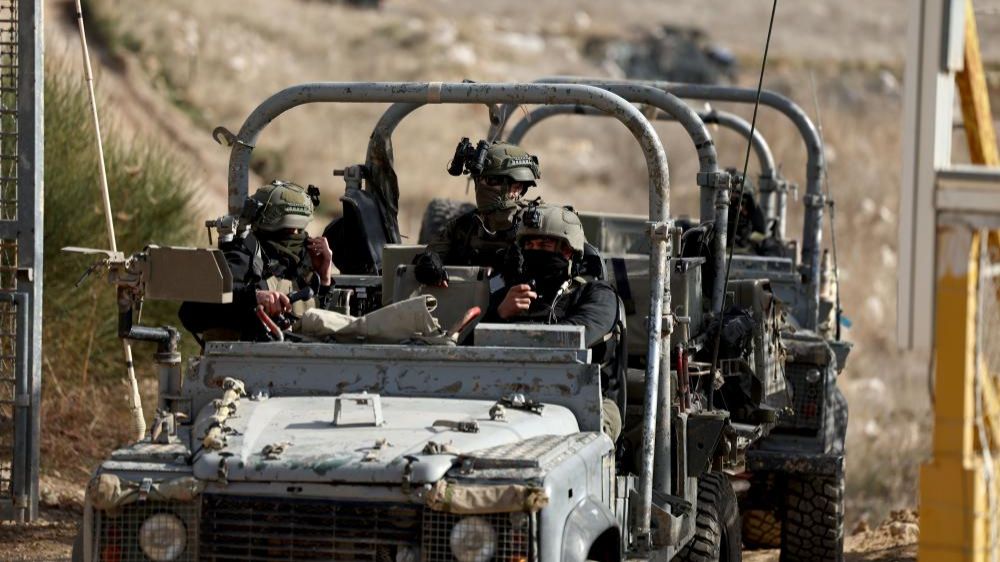
Israel sends additional troops to the northern frontier as Israel Lebanon border tensions increase in 2026.
Military officials say the reinforcements are defensive and aimed at protecting communities near the Lebanon border.
Regional observers warn that rising Israel Lebanon border tensions could impact wider Middle East stability.
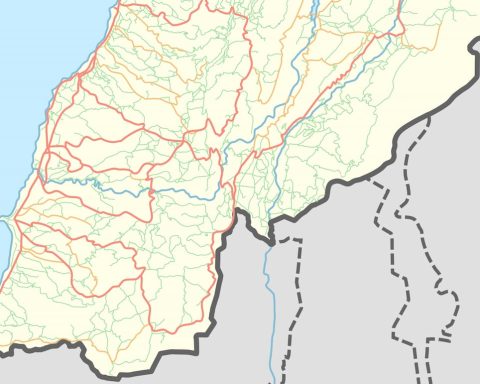
Northern Israel — March 11, 2026 — Parliament Politics Magazine — Israel Lebanon border tensions are drawing international attention after the Israeli military confirmed that additional forces are being deployed to the northern sector bordering Lebanon. The reinforcement decision follows security assessments indicating heightened risks along the frontier.
According to Israeli defense officials, the move is designed to strengthen monitoring operations and ensure that troops are prepared to respond rapidly if the situation changes. Infantry units, armored vehicles, and advanced surveillance systems have been moved closer to the border region.
Military analysts say that deployments of this kind are often precautionary measures meant to deter potential threats. The rugged terrain along the Israel Lebanon frontier requires continuous monitoring, and additional troops allow the military to maintain stronger defensive coverage across a wide area.
Local authorities in northern Israel said the security situation remains under control, though residents are advised to stay informed about developments as Israel Lebanon border tensions continue to evolve.
Security Concerns Driving Military Preparations
Israeli defense planners say the reinforcements reflect a broader strategy focused on protecting communities located near the frontier. Northern Israel includes numerous towns and agricultural communities that lie only a few miles from the border.
The Israeli Defense Forces regularly conduct security reviews to evaluate potential threats originating from across the frontier. When intelligence assessments suggest increased activity in nearby areas, the military may adjust troop deployments accordingly.
In recent days, Israel Lebanon border tensions have become a central topic in regional security discussions. Officials stress that the deployments are defensive and intended to prevent escalation rather than provoke confrontation.
The presence of additional troops also enables improved coordination between ground units, intelligence teams, and aerial monitoring systems.
Historical Comparison With Earlier Border Conflicts
The current developments are often viewed through the lens of past confrontations along the same frontier. The most significant escalation occurred during the 2006 Lebanon war, when fighting between Israeli forces and Hezbollah militants lasted more than a month and resulted in extensive damage on both sides of the border.
Since that conflict, international peacekeeping forces have helped monitor the region, while Israel has invested heavily in strengthening its defensive infrastructure in northern areas. Many security experts note that Israel Lebanon border tensions periodically rise but are often contained through deterrence and diplomatic communication.
The historical experience of previous conflicts has shaped Israel’s current security doctrine, emphasizing preparedness and rapid response capability.
Expert Assessment of the Current Situation
Security analysts say the deployment reflects a calculated attempt to maintain stability in a sensitive region rather than signal an imminent military operation.
A regional security expert explained the situation by saying,
“Military reinforcements along the frontier are meant to prevent escalation by demonstrating readiness and maintaining strong deterrence.”
The statement reflects the delicate balance that military leaders attempt to maintain as Israel Lebanon border tensions attract international attention.
Diplomatic observers note that developments along the border are being closely watched by global powers that have an interest in maintaining regional stability.
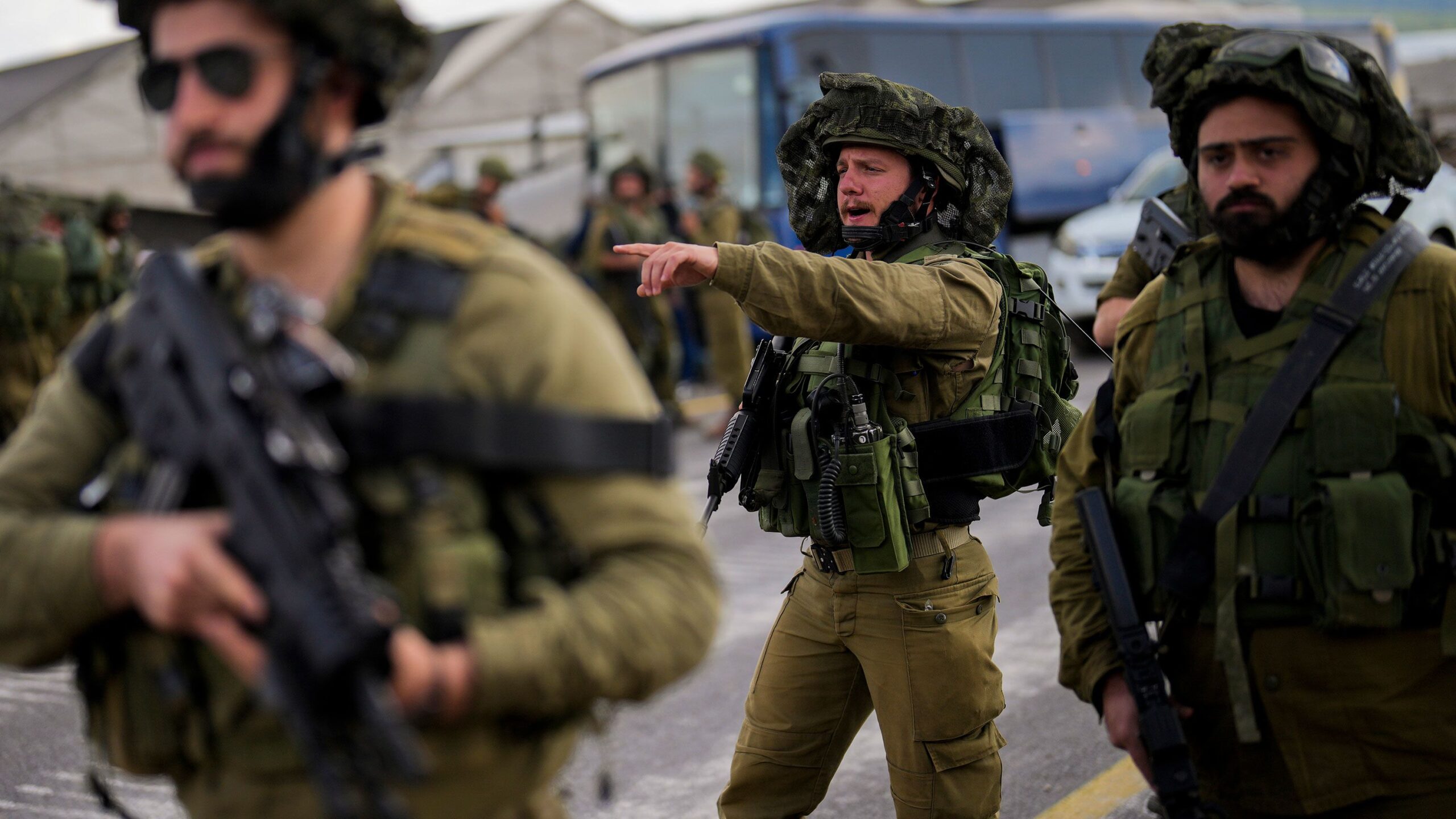
Northern Border Watch
In summary, Israel Lebanon border tensions have prompted Israeli authorities to reinforce their northern frontier as part of a precautionary security strategy. The deployment of additional troops and equipment reflects concerns about potential threats while also demonstrating the country’s commitment to protecting border communities.
Although military reinforcements can increase regional anxiety, officials emphasize that the goal remains deterrence and stability. Historical lessons from past conflicts continue to shape decision making as Israel works to maintain security along one of the Middle East’s most sensitive borders.