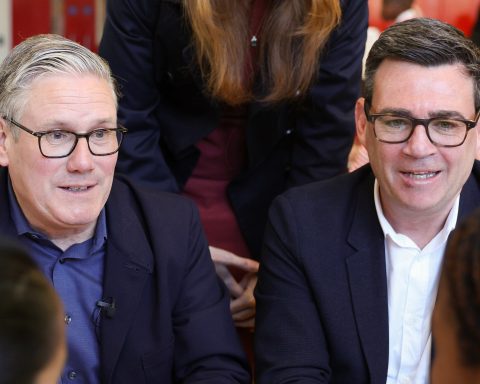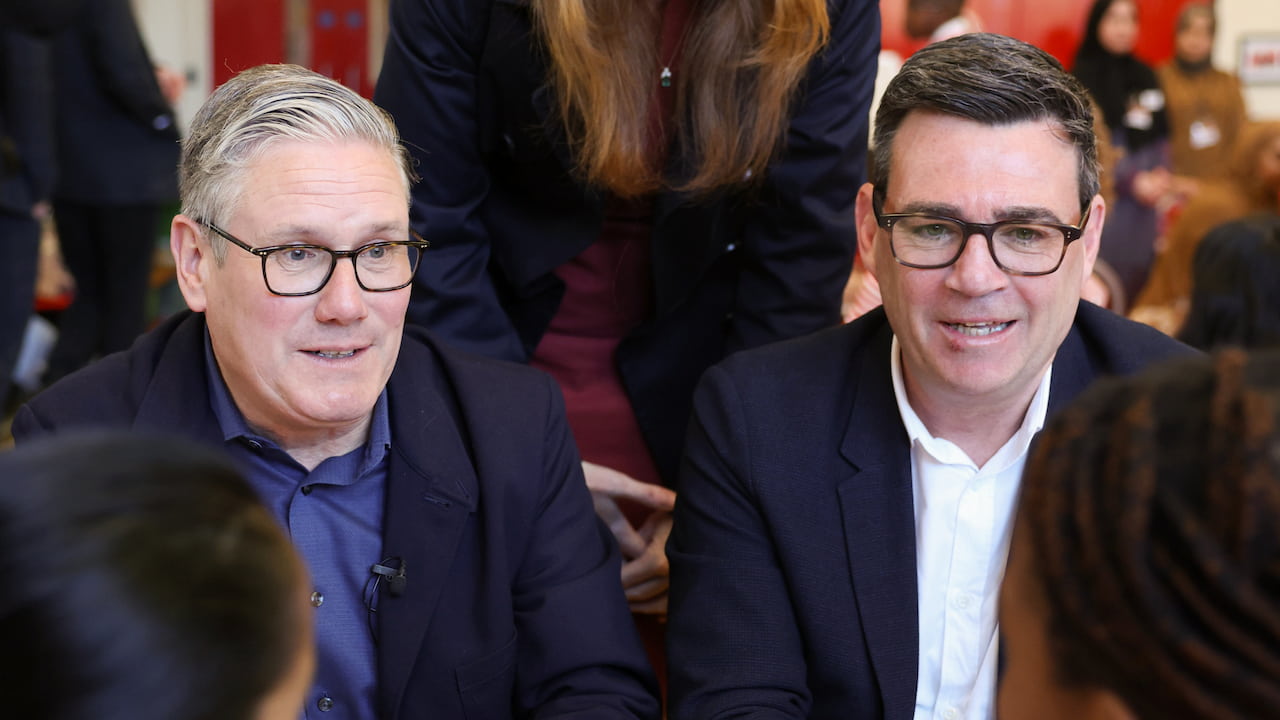
LONDON, June 22 (Parliament Politics Magazine) – Andy Burnham has emerged as the primary contender to become the next prime minister of the United Kingdom following the resignation of Keir Starmer on June 22, 2026.
After serving for nearly a decade as the mayor of Greater Manchester, Burnham recently returned to Parliament after securing a decisive victory in the Makerfield by-election.
His path to the premiership has accelerated rapidly since Starmer announced his departure on Monday. Burnham has spent years outside of the Westminster bubble, a period he used to cultivate his reputation as a regional leader who prioritizes local governance over central authority.
Consolidating the leadership bid
Burnham secured a significant advantage in the race to succeed Starmer after former health minister Wes Streeting announced he would not challenge him. Streeting’s decision to step aside has led to widespread speculation about a potential deal between the two, though Streeting denied any formal agreement regarding a future government role.
Following the announcement, Burnham met with more than 100 Labour lawmakers in parliament on Monday. While he refrained from addressing the media at that time, his ability to rally support from the parliamentary party has positioned him as the clear frontrunner.
Supporters within the party view his recent electoral success as evidence of his appeal to voters. Alex Sobel, a Labour member of parliament, stated:
“He has proven his credentials in putting forward a Labour vision voters can rally around.”
Building a regional brand
The former mayor gained national recognition during the COVID-19 pandemic, earning the nickname “King of the North” for his opposition to central government funding policies. His tenure in Manchester allowed him to distance himself from what he often described as London-centric politics.
His approach to governance favors an interventionist state that shifts power away from the capital. He has consistently argued that regional communities should hold greater control over essential services, including utilities and public transport.
During his time as mayor, his public clashes with former prime minister Boris Johnson over pandemic restrictions became defining moments. One particular instance, where he publicly rejected a financial offer for his region that he deemed insufficient, served to solidify his image as a politician willing to stand up to central government on behalf of his constituents.
Navigating a political past
Burnham’s career began in the era of former prime ministers Tony Blair and Gordon Brown, where he served in several roles including culture secretary and health secretary. Despite his long tenure in national politics, he has faced criticism regarding the consistency of his policy positions.
Critics often point to his shifting stances on major issues such as nationalization and Britain’s relationship with the European Union. While he has previously expressed support for the nationalization of key industries and rejoining the EU, he has moved toward the center in recent weeks.
He has cited the current constraints on the nation’s finances as a reason for his shift away from large-scale nationalization. Observers note that these policy adjustments are an attempt to align his platform with the economic realities he would face as prime minister.
The challenge of governance
If he secures the leadership, Burnham will inherit a political landscape defined by economic constraints and the presence of populist movements. Reform UK, led by Nigel Farage, has remained a consistent force in national polling, placing pressure on the Labour Party to refine its appeal to restless voters.
Labour lawmakers have noted that for Burnham to remain in power, he will need to distinguish his leadership style from that of his predecessor. The pressure to lead boldly remains a central theme in discussions among party members who are concerned about the electoral durability of the government.
The Labour National Executive Committee has set the opening of leadership nominations for July 9, 2026. If no other candidate emerges to challenge his bid, Burnham could be confirmed as the next prime minister by the middle of July. Should a rival contest the position, the process will extend until September 2026.