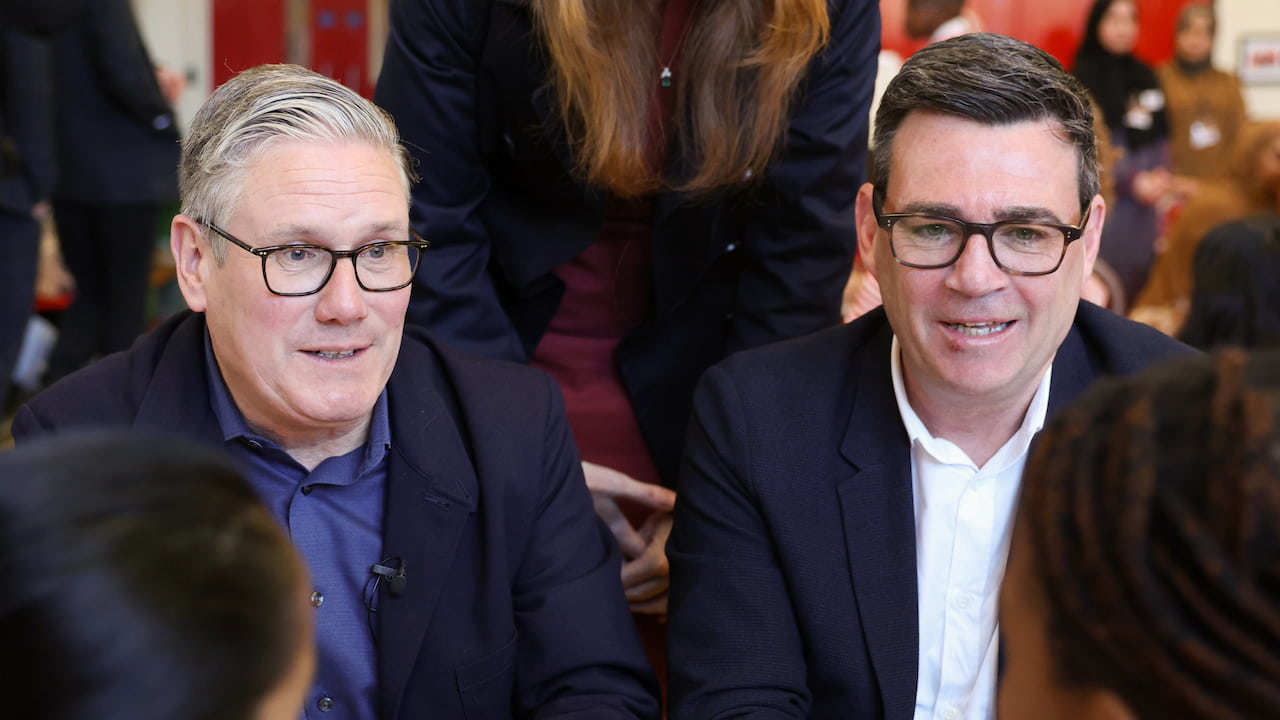
WIGAN, June 19 (Parliament Politics Magazine) – Greater Manchester mayor Andy Burnham cleared a path on Friday to ousting British Prime Minister Keir Starmer by decisively winning a parliamentary seat in northern England. The result in Makerfield, which saw Burnham capture 54.8% of the vote, is being described as a potential turning point for the Labour Party.
He defeated the candidate for Nigel Farage’s Reform UK party, who finished with 34.5% of the vote. The victory provides the 56-year-old politician with the necessary parliamentary platform to mount a formal challenge against the prime minister.
Pressure Mounts on Starmer
Starmer faces significant internal pressure following a string of electoral setbacks and declining popularity ratings. Roughly a quarter of his lawmakers have urged him to quit since the party suffered heavy losses in local elections last month. High-profile cabinet members, including the defence and health ministers, have already resigned over his leadership.
Starmer has maintained he will fight to retain his position and warned against the risks of a divisive contest. Despite this, several Labour lawmakers indicated that the scale of the victory in the Makerfield by-election could force the prime minister to reconsider his position.
Path to Leadership Challenge
Attention now shifts to the timing of a potential move and whether Burnham can secure the support needed to trigger a formal contest. Party rules require 20% of Labour lawmakers, amounting to 81 individuals, to back a single candidate to initiate a leadership challenge.
Former health minister Wes Streeting stated this week that he would force a contest unless the prime minister announced a timeline for his departure. Burnham, who previously served as a career politician before becoming mayor, has indicated a willingness to stand in any contest to replace Starmer.
“We must hear it, we must act upon it, and we must get it right,” Burnham said in his victory speech. “There will be no second chance.”
Impact on National Politics
The potential leadership transition comes as Britain navigates challenges related to public services, living standards, and illegal immigration. Political analysts are observing whether the move will lead to a transition of power or a prolonged period of instability.
Burnham has campaigned on a platform that includes the nationalisation of key public services. He has also been vocal in his criticism of what he describes as four decades of failed neo-liberal economics. During the campaign, he sought to reassure investors by committing to strict fiscal rules despite his history of advocacy for increased government borrowing.
Shift for Labour
Labour members of parliament have expressed concerns about losing their seats to Reform UK in the next general election, currently due in 2029. Reform UK has gained momentum in recent opinion polls, complicating the political landscape for the governing party.
Proponents of the leadership challenge argue that Burnham possesses the credentials required to defeat the surge of the populist Reform party. With his return to Westminster, the focus remains on whether he can convince Starmer to relinquish power voluntarily or if the party will face a contested internal process.