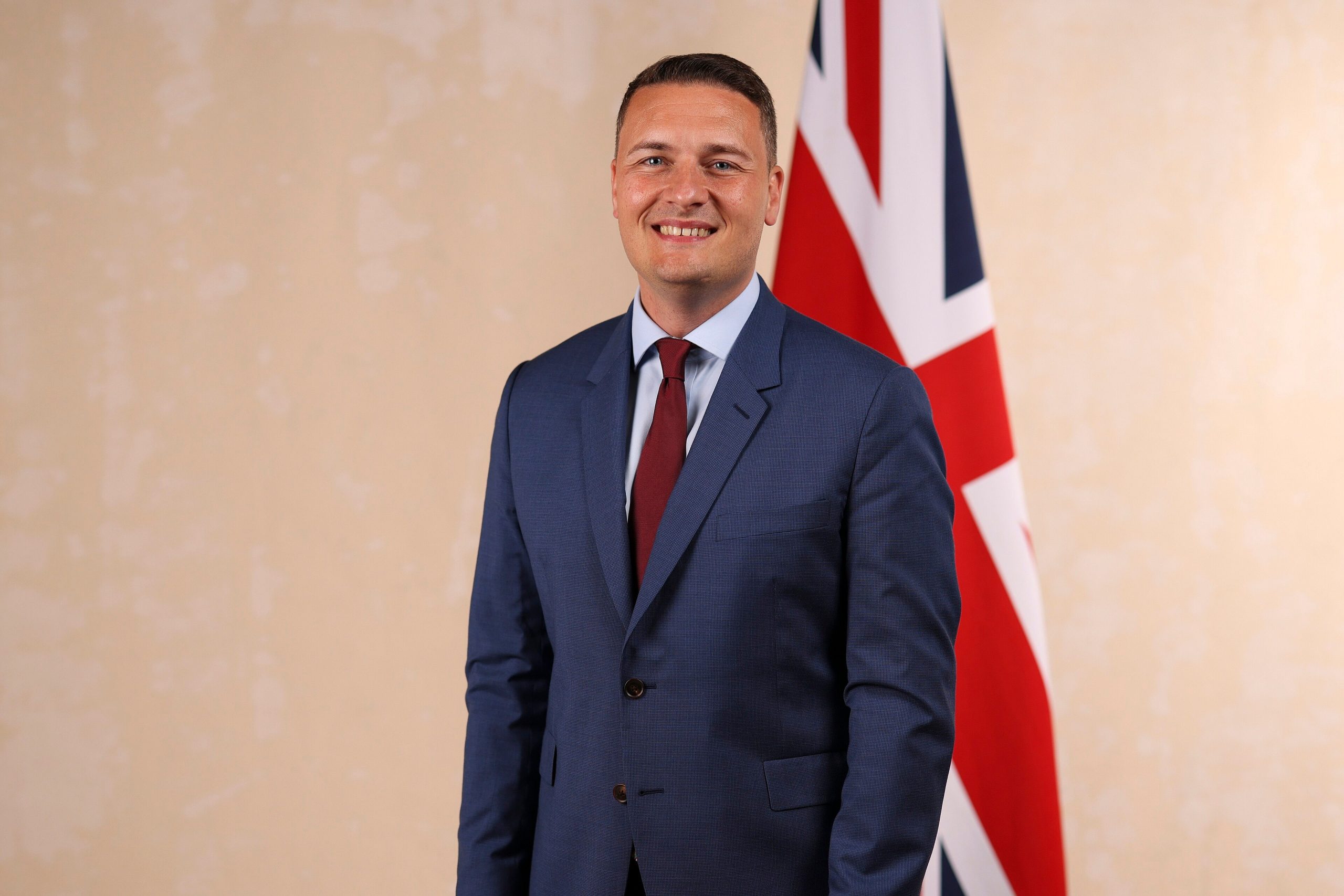
LONDON, June 14 (Parliament Politics Magazine) – Former health secretary Wes Streeting has unveiled a policy platform aimed at increasing high-skilled immigration to the United Kingdom as he prepares to challenge for the Labour leadership. His proposal seeks to reshape the national approach to global talent acquisition and domestic energy policy in a bid to succeed Keir Starmer.
The proposed immigration strategy centres on a global talent programme designed to recruit 20,000 world-leading scientists, engineers, and artificial intelligence experts over the next three years. Aides indicated the initiative would operate from 10 Downing Street with a dedicated budget of £250 million. Streeting argued that the UK is uniquely positioned to benefit from shifting geopolitical dynamics, particularly regarding the United States.
Recruiting Global Talent
Streeting intends to loosen existing immigration restrictions to ensure Britain remains a destination for international experts. His argument rests on the claim that current US policies under the Trump administration create a hostile environment for researchers.
“We should open our door to the best and the brightest,” Streeting said. “Trump is saying to world-leading scientists, engineers, AI experts – you’re not welcome here. I would tell them: we’ll welcome you with open arms.”
The former health secretary suggested that the public is receptive to such measures despite broader debates over migration numbers. He maintained that voters differentiate between general migration levels and the arrival of highly specialised professionals who contribute to technological advancement.
Funding Energy Through New Fields
Alongside his immigration plans, Streeting proposed a shift in how the government handles tax revenue from the North Sea. He advocated for the approval of production at the Jackdaw and Rosebank fields, provided the tax receipts are used to lower household costs.
Streeting argued that this funding should be specifically allocated to support insulation, heat pumps, and electrification. By doing so, he claims the government could simultaneously address high energy costs and help the UK meet its emissions targets.
This proposal places him in direct opposition to current Energy Secretary Ed Miliband, who faces significant pressure regarding the continuation of drilling licences. Streeting suggested that refusing to utilise these resources could negatively impact working families and weaken the domestic renewables sector.
Managing Political Competition
The leadership race is expected to be competitive, with the Mayor of Greater Manchester, Andy Burnham, emerging as a primary rival. Burnham has focused his own platform on the public control of energy and water infrastructure.
The internal party maneuvering follows a period of electoral difficulty for Labour, marked by poor results in recent local elections. These outcomes prompted various figures within the party to assess their positions and prepare for potential changes at the top of the leadership hierarchy.
Streeting’s platform also includes broader economic considerations, such as equalising Capital Gains Tax with income tax and reducing employers’ National Insurance to encourage youth employment. These proposals are part of a wider effort to build a distinct narrative as he positions himself to replace Starmer.
The policy shift regarding North Sea drilling represents a notable departure from current party orthodoxy. While opponents argue that new production undermines climate goals, Streeting maintained that the transition to net zero must be managed without placing undue financial burdens on the public. Further details of his leadership agenda are expected during his upcoming speech.