WASHINGTON, June 19 (Parliament Politics Magazine) – The scheduled technical peace talks between the United States and Iran in Switzerland were postponed on Friday, June 19, 2026, severely clouding the prospects for a lasting truce.
This sudden delay occurred just days after both nations signed a preliminary 14-point memorandum of understanding designed to extend a tenuous ceasefire by 60 days, during which negotiators were meant to reach a final agreement.
Negotiation Challenges
A White House spokesperson stated on Thursday that the logistics of the negotiations have never been simple or predictable. Vice President JD Vance and the U.S. delegation had been prepared to depart for the Bürgenstock mountaintop resort as soon as the plans were finalized, but those plans were ultimately scrapped.
The Swiss Foreign Ministry confirmed the postponement in a formal statement, noting that while the talks are off for the moment, Switzerland remains ready to facilitate future discussions and that preparatory work in Bürgenstock is continuing. The official ceremony that was expected to take place in Switzerland to mark the deal faced early skepticism, as the Iranian Foreign Ministry had previously labeled such a gesture unnecessary given that both nations’ presidents had already signed the pact.
Iranian Hesitation
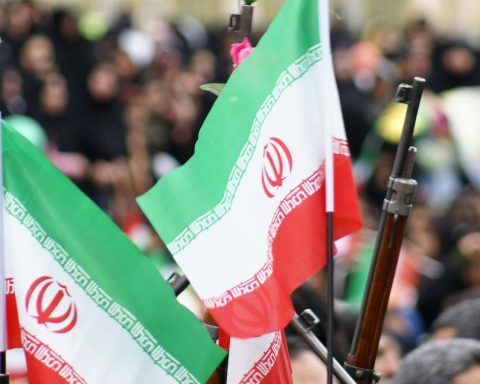
Before the U.S. announcement, the semi-official Tasnim news agency reported that Iranian negotiators required tangible evidence of U.S. implementation regarding the interim deal before committing to travel. Iran’s position remained cautious, with officials emphasizing the need to see the U.S. fulfill its promises before proceeding to further technical discussions.
“If the American side wants to be too demanding, we will not accept it,” Supreme Leader Ayatollah Mojtaba Khamenei said in a message, suggesting that Trump signed the initial memorandum out of desperation.
Iran’s Supreme National Security Council has vowed a reciprocal response to any violations by the American side, stating they would show no leniency until the nation’s full rights are secured.

Regional Complications
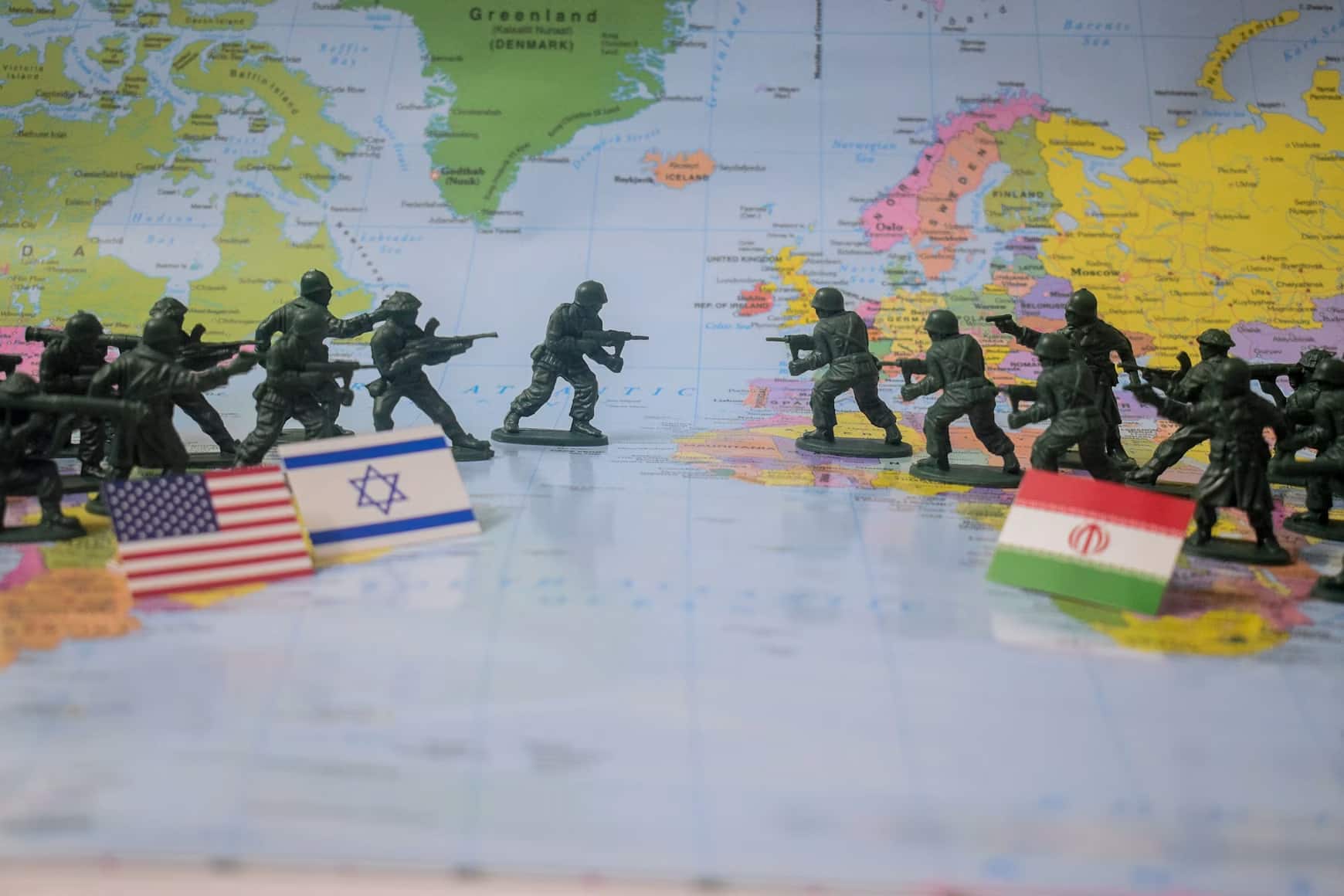
The conflict, which began on February 28, 2026, with U.S. and Israeli air attacks on Iran, has claimed at least 7,000 lives and caused significant global economic disruption. While the memorandum provides Iran with relief from economic sanctions and unfreezes billions of dollars in assets, Israel has distanced itself from the agreement.
Israel has continued its military campaign against Hezbollah in Lebanon, raising concerns about the viability of the broader truce. On Friday, the state news agency NNA reported that fresh Israeli strikes in Lebanon killed at least 18 people. Although the U.S.-Iran deal calls for a permanent termination of the war in Lebanon, Israel has signaled no intention of withdrawing, instead outlining plans for an expanded occupation zone.
Military Objectives
The U.S. had originally launched the conflict with the stated goals of dismantling Iran’s nuclear capabilities, ending Tehran’s ability to strike its neighbors, and curbing support for regional militants. None of those objectives were fully met at the time the memorandum was signed. Under the terms of the 60-day window, Washington aims to finalize limits on Iran’s nuclear program and long-range missiles, though critics argue that Iran remains in a stronger position after withstanding the initial attacks.
Economic pressure remains a primary concern for the U.S. Department of Defense, which recently informed lawmakers that it requires $80 billion to cover war-related costs and other obligations. Despite the diplomatic impasse, global markets saw a slight dip in oil prices on Friday. This movement followed the resumption of tanker traffic through the Strait of Hormuz, a critical maritime passage that carried nearly 20% of global crude oil and liquefied natural gas before the fighting began.
Iran has stated that it will continue to manage the Strait of Hormuz in partnership with Oman. Tehran intends to implement new service fees for vessels passing through the waterway once the 60-day negotiation period concludes. As the diplomatic process stalls, the international community continues to watch whether the tenuous ceasefire can survive the competing interests of the regional powers and the shifting political landscape in Washington.