
ACCRA, June 19 (Parliament Politics Magazine) – Lawmakers from more than a dozen African countries have pledged to introduce new bills restricting LGBT rights following a major inter-parliamentary conference held in Ghana. The meeting brought together self-described pro-family activists and political representatives from across Africa and Europe to coordinate legislative agendas.
The African Inter-Parliamentary Conference on Family Values and Sovereignty took place in Accra from June 3 to June 6. The summit occurred just one week after the Ghanaian parliament passed one of the continent’s most stringent measures, which criminalizes the promotion of LGBT rights.
Legislative Coordination in Accra
Organizers reported that representatives from 20 countries participated in the sessions held within Ghana’s parliament. While the specific number of nations intending to introduce immediate legislation remains unclear, participants discussed strategies to translate their shared objectives into national laws and budgetary allocations.
The conference concluded with the approval of a 32-page document known as the African Charter on Family, Sovereignty and Values. Drafted during earlier meetings in Uganda, the charter serves as a roadmap for signatories to align their domestic policies against international standards concerning gender and sexuality.
Delegates from 18 of the 20 represented nations endorsed the document. It explicitly urges governments to withdraw from international treaties and agreements including those with the United Nations and foreign donors that are perceived to promote LGBT rights, abortion, or sex education that does not prioritize abstinence.
Framing Culture
Speakers at the conference characterized the push for restrictive laws as a defense of traditional African values against outside influence. Attendees frequently used the term ideological colonization to describe international pressure regarding human rights and the potential implementation of bans on conversion therapy.
Henk Jan van Schothorst, a Dutch executive director of the advocacy group Christian Council International, addressed the assembly. He framed the pushback against Western standards as a necessary step for African nations to maintain their independence.
“These policies are not only reserved for the Netherlands and for Europe. They are coming to Africa,” he said of the bans, describing them as ideological colonisation by Western powers.
Presentations during the event included various arguments against the expansion of protections for sexual minorities. Kenyan doctor Wahome Ngare utilized his time to present alternative definitions for homosexual and transgender identities, linking them to childhood trauma rather than sexual orientation or gender identity.
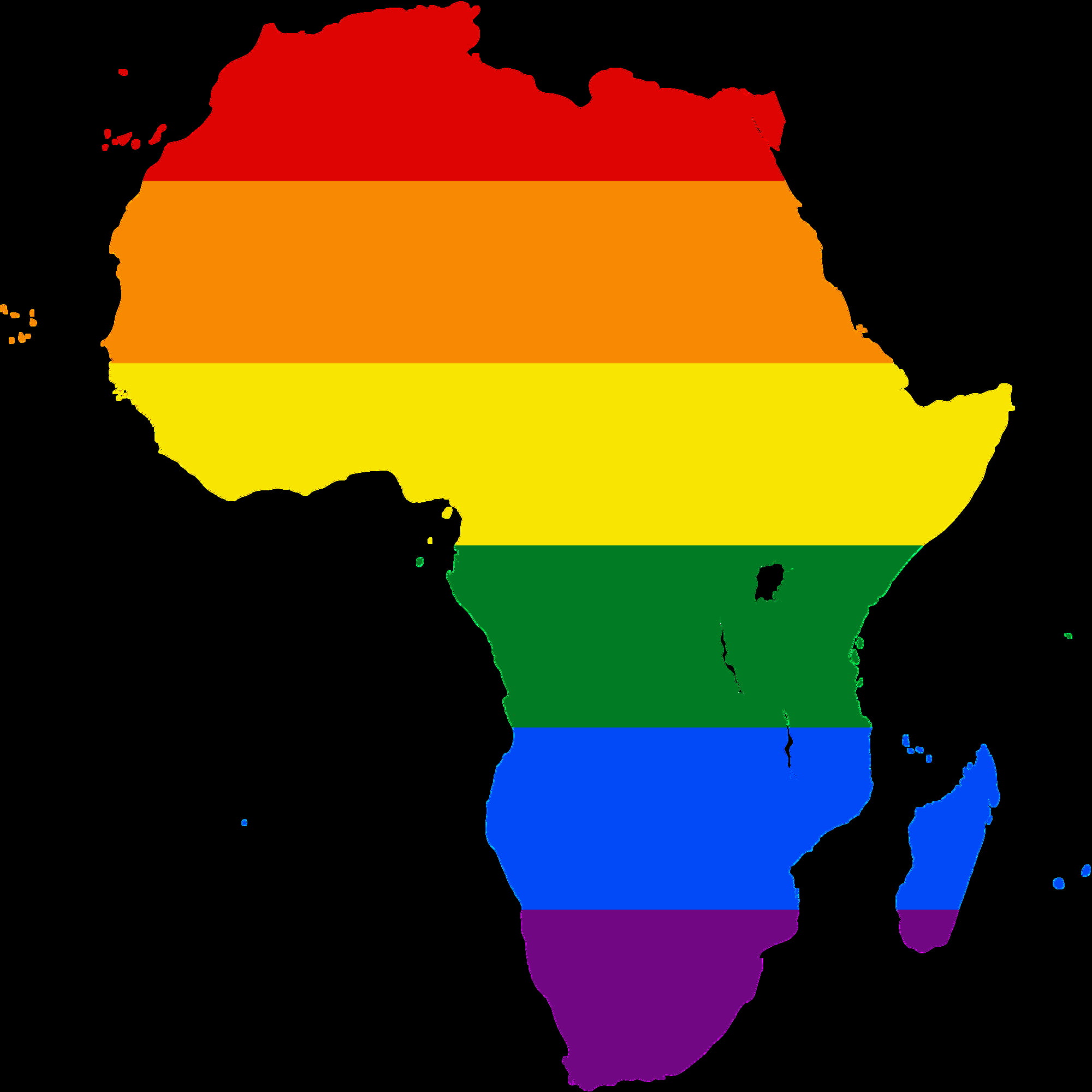
Shifting Political Dynamics
The gathering highlighted a significant shift in how these legislative movements perceive their standing on the global stage. Participants openly discussed the potential for advancing their agendas following the return of Donald Trump to the White House.
Attendees noted that the current U.S. administration does not prioritize the promotion of LGBT rights within its foreign policy framework. This stands in contrast to the approaches of previous administrations, which often tied diplomatic and financial relations to human rights benchmarks.
Ugandan former lawmaker Sarah Opendi expressed optimism regarding this change in the American diplomatic landscape. She told the assembly that the political climate in the United States has evolved in a way that creates more space for their legislative goals.
“Let us first thank the American people for voting for President Trump. The conversation in America today is different,” she said.
Human Rights Concerns
The legislative push has drawn intense criticism from health officials and civil society organizations. Experts warn that laws criminalizing the promotion of LGBT rights significantly endanger public health by forcing vulnerable populations to avoid medical facilities for fear of arrest.
Reports from Senegal have already indicated a decline in the number of HIV patients visiting treatment centers. This drop in healthcare engagement coincided with a period of increased arrests and intensified public debate surrounding new restrictive laws in that country.
For many living in Ghana, the atmosphere has already shifted toward heightened surveillance and fear. An African photographer and longtime resident of ACCRA described the current climate as a struggle for basic survival.
“I constantly self-censor, hide, watch my back. That’s not safety, that’s survival. So yes, leaving has crossed my mind. That breaks my heart because Ghana is my home,” the photographer said.
A coalition consisting of more than 100 African civil society groups has formally urged Ghanaian President John Dramani Mahama to reject the pending bill. These groups argue that the legislation makes the country susceptible to external actors using resources to shape domestic policy.
Ghana’s bill is currently awaiting sign-off from the president. While Mahama previously indicated he would support such a measure, he recently pointed to procedural issues that have delayed the finalization of the law.