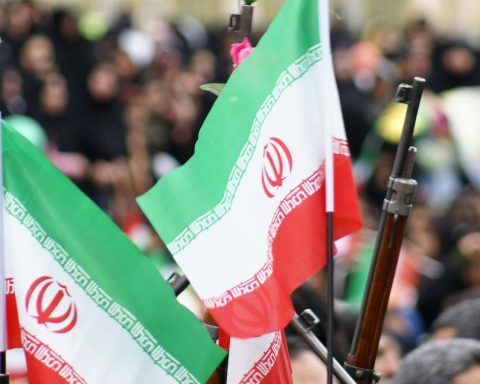
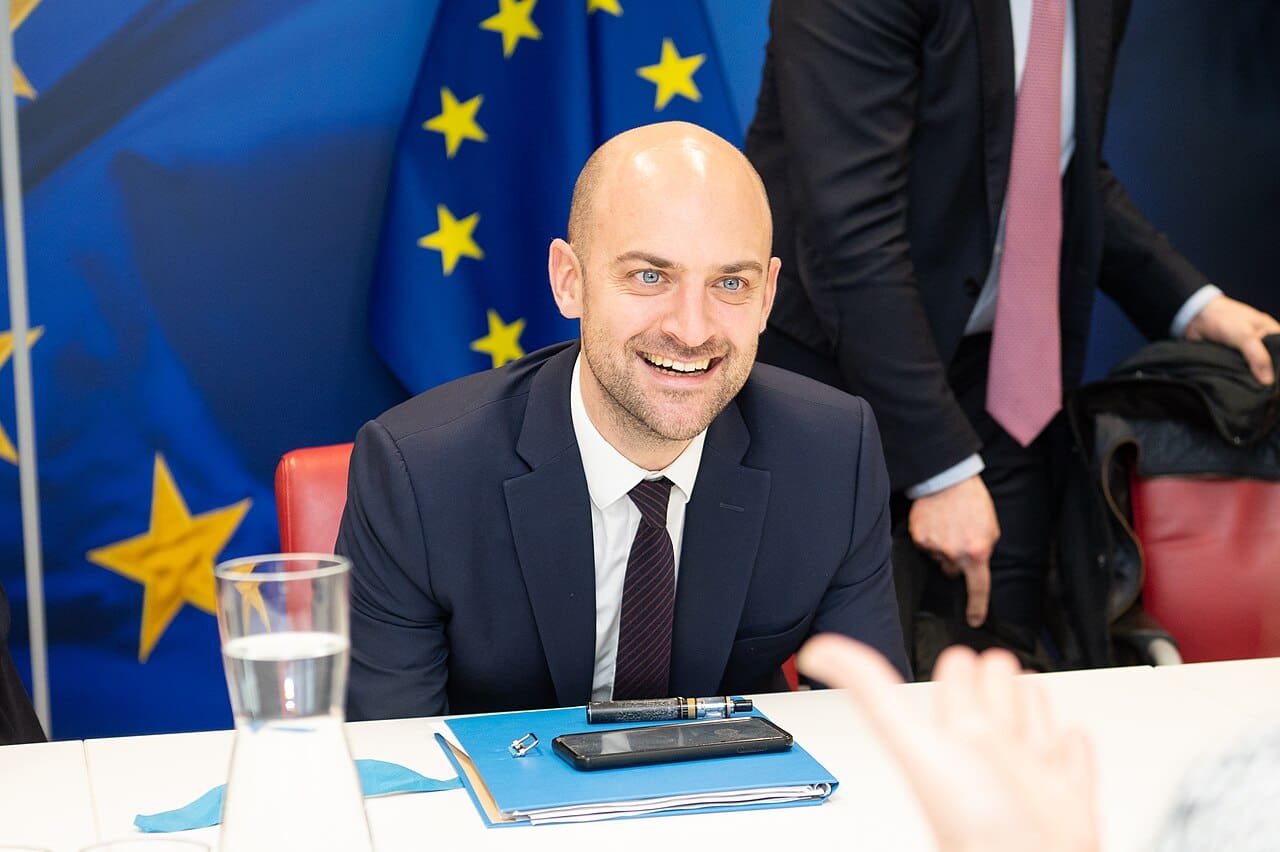
PARIS, June 19 (Parliament Politics Magazine) – France will withhold approval for the lifting of United Nations sanctions on Iran unless the terms of a final accord meet its security requirements, French Foreign Minister Jean-Noël Barrot said on Friday.
As a veto-wielding permanent member of the United Nations Security Council, France intends to play an active role in upcoming negotiations regarding Iran’s nuclear capabilities.
The French government argues that stability in the Middle East remains unattainable if diplomatic efforts focus solely on nuclear limitations. Barrot told broadcaster franceinfo that any comprehensive agreement must also address Iran’s ballistic missile program and its support for regional proxies.
“The return for major concessions that will be asked of Iran is the lifting of sanctions, sanctions that were taken at the United Nations,” Barrot said.
The diplomat emphasized that France’s position remains consistent with its role in previous negotiations a decade ago. By exercising its authority at the Security Council, the French administration aims to ensure that any deal involves a radical shift in Tehran’s regional posture.
Recent discussions between the United States and Iran have established a 60-day window to secure a final agreement for Security Council endorsement. However, officials from France, Britain, and Germany have expressed concern regarding the current trajectory of these talks. These European powers feel they were sidelined during the initial phases of the dialogue and are now pushing to help shape the next stage of the process.
There is significant anxiety among European diplomats that an inexperienced United States negotiating team might fail to secure a robust agreement. They fear that a rush to finalize a deal could result in a weak framework that neglects broader security threats. The E3 nations, which first engaged Iran on its nuclear program in 2003, are seeking to leverage their collective experience to prevent a prolonged standoff.
The current diplomatic landscape differs from the 2015 accord, which former President Barack Obama helped secure before Donald Trump withdrew from the agreement during his first term. While the European Union has clarified that it will maintain human rights-related sanctions regardless of the nuclear outcome, the focus remains on the Security Council’s ability to formalize any new, permanent relief for Iran. France intends to utilize its veto power to ensure any final resolution aligns with its rigorous security expectations for the region.