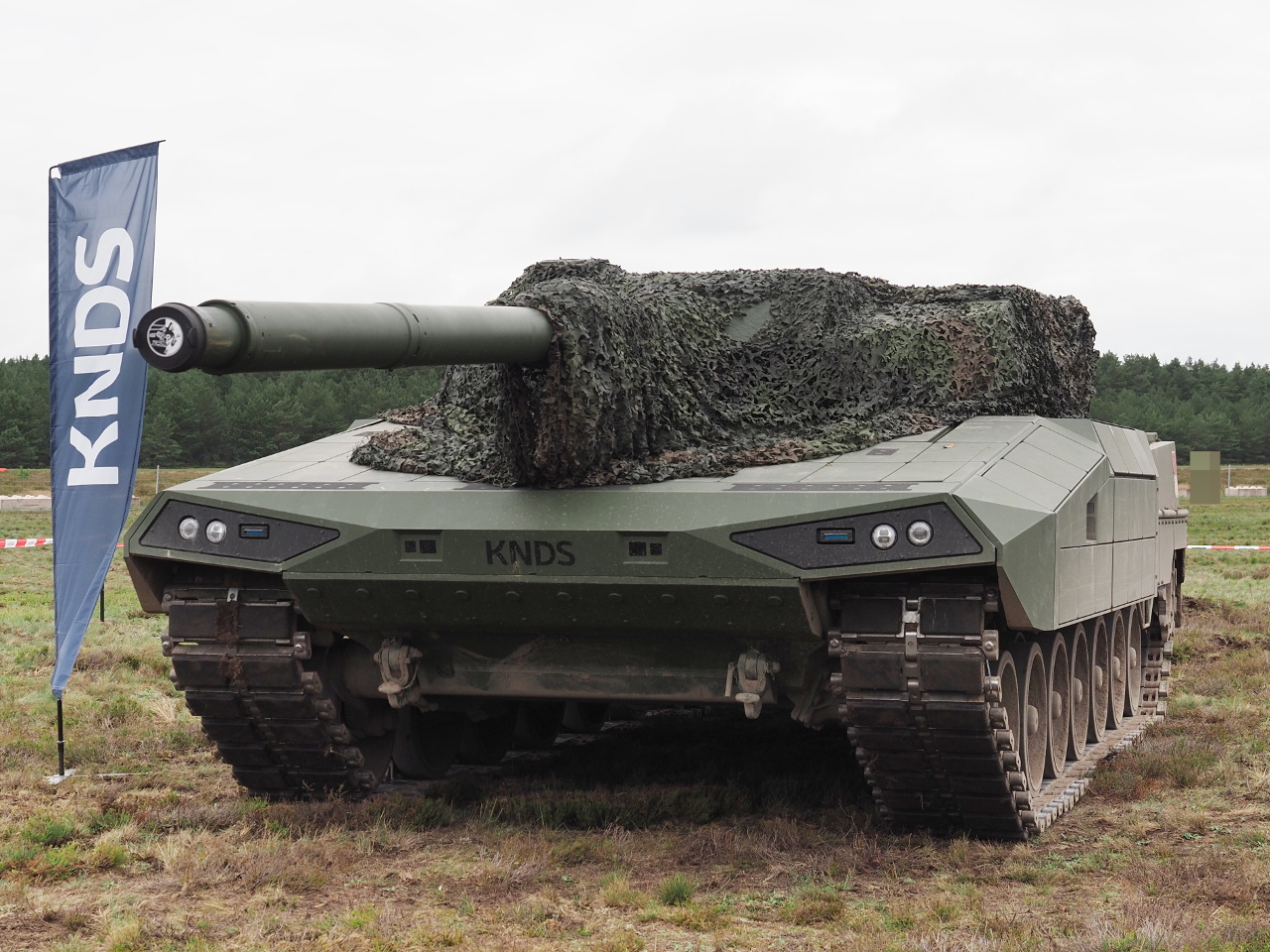
PARIS, June 15 (Parliament Politics Magazine) – Defence group KNDS launched a new battle tank on Monday as a stopgap replacement for the ageing Leclerc fleet of France, as questions grow over the future of a long-delayed joint French and German project to develop a next-generation tank. The launch took place at the Eurosatory exhibition near Paris.
Concerns about a growing threat from Russia, coupled with United States President Donald Trump’s increasing reluctance to back European defence, have governments rushing to step up military capacity. However, collaboration on major defence production projects continues to face significant challenges.
The New CAPINT Platform
The launch of the KNDS tank follows the recent decision by France and Germany to drop their joint Future Combat Air System fighter jet programme after months of disputes between Airbus and Dassault Aviation. The new vehicle, named CAPINT for “intermediary capability,” combines a chassis produced by the German division of KNDS and a tank gun made by its French division.
The manufacturer stated that the objective is to strengthen the capabilities of the French Army. Furthermore, the firm noted that the development will pave the way for the next-generation Main Ground Combat System.
Initiated in 2017, the Main Ground Combat System was intended to replace the German Leopard 2 and the French Leclerc tanks. The entry into service was initially targeted for between 2040 and 2045, while the current Leclerc tanks are scheduled to be taken out of service by 2038.
In April, French Armed Forces Minister Catherine Vautrin informed parliament that Paris had decided to launch an “intermediate” tank programme to mitigate delays affecting the joint project. She stated that the initiative was running about 10 years behind schedule.
The Chief Executive Officer of German group Rheinmetall, one of the shareholders in the initiative, was quoted over the weekend as saying France was considering drastic cuts to the project’s funding. A French government source maintained that the project remains important for both nations as well as for KNDS.
Uncertain Future for Cooperation
However, a German government spokesperson raised doubts again on Monday by saying the project would be focused on platform-independent technologies. The official added that it was not currently clear whether a joint tank would still be built.
KNDS Chief Executive Officer Jean-Paul Alary told reporters at the exhibition that he could not comment on the status of the programme, which he described as a political issue. He did, however, offer a perspective on the potential consequences of a failure.
“It would be very bad news for Europe if the project fell apart,” Alary said.
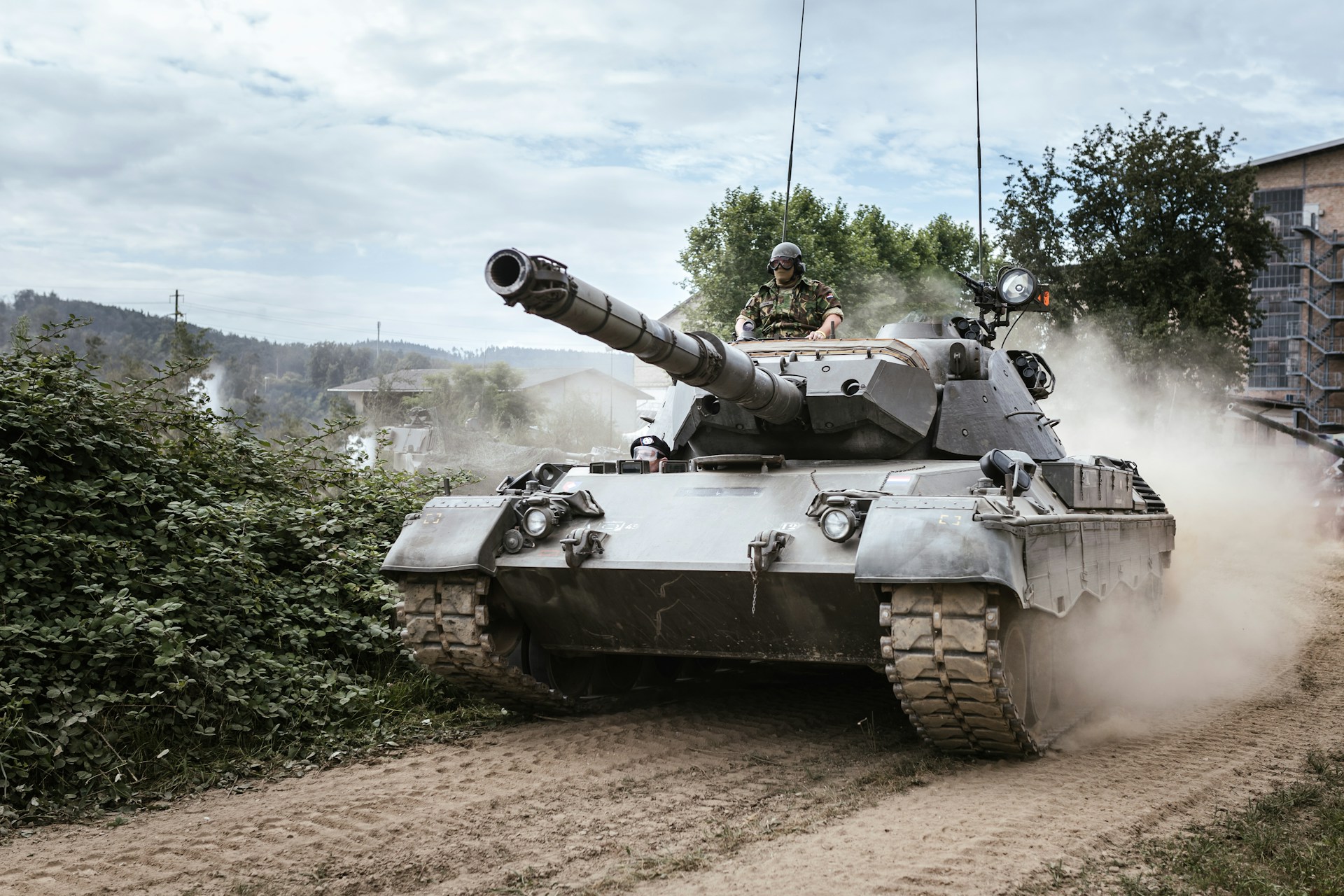
Germany began working on its own plans parallel to the joint project in 2025. This includes an intermediate tank developed by KNDS Germany and Rheinmetall, referred to as the Leopard 2AX or Leopard 3, intended to succeed the existing Leopard 2 fleet.
KNDS is currently preparing an initial public offering for a dual-listing in Frankfurt and Paris expected this year. Asked about the timing of the move, Alary said that the best scenario would be to proceed as soon as they can.
German newspaper Handelsblatt reported that Paris and Berlin had reached a deal on Monday after the German government requested safeguards ahead of the public offering to prevent technical knowledge from leaking out of Germany. The German chancellery did not immediately respond to a request for comment.