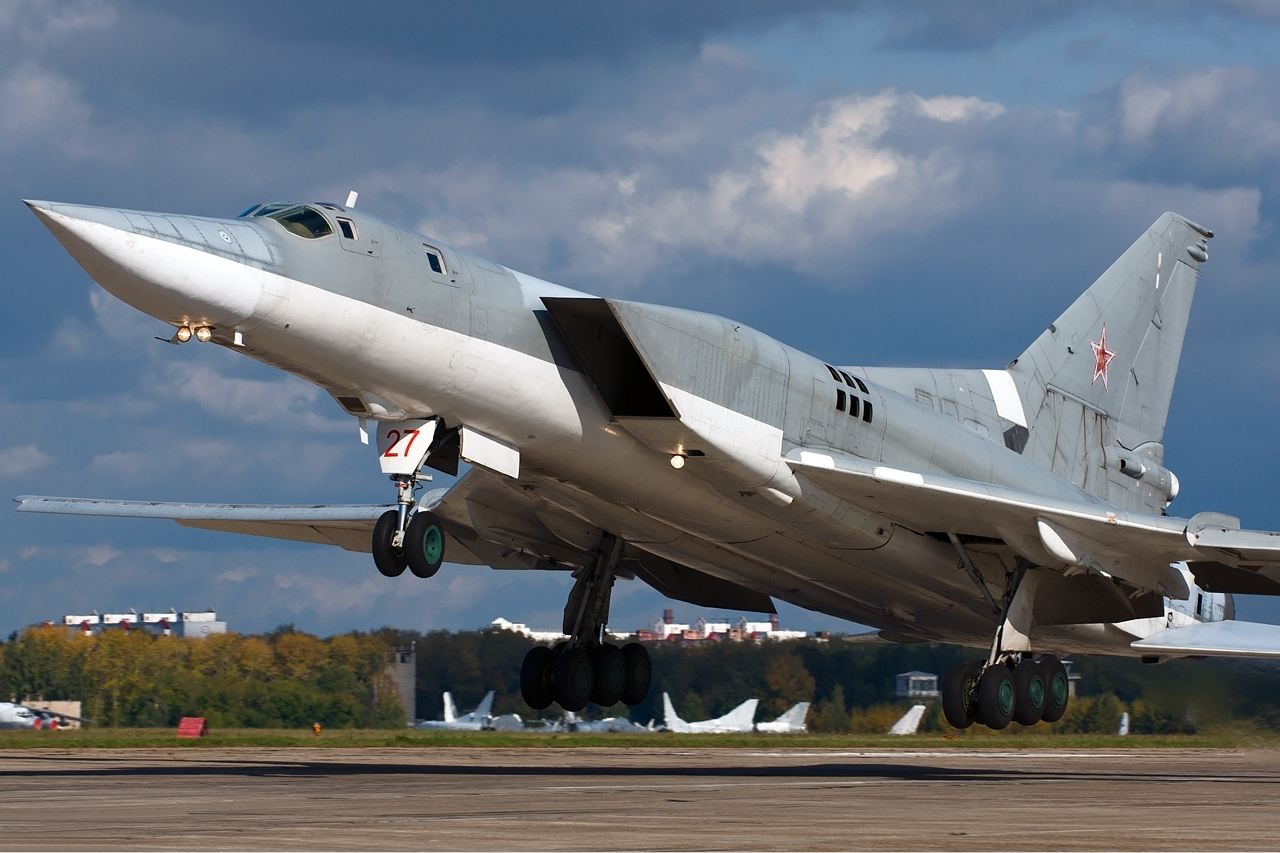
IRKUTSK, Russia, June 15 (Parliament Politics Magazine) – A Russian Tu-22M3 strategic bomber plane crashed on Monday during a routine training exercise in Siberia’s Irkutsk region. The aircraft went down near the village of Kamenka, located along the banks of the Angara River.
The Russian Defence Ministry confirmed the accident occurred while the bomber was conducting a flight without any combat load. Unverified social media footage captured the moment the aircraft nosedived into a heavily wooded area, resulting in a large column of smoke rising from the impact site.
All four crew members on board managed to eject from the aircraft before it reached the ground. According to official reports, the pilots were recovered safely and transported to a local hospital for medical evaluation. Their injuries are currently described as non-life-threatening.
Regional authorities confirmed that emergency response teams were deployed to the scene to extinguish a fire caused by the crash. There were no reports of damage to civilian infrastructure or casualties on the ground near the crash site.
“The crew ejected. There is no threat to the pilots’ lives or health,” the Interfax news agency cited the Defence Ministry as saying.
Preliminary information released by the regional governor, Igor Kobzev, suggests that an engine failure caused the crash. The Russian Aerospace Forces have launched an official investigation led by a military commission to determine the specific mechanics behind the malfunction.
The Tu-22M3, known by the NATO reporting name “Backfire,” is a modernized supersonic, long-range bomber developed during the Soviet era. These aircraft are capable of carrying advanced munitions, including hypersonic Kinzhal missiles and Kh-22 cruise missiles.
The bomber was reportedly on its approach to land at the Belaya Air Force Base, which hosts the 220th Heavy Bomber Aviation Regiment. This unit serves as a critical component of Russia’s long-range aerial capabilities in the Siberian region. Military officials continue to work at the site to assess the wreckage as the safety probe proceeds.