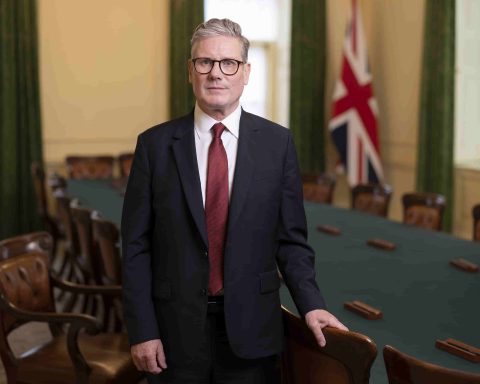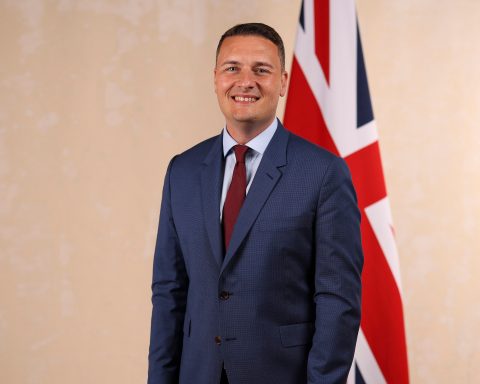
LONDON, June 22 (Parliament Politics Magazine) – British Prime Minister Keir Starmer announced on Monday he will resign as leader of the Labour Party, initiating a transition that will see the United Kingdom select its seventh prime minister in a decade.
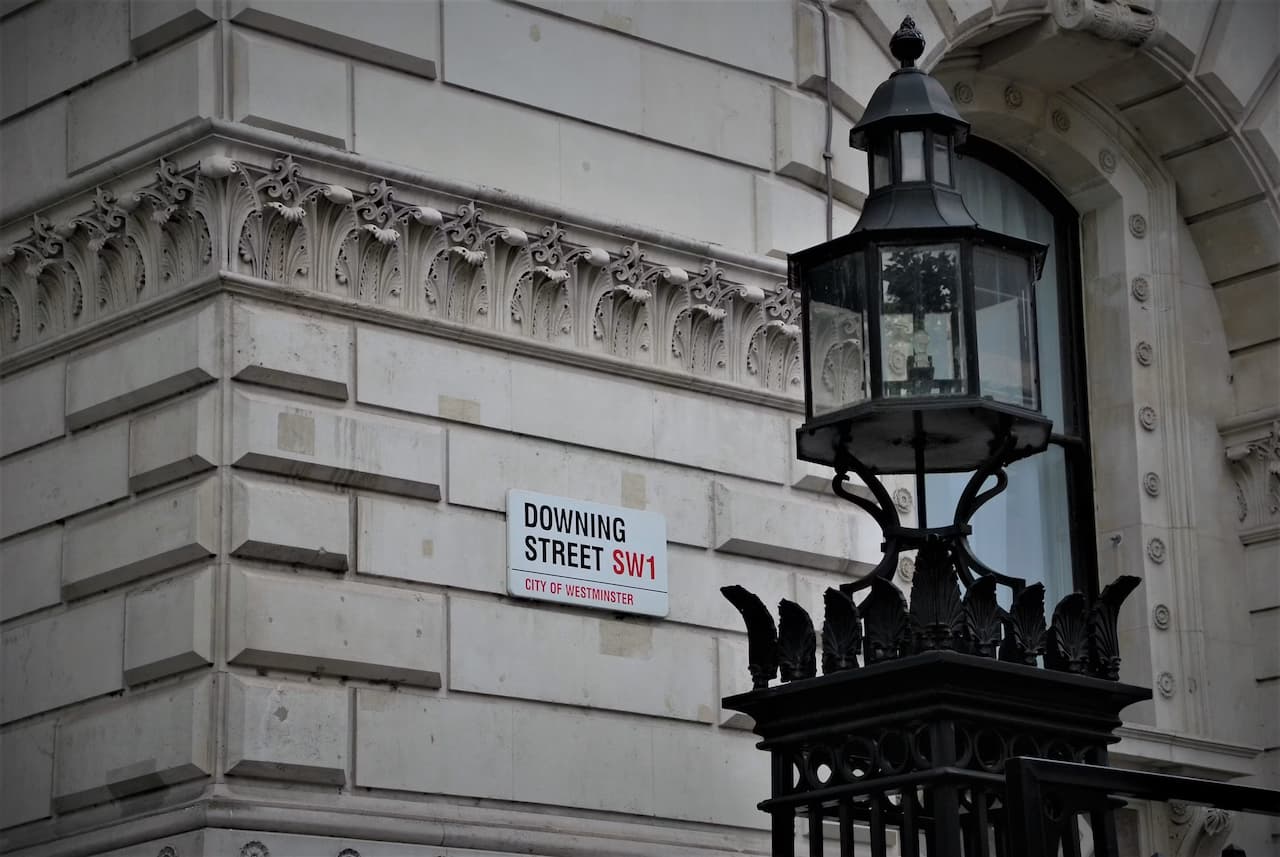
Speaking from a podium outside 10 Downing Street, Starmer confirmed he would remain in office as a caretaker until a successor is chosen by the time parliament returns in September.
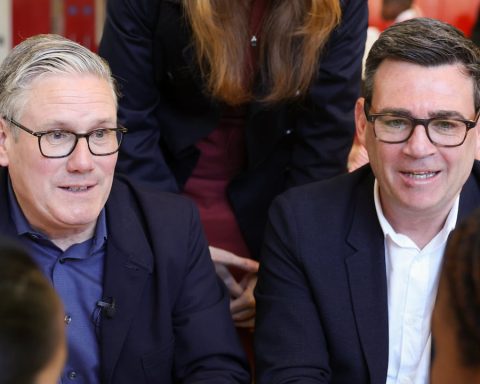
The move follows intense pressure from within his own parliamentary party, which grew significantly after former Greater Manchester Mayor Andy Burnham secured a seat in parliament in a recent by-election. Starmer, who led Labour to a landslide victory less than two years ago, faced mounting internal criticism following heavy losses in local elections and a series of political hurdles.
The Labour Leadership Contest
The process for replacing the Prime Minister is governed by internal Labour Party rules. Any candidate aiming to succeed Starmer must first secure the support of at least 20 percent of Labour members of parliament. With the party holding 403 seats, this requirement equates to a total of 81 lawmakers, including the challenger themselves.
Candidates are also required to meet specific thresholds for support from grassroots Labour Party organizations and affiliated groups, such as trade unions. Once nominations officially open on July 9, contenders have until July 16, when parliament enters its summer recess, to gather the necessary backing.
Path to the Premiership
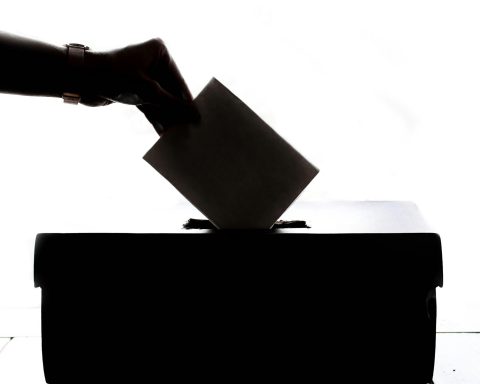
If multiple candidates successfully secure the required nominations, the decision moves to a wider ballot of all registered Labour Party members and affiliates. This process is designed to conclude by September 1, ensuring a new leader is in place when parliament returns from its summer break.
In the event that only one candidate meets the support threshold, no national vote is held. That individual is elected unopposed as Labour leader and automatically moves to assume the premiership. Regarding his departure, Starmer stated:
“I have heard the answer of my parliamentary party to that question, and I accept that answer with good grace.”
Appointment of the Successor
Because the Labour Party holds a clear majority in the House of Commons, the newly elected party leader is constitutionally assured of commanding the confidence of the house. Following the election of a new leader, King Charles III will formally invite them to form a government.
While the incoming prime minister traditionally meets the Monarch at Buckingham Palace or another royal residence for a formal audience often referred to as “kissing hands” the process is a standard constitutional convention to finalize the appointment. Once the formal invitation is accepted, the new prime minister will travel to 10 Downing Street to begin their term. Until that transition is completed, Starmer will continue his duties as caretaker, overseeing government stability without initiating major new policies or public spending.