

The British monarchy is one of the most famous institutions in the world. As head of state, the Queen embodies stability, tradition, and unity. A common question is raised: does the Queen have any power to intervene in a constitutional crisis in Britain?
To answer this question, we will look at the past, the relationship of the monarchy, and how power is exercised within the British constitutional system.
The Queen’s Role in Britain
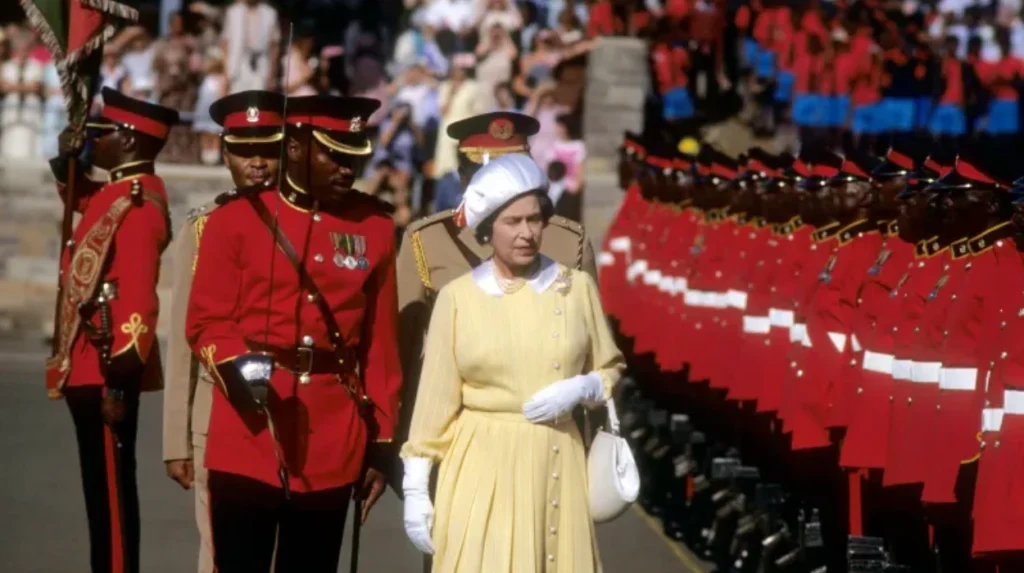
The Queen is the ceremonial head of state of the United Kingdom. The Queen’s role is symbolic, not political, with the day-to-day decisions left to an elected government, not to the monarchy.
Many people inevitably wonder, can the Queen simply assume control in a constitutional crisis in Britain? The situation is complicated. The Queen theoretically has certain legal powers, but her role is fundamentally limited in direct action by centuries of tradition and law.
What Is a Constitutional Crisis?
A constitutional crisis occurs when regular functioning of government fails. This can take many forms; for example, Parliament is unable to agree on how to move forward, the Prime Minister has no authority, or a political system is unable to function.
At times like these, people may ask, what power does the Queen have to intervene and restore order? Can the Queen act in a constitutional crisis in Britain, or does she remain neutral?
The Idea of Royal Prerogative
Royal prerogative encompasses the powers that once were exercised by the monarch; these powers include the ability of the monarchy to declare war, dissolve Parliament, appoint a prime minister, and so on.
At present, these powers would always be exercised in the name of the Crown by government ministers. The King is not personally exercising these powers.
Historical Context of Monarchy and Limitations on Power
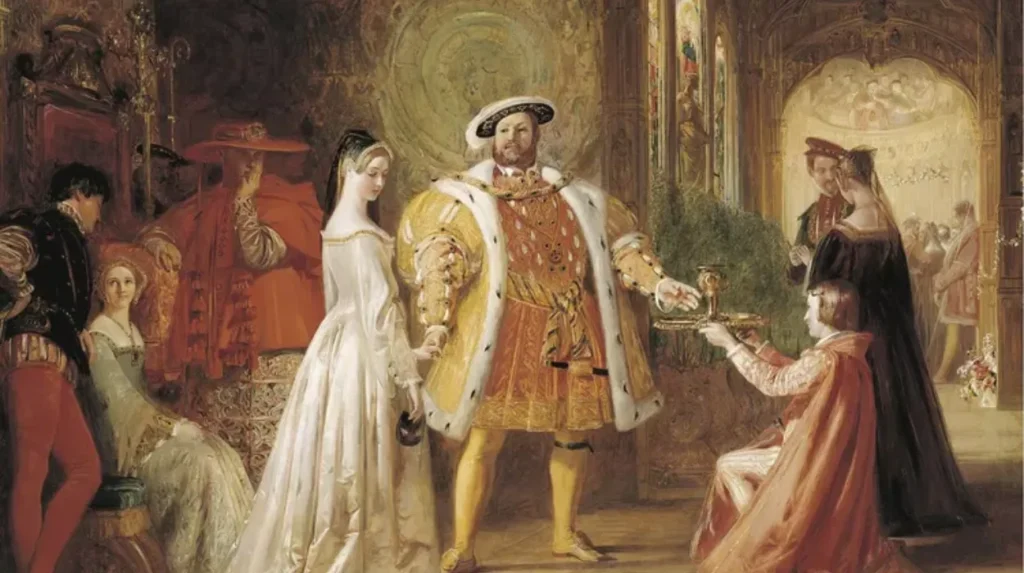
To consider the limits of monarchy, it can be helpful to consider historical context. The English Civil War, the Glorious Revolution of 1688, and the Bill of Rights of 1689 all play roles in limiting royal power. The monarchy has assumed a constitutional nature, and its powers are prescribed by law and convention.
This history is why the Queen is expected to remain above politics. Certainly the question remains open: could the Queen intervene in a constitutional crisis in Britain if the normal route of politics is blocked?
The Queen and the Prime Minister
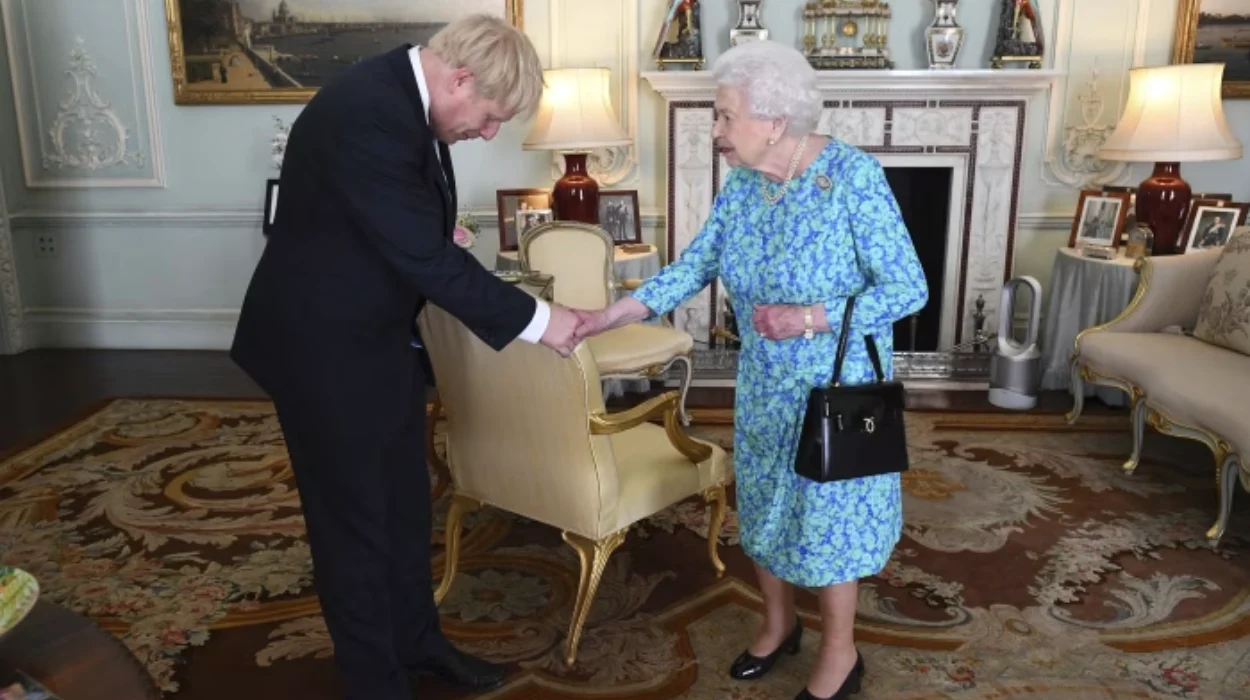
The Queen appoints a prime minister in a formal way. In normal circumstances this is easy because it is pretty clear who the Parliament supports.
But imagine a scenario where no party has control, or the leaders of the party or parties refuse to resign. Could the Queen intervene and make a decision? This is one of the few parts of the Queen’s role that might actually become active. Even in this scenario, the Queen would act very carefully to make sure she is not accused of favoritism. This is why people keep asking: can the Queen intervene in a constitutional crisis in Britain?
The neutral position of the Crown
A fundamental principle of the monarchy is that it is politically neutral. The Queen does not take sides in a political issue. The Queen represents all citizens, not only one politically select group. If the Queen were to intervene in a constitutional crisis in Britain, it would do great damage to her position of neutrality.
For these reasons, most specialists in readiness suggest she would not exercise her powers directly; although the right exists, she has limited ability to meaningfully act for Parliament.
Expert Opinion of Monarchy and Crisis
Constitutional scholars often debate the actionable options available to the monarchy in the event of a serious situation. Some argue the Queen has an obligation to act, as a last resort, if she acts quickly enough to stabilize the state. Others assert that the Queen must avoid acting by any means.
However, the debate keeps the question alive: can the Crown take charge in the event of a constitutional crisis in Britain? The relevant law provides an answer, but in practice, they are unlikely to happen.
The Balance Between Tradition and Democracy
The British system depends on a balance between tradition and democracy. The monarchy provides continuity, and Parliament represents the people.
If the Queen or the Crown were to take charge in Britain during a constitutional crisis, it would tip the balance that offers stability to the polity. For most actions, Parliament and its elected leaders exercise their actions from the Crown.
What the Law Says
The UK lacks a constitution that is written down but has constitutional laws and constitutional conventions. These laws will govern how power is exercised. In theory, the Queen had the power to dissolve Parliament. She can also appoint ministers. In reality, conventions make it absolutely clear that she is acting only on the advice of the government; in a crisis, the Queen is unlikely to act freely.
Could the Monarchy Ever Regain Power?
The answer is almost certainly not. Democracy is very much entrenched in Britain, and a move to take control by the Queen would not be easily accepted. The question raises interesting issues. It invites us to consider where traditions should fall in the overall structure of democracy.
Can the Queen Take Control During a Constitutional Crisis in Britain?
The short answer is no, not in the way people often think of it. The Queen has legal powers that are on paper, but the conventions of politics mean that she cannot exercise them directly. Ours is a constitutional monarchy where the Queen has a specific role to both remain neutral, protect stability, and provide a symbol of unity.
It is the elected government that responds to a crisis, not the monarchy. The monarchy’s greatest power comes from tradition, symbolism, and continuity, not from assuming control of the government. This is why the Queen is respected as a figure above politics.
