

The Industrial Revolution is one of the most important developments in human history. The Industrial Revolution represents a major transition from agriculture and handicraft to an economy based on machines, factories, and mass production. In discussions of the Industrial Revolution, Britain is at the center of the narrative. The big question for us is, did the Industrial Revolution actually belong to early modern Britain? To answer this question, we need to examine the timings of industrial change, the social and economic conditions of Britain, and the world context.
What Was the Industrial Revolution?
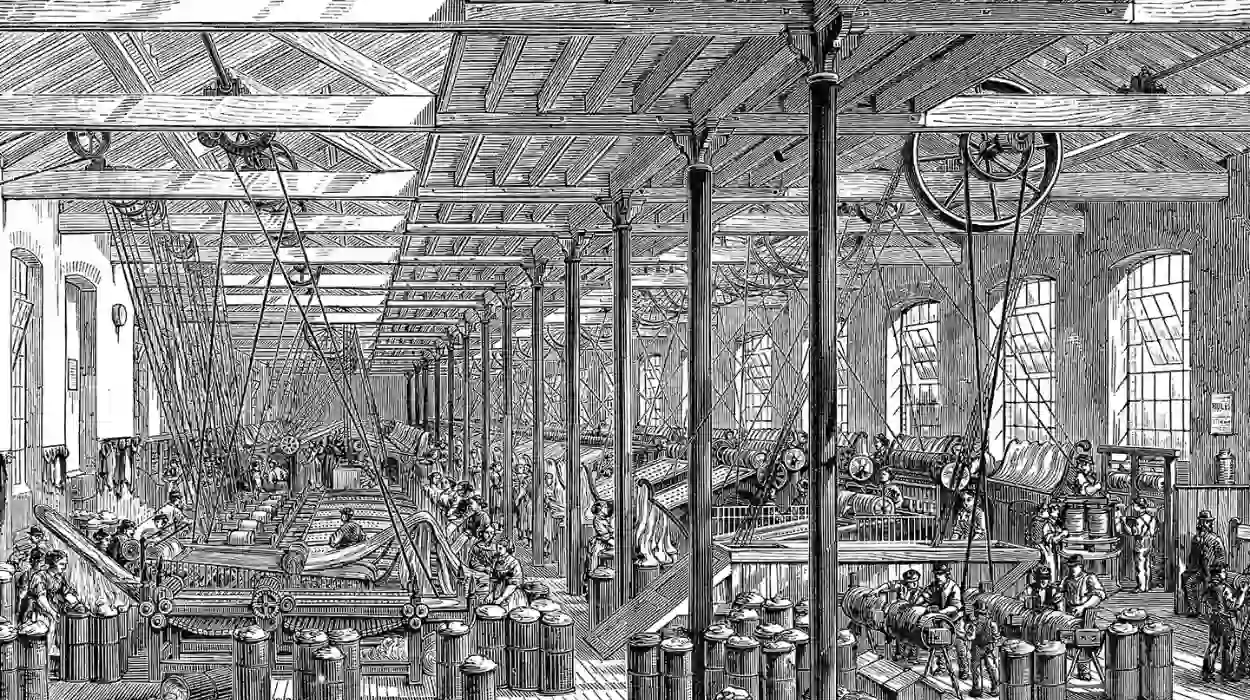
The Industrial Revolution was composed of no one event. It remains a longer process of change that began in the late 18th century and resulted in big shifts in how people worked, lived, and produced things. The movement towards industrialization involved replacing laborers with machinery, factories replaced small businesses, and steam power replaced human and animal power.
Overall Features of the Industrial Revolution:
- Mechanization: Changing from hand production to machines.
- Urbanization: Movement towards cities for workers near factories.
- Transport Developments: Development of canals, railways, and roads in support of trade.
- Energy Consumption: Transition from wood and water to coal and steam.
- Social Change: The rise of a new working class along with a dynamic middle class. The combination of these traits marked a radical break with the older economies of pre-industrial Europe.
Emerging Early Modern Britain
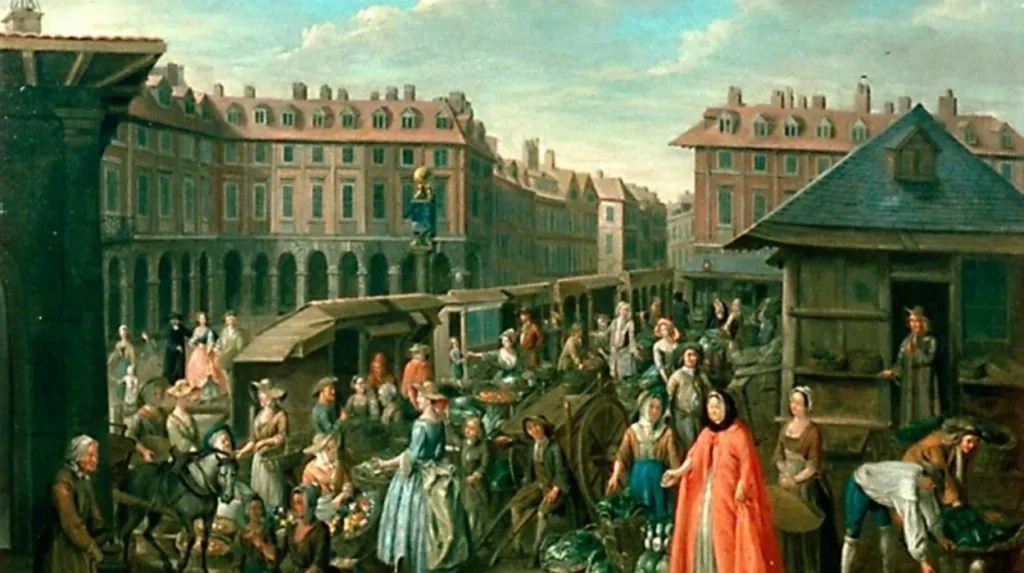
To assess whether the Industrial Revolution belonged to early modern Britain, we need to establish when early modernism actually began and ended. Historians usually endorse a definition of the early modern period as the era from around the late fifteenth century to the end of the late eighteenth century. This was the age of exploration or discovery, religious reformation, and nation-states.
Britain’s Distinction
In this age of exploration, Britain set itself apart from other countries in a number of notable ways;
- Agricultural Revolution: Advances in agricultural techniques, particularly crop rotation, and selective breeding in livestock led to increase in food production.
- Political Stability: Following the Glorious Revolution of 1688, Britain enjoyed a fairly stable constitutional monarchy and institutions.
- Global Trade: Economic growth through empire building provided a supply of raw materials and new markets and our navy provided access to those raw materials.
- Scientific Advances: Advances in science supported by the Enlightenment inspired technological advances and a culture of curiosity.
- Financial Systems: The establishment of the Bank of England (1694) and the establishment of a stock market enabled industrial investments to flourish.
These statements provided Britain a unique competitive advantage in comparison to its European neighbors.
Did the Industrial Revolution Belong to Early Modern Britain?
This is a complex question. Industrial changes had their origins in Britain, but whether they should all be categorized as early modern is debated.
Arguments in Favour
By the middle of the eighteenth century, Britain had the social and economic prerequisites for industrialization. Many of the critical inventions, such as James Watt’s steam engine (patented 1769), developed in the late early modern period. Britain’s colonial wealth and agricultural surplus in the seventeenth and eighteenth centuries established the social and economic environment for the path to industrialization.
Arguments Against
Some suggest the Industrial Revolution should be considered as belonging less in the early modern period compared to the modern period. The larger industrialization developed only after 1800, particularly in textiles, railways, and steel production. Early modern Britain established the base, but the actual industrial revolution unfolded in the nineteenth century. Early modern Britain provided the cradle for the Industrial Revolution; the Industrial Revolution could not be appropriately categorized solely in this period.
Major Inventions and Innovations
Textiles and Spinning
The first industry to mechanize was textiles. Major inventions such as the spinning jenny (1764), developed by James Hargreaves, and the water frame (1769), developed by Richard Arkwright, changed the production of cloth.
Steam Power
James Watt’s improvements to the steam engine not only changed mining but also changed transport and manufacturing. The steam engine powered mills, locomotives, and ships.
Iron and Coal
The steam engine generated an increasing demand for coal, along with new processes to generate iron (with Henry Cort’s puddling process being a notable example), which produced stronger products for machines and infrastructure.
Transport
Canals and railways provided infrastructure for moving raw materials and finished goods across the whole of Britain.
Social and Economic Impact
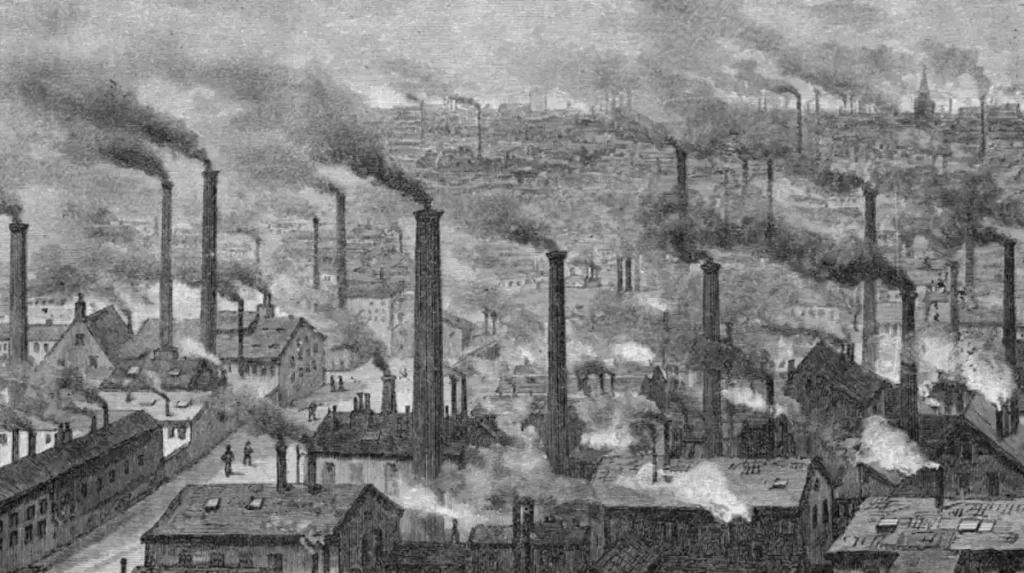
- Urbanization and Labor: Industrial towns (such as Manchester, Birmingham, and Sheffield) emerged quickly where they had once been villages. Rural workers relocated to urban areas to find work, which led to an insatiable demand for housing and terrible living conditions.
- The Rise of the Working Class: An industrial working class began to emerge, with long hours, low wages, and dangerous environments. Some of them campaigned for labor rights as well.
- Middle-Class Growth: Merchants, factory owners, and business owners significantly benefited from industrialization and now form a wealthy and influential middle class.
- Global Influence: Britain’s industrial success allowed it to control global trade and expand its empire further, converting industrial technology across the globe.
Was Britain Unique in Its Industrial Path?
Industrialization would ultimately develop Europe, America, and Asia; it was Britain that was the first nation to develop. The combination of Britain’s natural resources (coal and iron), geography (navigable rivers and ports), political stability, and innovation in scientific inquiry frame Britain as unique. Some other countries adopted industrial practices some decades later; the first-mover advantage meant Britain was the workshop of the world in the 19th century.
The Industrial Revolution and Early Modern Identity
To decide if the Industrial Revolution belonged to early modern Britain, we must conceptualize it in the manner of transitions. The early modern period formulated the preconditions, while the revolution itself served as the heralding of modernity.
Modern Britain was still rooted in agricultural practices; with industrialization, there was also a shift in the economy from farming to machines and urban centers.
More specifically, the revolution can be viewed as a midpoint between early modern Britain and modern Britain. Although rooted in the late early modern context, the revolution’s full implications belong to modern history.
Lessons from the Industrial Revolution of Early Modern Britain
- Innovation Needs Foundations: In addition to scientific developments and advances in agriculture, the early modern period was formulated upon technical innovations (that are not particular to the revolution).
- Institutions Matter: Political stability, property rights, and property meet public and private investments and risks possible.
Global Connections Fuel Growth: Colonial differences brought both raw materials and new markets that would interconnect Britain’s economy with the world.
