

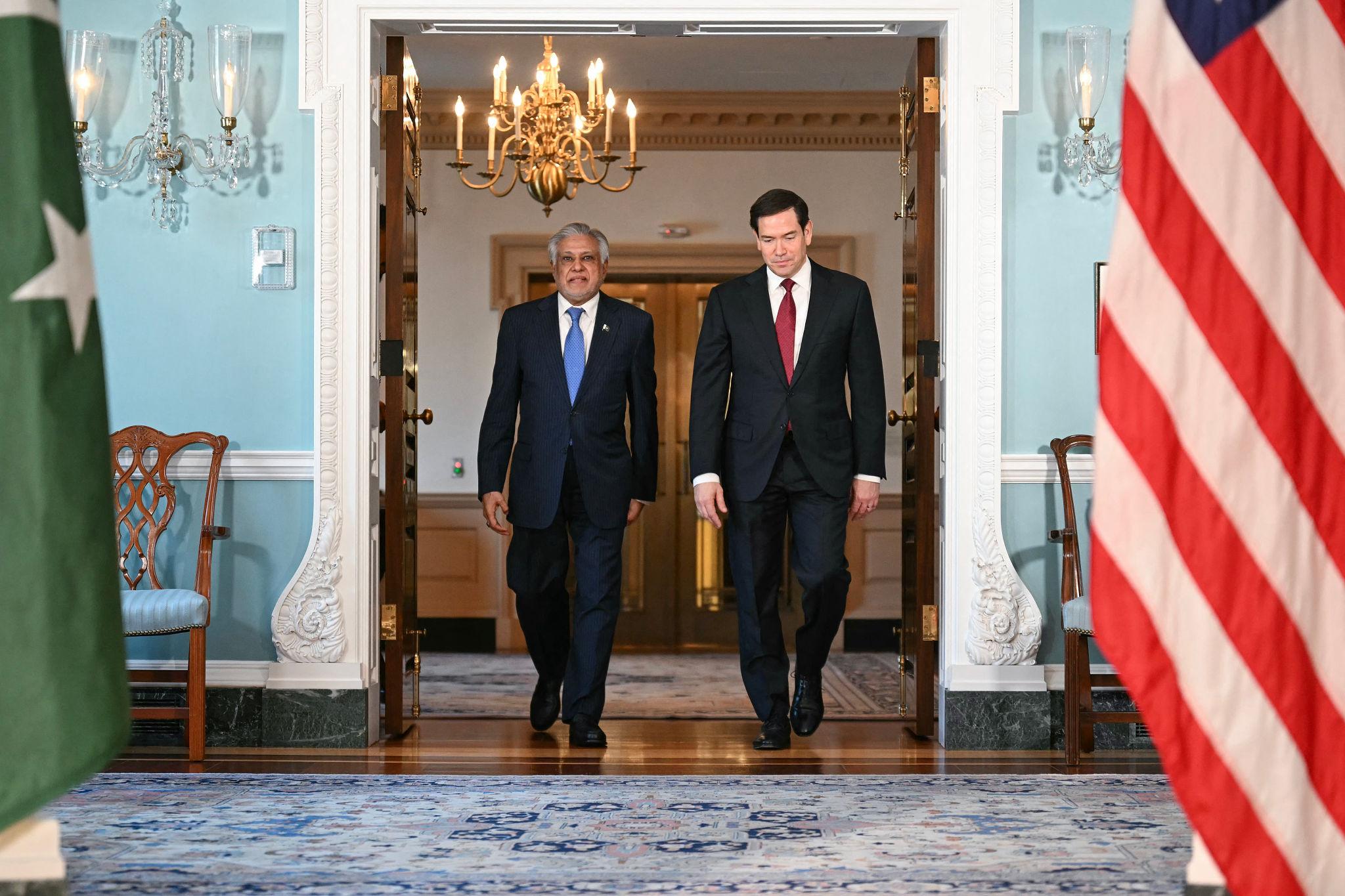
White House diplomacy takes center stage in Washington 2026 as officials link Gaza reconstruction to regional security commitments.
The administration outlines a structured framework aimed at stabilizing the region while accelerating humanitarian recovery efforts.
Global leaders closely watch developments as diplomatic negotiations shape the next phase of Middle East policy.
Washington, United States – February 19, 2026 — According to Parliament News, that White House diplomacy returned to the global spotlight this week as senior administration officials convened in Washington to outline a structured strategy linking Gaza reconstruction to long term regional stability. The initiative, presented as a coordinated diplomatic effort, places humanitarian recovery and enforceable security commitments within a single framework designed to prevent renewed conflict while accelerating rebuilding efforts.
Officials confirmed that the meeting focused on establishing measurable benchmarks for reconstruction funding, oversight mechanisms for aid distribution, and cooperative regional engagement. In 2026, White House diplomacy is being positioned as the central channel through which international consensus can be forged on Gaza’s future.
Strategic Reset in Washington
The administration’s latest engagement reflects a recalibration of foreign policy priorities amid evolving regional tensions. Rather than pursuing fragmented negotiations, policymakers are consolidating dialogue into a centralized structure. By strengthening White House diplomacy, Washington aims to restore predictability and credibility in its Middle East engagement.
Senior advisers described the initiative as milestone driven and performance based. Economic aid packages would be linked to compliance indicators designed to maintain calm and deter escalation. Analysts note that this approach attempts to blend accountability with urgency, a balance often difficult to sustain in post conflict environments.
Observers say the framework signals renewed American intent to coordinate donor states, regional governments, and multilateral institutions under a single diplomatic umbrella.
Gaza Reconstruction at a Critical Juncture
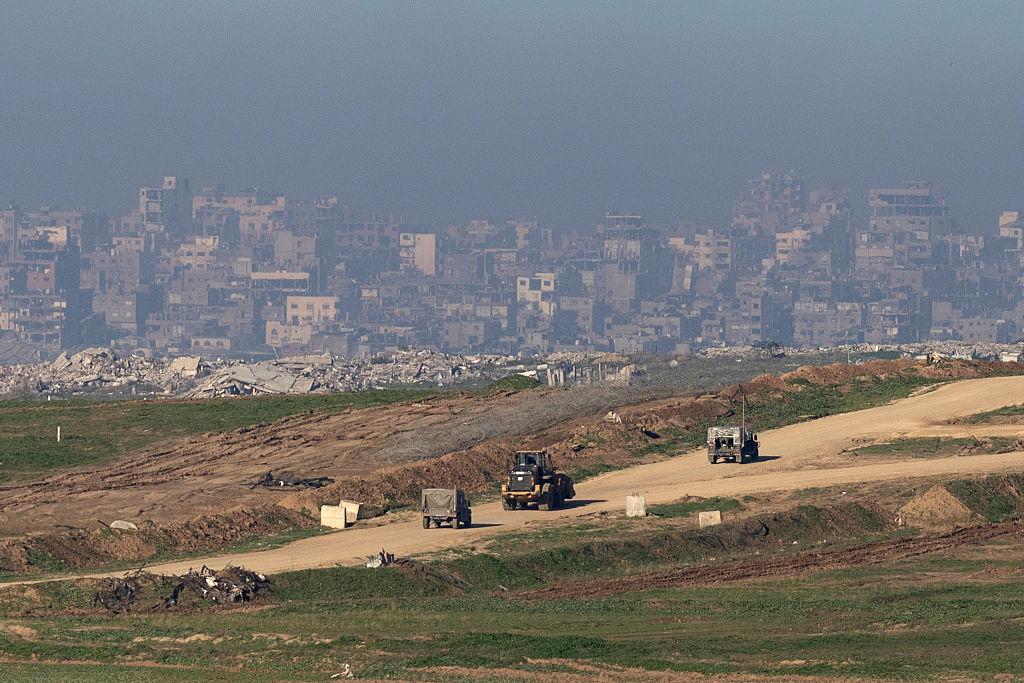
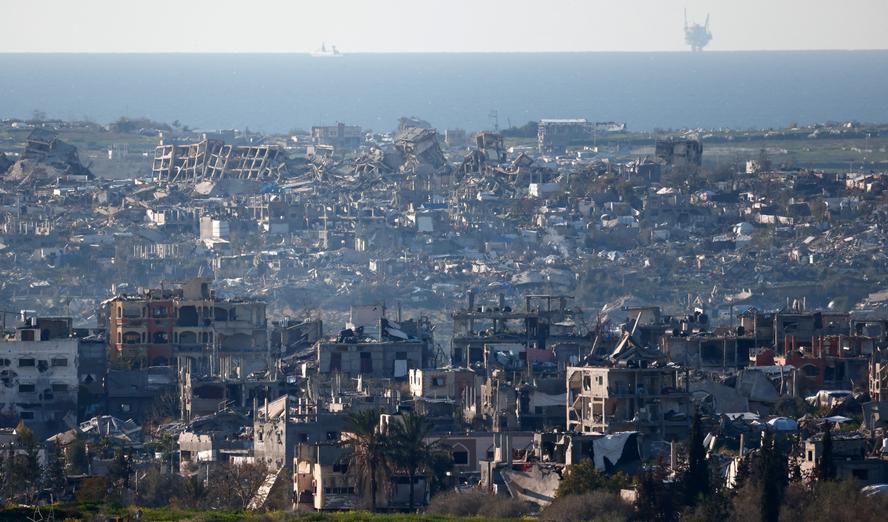
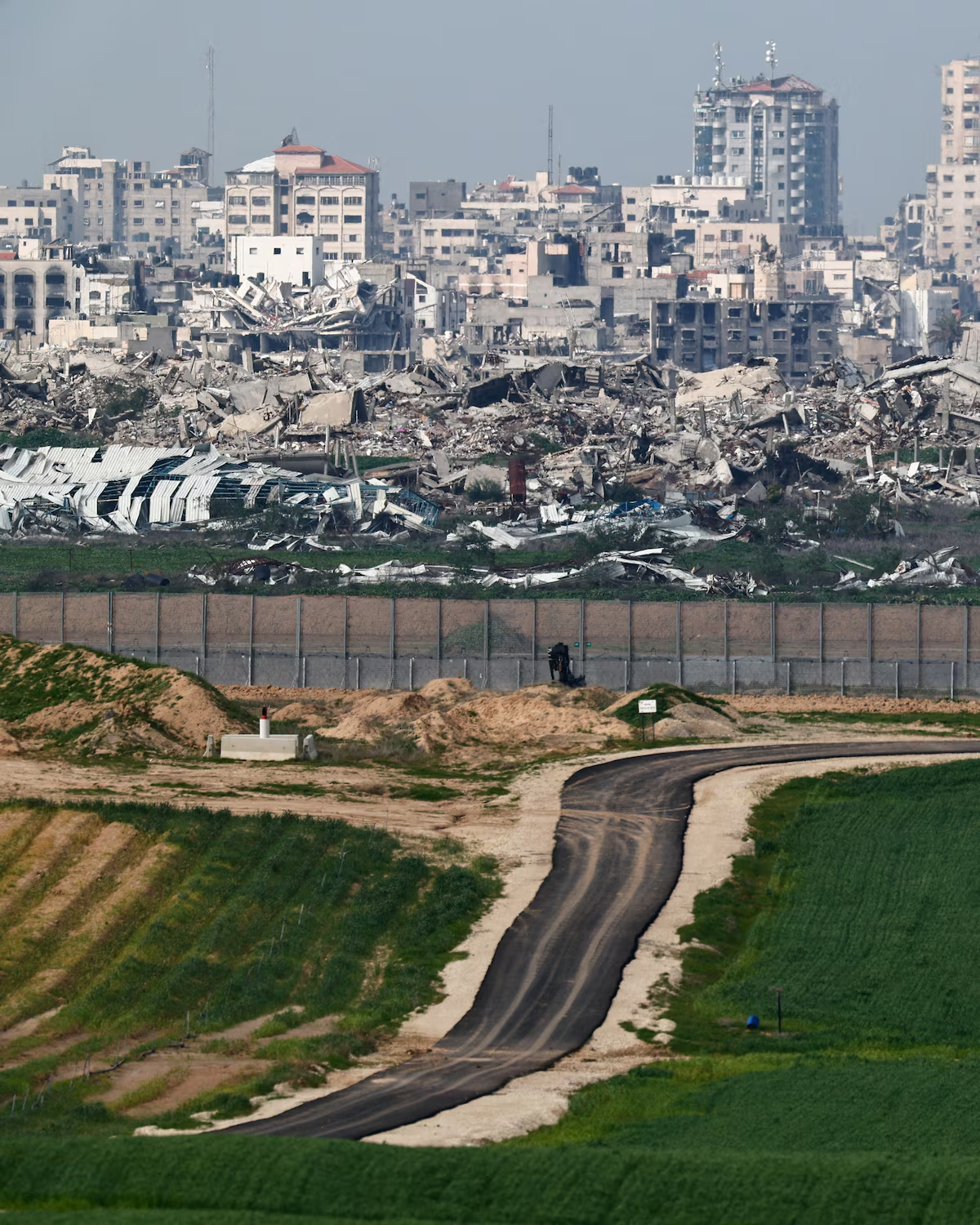
Gaza’s infrastructure challenges remain extensive. Housing shortages, strained water systems, disrupted electricity grids, and limited healthcare capacity continue to affect daily life. International financial institutions estimate that comprehensive rebuilding will require sustained multi year funding commitments.
White House diplomacy seeks to ensure that aid contributions are protected through transparent oversight and structured implementation. Officials emphasized that reconstruction cannot proceed in isolation from broader governance reforms and security safeguards.
Humanitarian agencies welcomed renewed coordination but stressed the importance of speed. Families displaced by conflict remain in temporary shelters, and unemployment levels remain high. Rebuilding schools, hospitals, and transportation corridors is essential for restoring economic momentum.
Security Benchmarks and Enforcement Mechanisms
Security conditions remain central to negotiations. Administration representatives highlighted the need for measurable commitments aimed at reducing the risk of renewed violence. Discussions reportedly included monitoring frameworks, regional cooperation arrangements, and phased compliance reviews.
White House diplomacy in 2026 emphasizes the integration of development incentives with security milestones. Defense experts argue that aligning reconstruction funds with enforceable standards could increase stability while encouraging regional collaboration.
Critics caution that excessive rigidity might delay humanitarian progress. Supporters contend that durable calm depends on clear accountability mechanisms.
International Reactions and Diplomatic Alignment
European and Middle Eastern governments responded cautiously but constructively. Several leaders expressed willingness to engage through structured dialogue channels. Others called for broader inclusion of local stakeholders in any finalized agreements.
White House diplomacy is expected to serve as the coordination hub for multilateral funding conferences and policy consultations. Diplomatic sources indicate that additional meetings with regional partners are scheduled in the coming months.
Energy markets and trade routes remain sensitive to regional stability. Economists suggest that consistent diplomatic engagement may positively influence investor sentiment across interconnected sectors.
Domestic Political Considerations
Within the United States, congressional leaders have signaled interest in oversight mechanisms tied to reconstruction funding. Bipartisan committees are expected to examine fiscal safeguards and transparency standards.
Supporters argue that proactive White House diplomacy reinforces America’s global leadership role. Critics question whether diplomatic engagement alone can secure lasting peace. Public opinion surveys reveal divided perspectives on the scale and scope of American involvement abroad.
Nonetheless, administration officials maintain that structured engagement remains the most viable path toward sustainable recovery.
Humanitarian Imperatives
The civilian dimension remains urgent. Access to clean water, electricity, healthcare, and education continues to shape daily realities in Gaza. Aid organizations emphasize that reconstruction is not merely an economic project but a humanitarian necessity.
White House diplomacy incorporates these concerns into its broader security framework. Policymakers argue that development and stability are mutually reinforcing objectives rather than competing priorities.
One senior official stated,
“Diplomacy succeeds when reconstruction delivers dignity, security, and opportunity at the same time.”
This remark reflects the administration’s attempt to frame negotiations as a pathway toward tangible improvements in civilian life.
Economic Renewal and Infrastructure Development
Reconstruction planning includes phased restoration of critical utilities and modernization of public infrastructure. Proposals under review reportedly address renewable energy upgrades, digital infrastructure expansion, and job training initiatives.
Financial analysts note that private sector participation may increase if transparent oversight mechanisms are implemented. White House diplomacy aims to provide the coordination necessary for multilateral financing arrangements and investor confidence.
Long term economic sustainability will depend on governance reforms, trade facilitation, and cross border cooperation.
Historic Comparison
Past diplomatic efforts offer perspective on the current initiative. In previous decades, centralized negotiations in Washington played a decisive role in facilitating regional agreements. While contexts differ, historical precedents illustrate how sustained engagement, structured oversight, and phased implementation can contribute to stability.
White House diplomacy today draws lessons from those earlier frameworks, emphasizing accountability and measurable milestones. Analysts caution, however, that success depends not only on structure but also on political will among regional actors.
Communication Strategy and Public Messaging
Transparent communication remains essential for sustaining support. Officials outlined plans for regular briefings and policy updates as negotiations evolve. Clear messaging is intended to maintain domestic and international confidence.
White House diplomacy is being presented as adaptable and results oriented. By emphasizing humanitarian outcomes alongside security measures, the administration seeks to build broad consensus.
Regional Economic Implications
Stability in Gaza has implications extending beyond immediate reconstruction. Trade flows, tourism prospects, and energy transit routes are influenced by regional calm. Economists highlight that diplomatic consistency can reduce volatility and support broader economic growth.
White House diplomacy thus operates not only as a political instrument but also as an economic stabilizer within interconnected global markets.
Oversight and Accountability Framework
Transparency mechanisms are central to the diplomatic blueprint. Independent auditing, phased funding disbursement, and regional monitoring partnerships are reportedly under discussion.
White House diplomacy emphasizes accountability to reassure donor nations and taxpayers. Experts note that credible enforcement provisions can strengthen long term compliance.
Media Coverage and Global Perception
International media outlets have framed the initiative as a significant moment in 2026 diplomacy. Analysts highlight the symbolic weight of centralized engagement in Washington.
White House diplomacy is increasingly viewed as a test of American influence and capacity to coordinate complex multilateral efforts.
Long Term Outlook
As negotiations continue, the trajectory of Gaza’s recovery will depend on sustained engagement and consistent implementation of agreed milestones. Observers stress that diplomacy must remain active beyond initial announcements.
White House diplomacy stands at the center of efforts to integrate reconstruction, security, and regional cooperation into a unified framework. The months ahead will determine whether structured engagement translates into measurable progress.
A Defining Chapter in 2026 Statecraft
In Washington this year, White House diplomacy has emerged as a focal point of international attention. The initiative seeks to align humanitarian recovery with enforceable stability measures, reflecting lessons drawn from past diplomatic experiences.
If milestones are met and cooperation persists, this structured approach could serve as a blueprint for future conflict resolution efforts. Should challenges arise, adjustments may be required to maintain momentum.
For now, policymakers emphasize sustained coordination, transparent oversight, and inclusive dialogue. In 2026, White House diplomacy represents both a strategic recalibration and a broader test of modern statecraft in addressing complex regional crises.