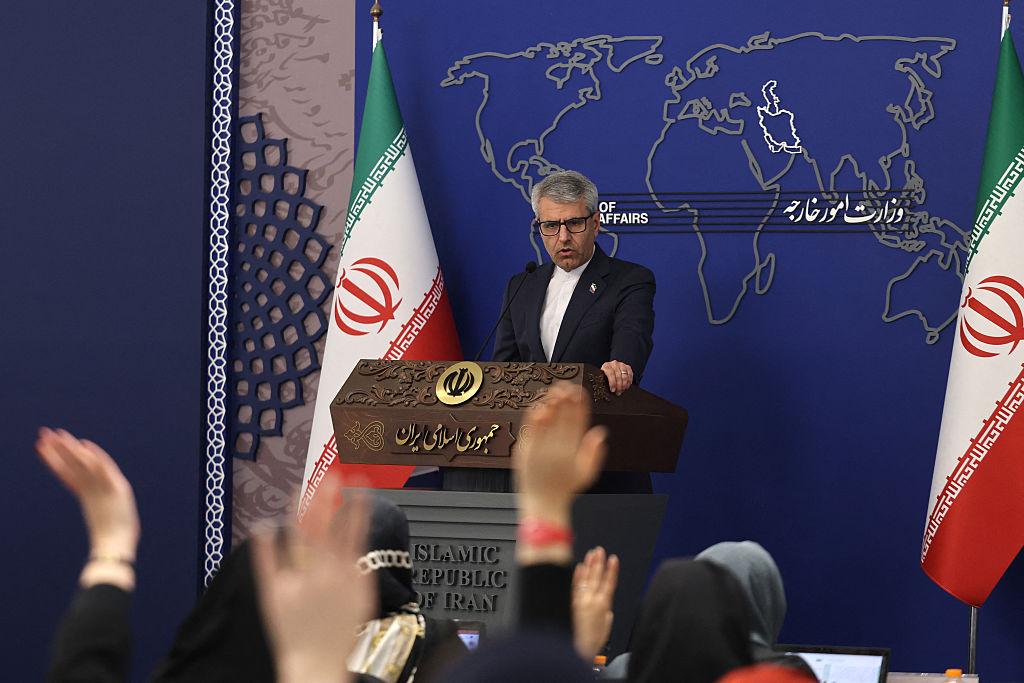
Tehran, Iran — March 18, 2026 — Parliament Politics Magazine — Iran security operation intensifies as authorities report the arrest of multiple individuals accused of espionage and links to foreign intelligence networks. The crackdown comes amid escalating conflict and heightened national security concerns across the region.
Major Crackdown Targets Alleged Spy Networks
The Iran security operation reportedly involved coordinated raids across several provinces, leading to the detention of dozens of suspects. Officials claim the individuals were part of organized networks gathering sensitive information for foreign actors.
Authorities say the Iran security operation successfully disrupted communications and dismantled cells believed to be working against national interests. The arrests reflect a broader push to tighten internal security during a period of conflict.
Escalating Conflict Drives Security Measures
The Iran security operation is unfolding against the backdrop of an expanding regional conflict involving the United States and its allies. As tensions rise, intelligence activity has become a critical component of strategic competition.
Recent reports indicate that hundreds of individuals have been detained on suspicion of leaking sensitive data or collaborating with foreign entities.
The Iran security operation highlights how governments are responding to perceived threats with increased surveillance and enforcement actions.
Claims of Foreign Influence and Covert Activity
Officials allege that those arrested were involved in espionage activities, including transmitting information about military sites and strategic infrastructure. Some suspects are believed to have used advanced communication tools to coordinate their actions.
The Iran security operation has also targeted individuals accused of supporting opposition movements, including pro-monarchy groups seeking political change.
Authorities argue that such measures are necessary to prevent destabilization and protect national sovereignty.
International Reaction Raises Questions
The Iran security operation has drawn mixed reactions from the global community. While some governments acknowledge the importance of national security, others have called for transparency and due process.
Human rights organizations have expressed concern about the scale of arrests and the potential for misuse of security laws. Critics argue that such operations can sometimes be used to suppress dissent.
The Iran security operation is likely to remain a point of debate in international forums.
Impact on Regional Stability
The Iran security operation could have broader implications for stability in the Middle East. As tensions escalate, actions taken within one country often influence dynamics across the region.
Analysts warn that continued crackdowns and accusations of espionage may increase mistrust between nations, complicating diplomatic efforts.
The Iran security operation underscores the fragile balance between security enforcement and regional stability.
Public Messaging and Domestic Response
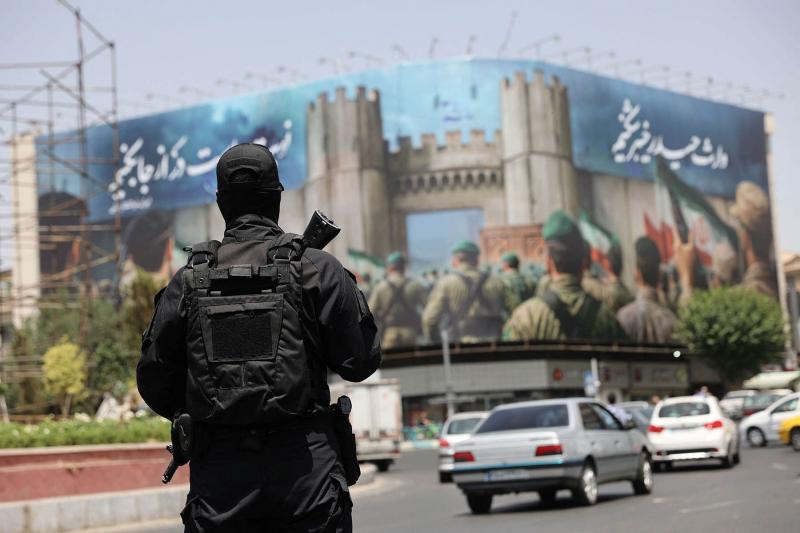
Inside Iran, the Iran security operation is being presented as a decisive step to protect the country from external threats. Officials have emphasized vigilance and national unity in the face of ongoing conflict.
Public reaction appears divided, with some supporting the government’s actions while others express concern about the broader impact on civil liberties.
The Iran security operation has sparked discussions about security, governance, and the future direction of the country.
Information Warfare and Competing Narratives
The Iran security operation also highlights the growing role of information warfare. Competing narratives are emerging, each attempting to shape public perception and influence global opinion.
Digital platforms have amplified the story, making it a key issue in international discourse. The Iran security operation demonstrates how quickly such developments can gain global attention.
Growing Pressure for Transparency and Legal Clarity
Human rights organizations are increasingly calling for transparency, urging authorities to ensure clear legal procedures and protections for those detained. Concerns are being raised about how such operations are conducted and whether proper safeguards are in place.
International observers emphasize the importance of upholding legal standards, warning that security measures must not come at the expense of fundamental rights. The situation has reignited broader discussions about the balance between national security and individual freedoms.
Rising Uncertainty as Tensions Escalate
The latest developments have added new uncertainty to an already volatile environment. With tensions continuing to build, the risk of further escalation remains a serious concern for both regional and global stability.
Experts highlight that sustained diplomatic engagement will be critical in preventing the situation from worsening. Without meaningful dialogue, the path forward could become increasingly unpredictable.
These events serve as a reminder of the complex challenges shaping the region in 2026, where security concerns and political dynamics remain deeply intertwined.
Strategic Insight for Higher Engagement
“In times of conflict, intelligence battles often unfold quietly—but their consequences can reshape entire regions.”
Security Crisis Brief
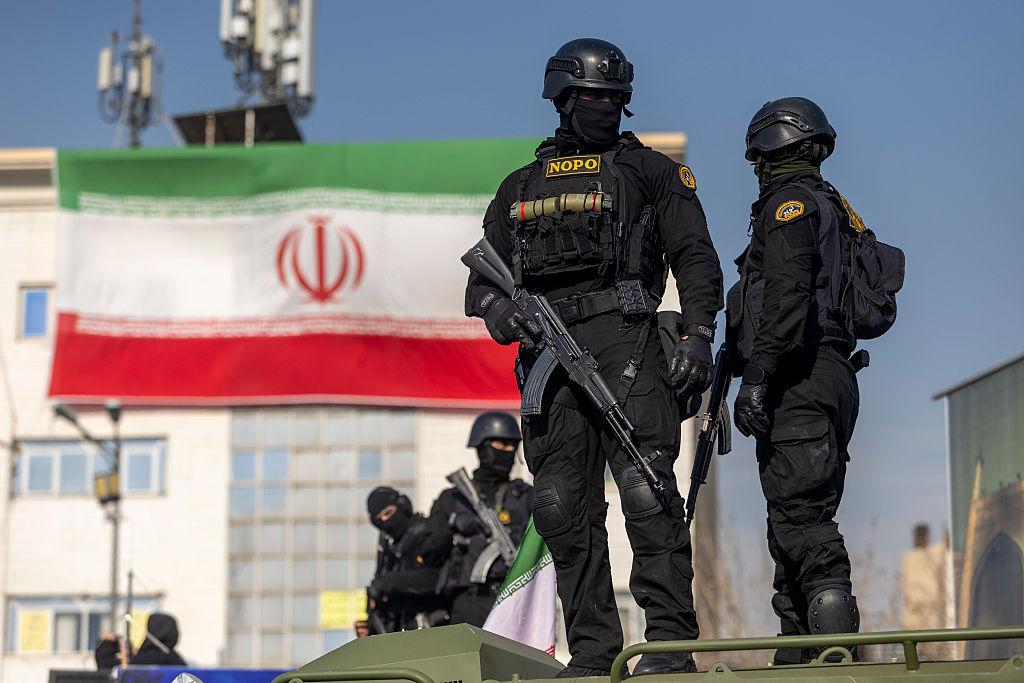
The Iran security operation has led to the arrest of suspected spies and the dismantling of alleged networks in 2026, intensifying global attention on the region. As tensions rise between Iran and Western powers, the crackdown reflects growing concerns over espionage and internal stability.
While authorities frame the operation as a necessary security measure, questions remain about its broader implications. The situation continues to evolve, with significant impact on regional dynamics and international relations.