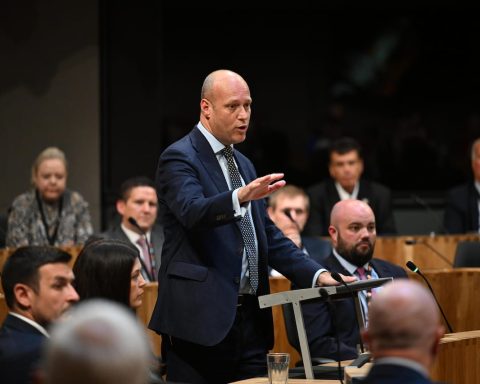
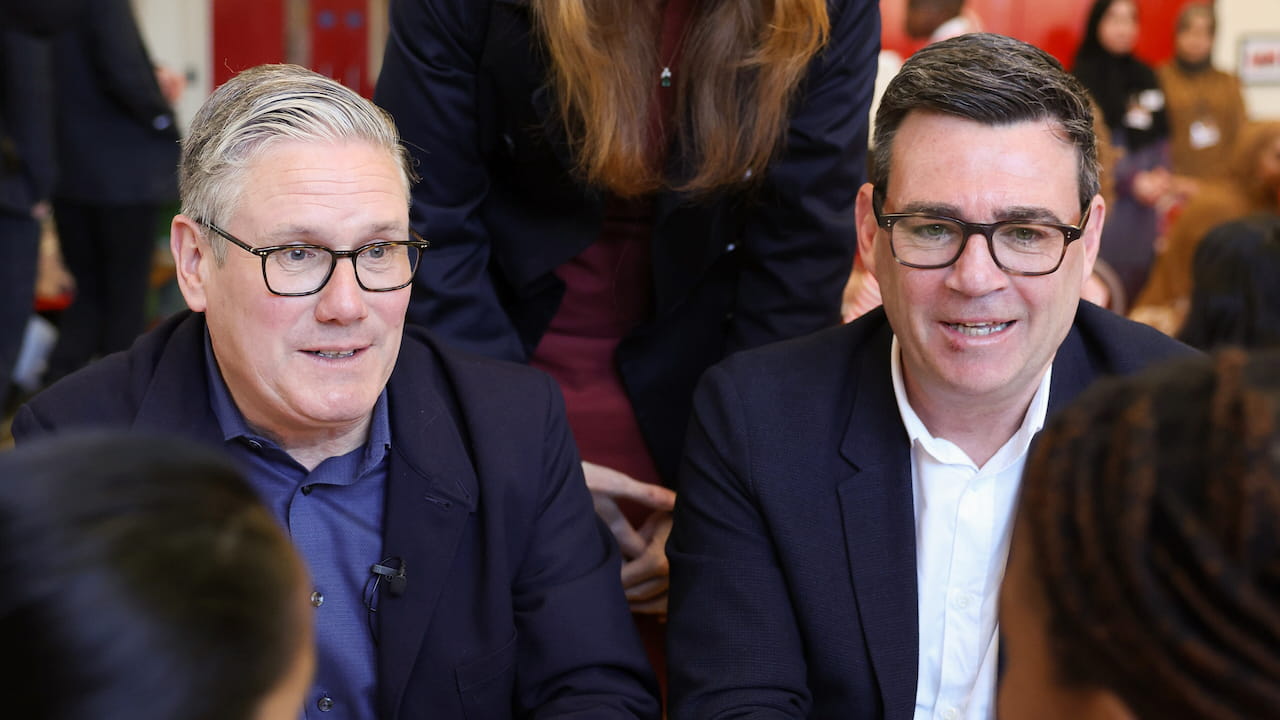
MANCHESTER, June 29 (Parliament Politics Magazine) – Andy Burnham has announced a radical strategy to reshape the United Kingdom’s political system. Speaking at the People’s History Museum, the frontrunner to become Britain’s next prime minister outlined a vision to decentralize power away from London. Following the announcement from Keir Starmer that he is stepping down, Burnham is widely expected to be appointed as the new Labour leader and prime minister by July 20, 2026.
His proposal targets the established approach to governance, which he argued has failed to improve living standards across the nation. Burnham, who was returned to Parliament for the area of Makerfield on June 18, described his objective as a circuit breaker for British politics. He intends to move authority out of the center and into the hands of regional leaders and local communities.
Establishing Number 10 North
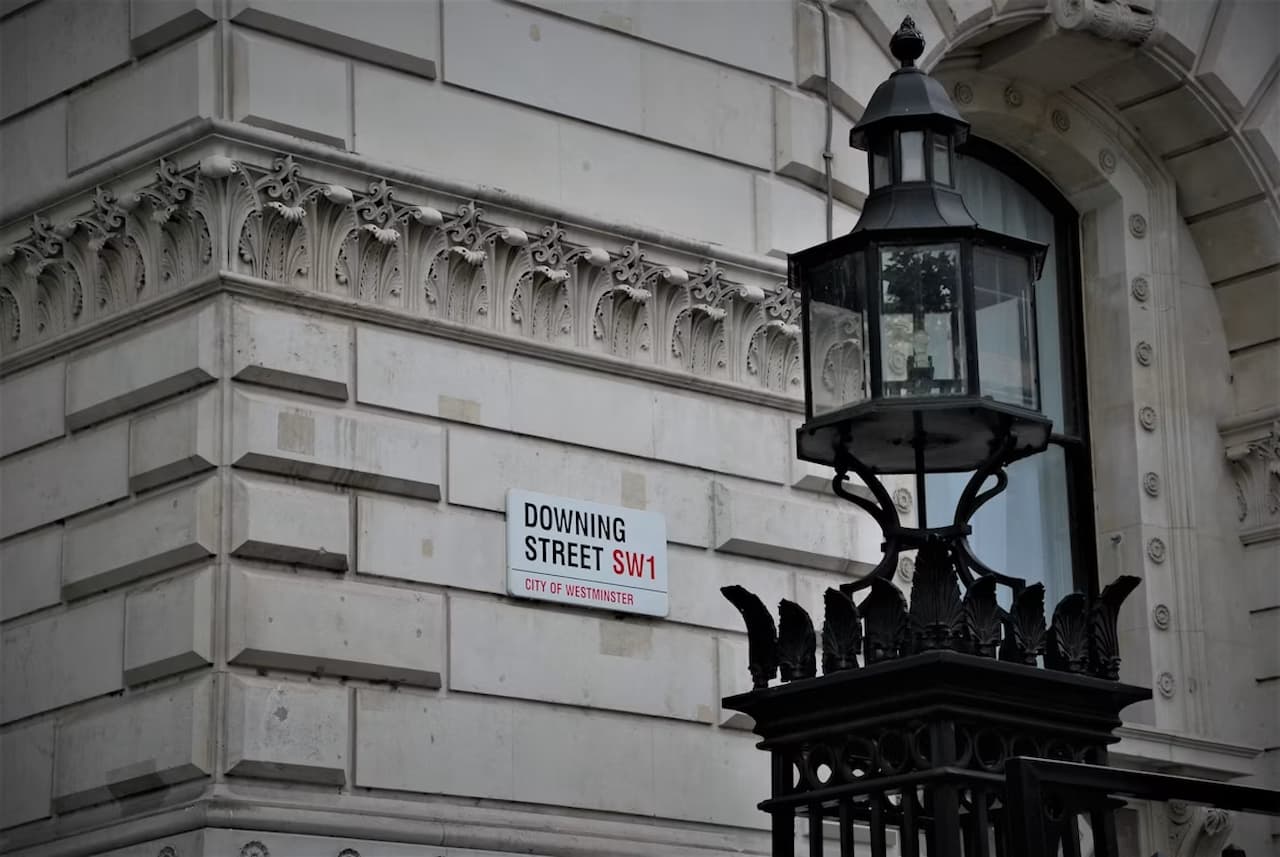
A cornerstone of the reform plan is the creation of a secondary prime ministerial operation based in Manchester. This office, referred to as Number 10 North, is intended to serve as the nerve center for a rewired Britain. The secondary seat of government would focus specifically on housing, the reform of public utilities, and national reindustrialization.
By establishing a permanent ministerial presence in the north, the incoming administration aims to bridge the gap between national policy and local delivery. The move is designed to ensure that regional perspectives are integrated into the heart of decision-making. This structure represents a shift in how the government interacts with regions that have felt neglected by previous administrations.
Massive Housing and Utility Reform
Burnham has committed to launching the largest council housebuilding initiative in the UK since the end of World War II. This project is positioned as a primary response to the national cost-of-living crisis. Beyond housing, the blueprint promises to grant local governments increased control over public utilities, including water and energy services.
The strategy aims to rebalance power by shifting authority from national departments to regional and local tiers of government. By granting local officials greater influence over the services that impact daily life, the government hopes to foster more efficient and responsive public management. This decentralization effort is characterized as the most significant rebalancing of power in modern British history.
Maintaining Economic Stability
While the reform agenda calls for a departure from decades of privatization and austerity, Burnham has moved to reassure financial markets. He explicitly stated that his government would adhere to the UK’s existing fiscal rules and maintain sound public finances. This commitment is intended to prevent volatility and ensure that the transition to a new political model does not disrupt economic stability.
The markets reacted with cautious optimism, as British 10-year government borrowing costs dipped slightly following the speech. Sterling also experienced a minor increase against the U.S. dollar, signaling that investors are watching the adherence to fiscal discipline closely. The focus remains on achieving growth through collaboration rather than increased borrowing.

Reactions from Political Rivals
The vision for a rewired Britain has received mixed responses from across the political spectrum. Within the Labour Party, figures such as former health minister Wes Streeting have signaled support for the plan and have withdrawn potential leadership challenges. This consolidation of support makes Burnham’s path to the premiership increasingly clear.
Opposition figures have been more critical of the proposed changes. Kemi Badenoch, leader of the Conservative Party, argued that the speech lacked policy depth. She claimed that the plan relies too heavily on delegating responsibility to mayors without providing a clear overarching strategy.
Meanwhile, Richard Tice of Reform UK expressed strong disapproval of the leadership transition process. He labeled the expected coronation of Burnham as a coup and called for an immediate national general election. These reactions highlight the significant political challenges that will face the incoming administration.
A Legacy of Regional Leadership
The former mayor of Greater Manchester has built his reputation on a collaborative approach to governance. During his tenure, he worked to align businesses, local politicians, and community groups to deliver on specific regional promises. This experience forms the basis for his national blueprint, which seeks to replicate that model on a broader scale.
“I am going to give Britain the circuit breaker it needs by building a more collaborative politics in Westminster, by taking power out of the centre and putting it in the hands of the people and places who can use it best,” said Andy Burnham during his address.
The 10-year mission to reindustrialize left-behind towns and boost public contract backing for British firms is intended to address long-standing economic disparities. By focusing on technical skills and local economic development, the government hopes to create consistent growth across all regions. The agenda is as much about changing the culture of Westminster as it is about implementing structural reforms.