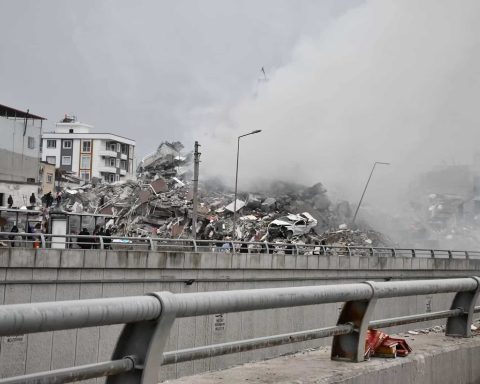
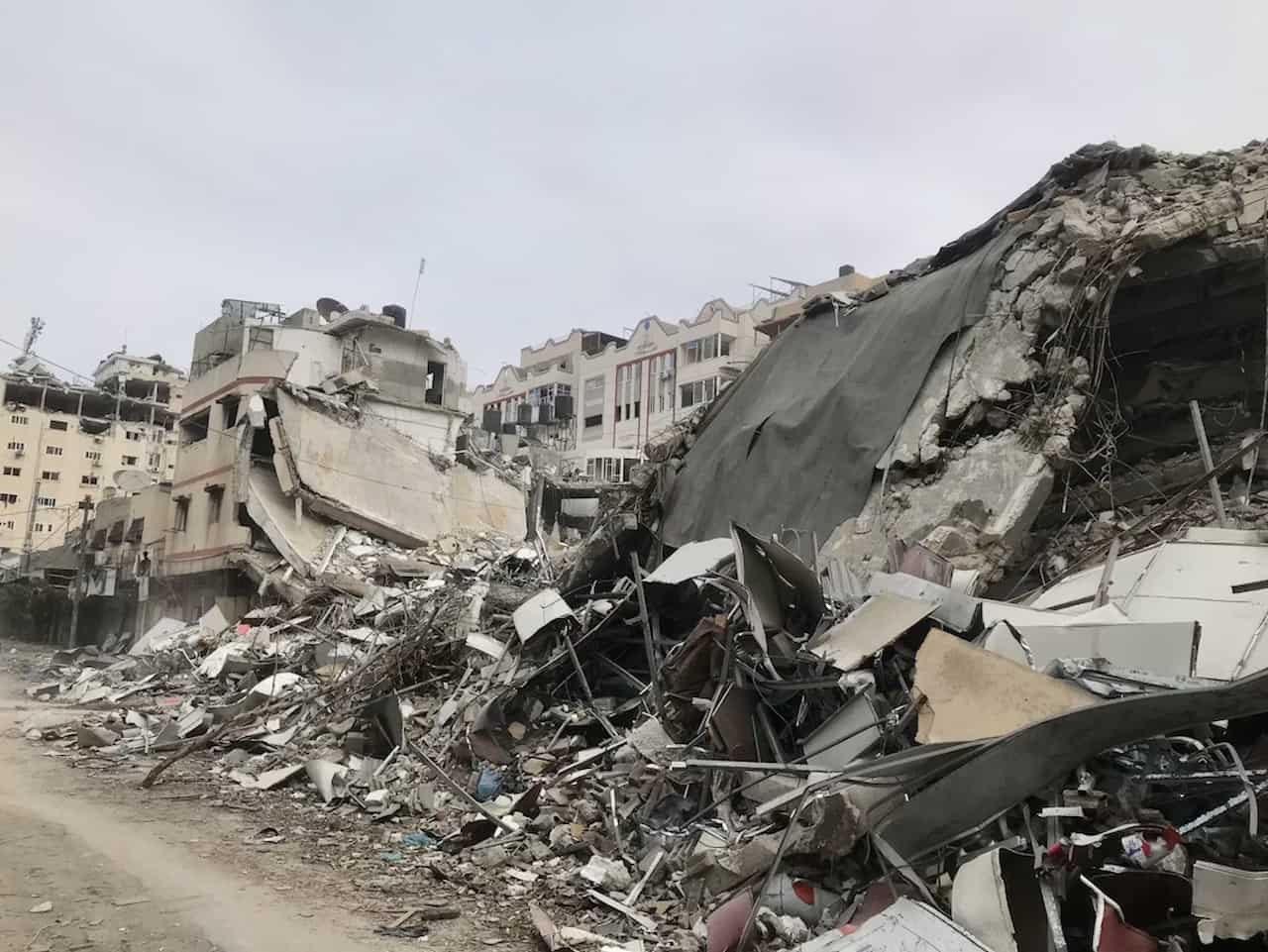
CARACAS, June 29 (Parliament Politics Magazine) – Rescue teams continue to operate in the northern coastal regions of Venezuela, racing against time to reach survivors trapped beneath the debris of buildings that collapsed during last Wednesday’s powerful twin earthquakes. The official death toll has reached 1,450, according to government statements released on Sunday, while officials caution that the final number of fatalities is almost certain to rise as rubble removal efforts extend into their fifth day.
The seismic events, categorized as a rare tectonic doublet, struck the north-central region on June 24 at 18:00 local time. A magnitude 7.2 foreshock was followed only 39 seconds later by a magnitude 7.5 mainshock, causing widespread destruction across seven states, including La Guaira, Carabobo, and the capital city, Caracas.
A race for survival beyond the 72-hour window
While search and rescue specialists typically identify a 72-hour survival window following catastrophic structural failures, recovery teams report that intermittent “miracle” saves are still occurring. By Sunday, the number of confirmed injuries stood at 3,150, with 12,721 people officially registered as displaced.
The logistical challenge remains significant. More than 2,600 specialized rescue workers from 27 nations have arrived in Venezuela to assist, utilizing over 140 search dogs and advanced sonar equipment. Teams from the United States, Spain, Mexico, Turkey, and others are coordinating with local authorities and the United Nations to penetrate high-density debris zones where thousands remain unaccounted for.
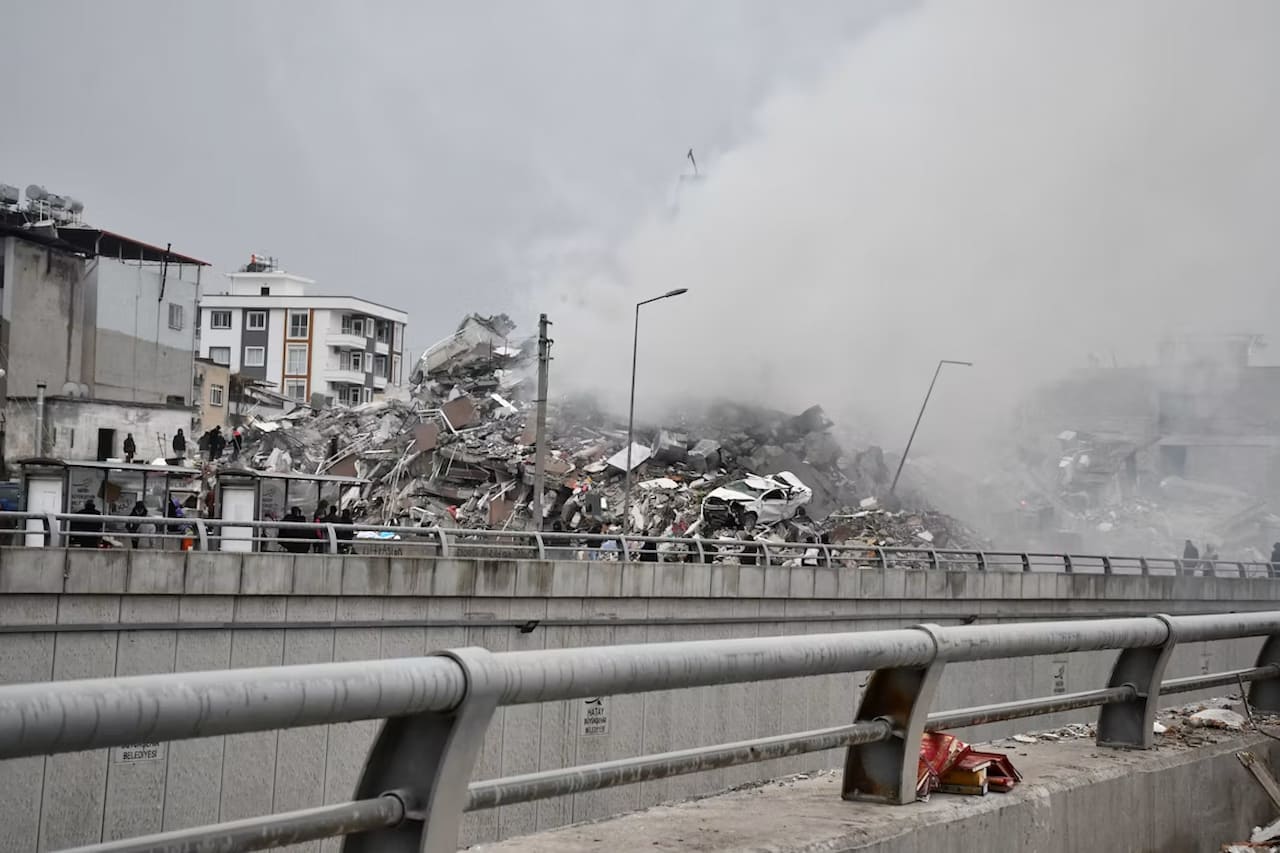
Widespread destruction across northern states
The impact of the twin tremors has left a scarred landscape across the nation’s most populated sectors. According to recent situation reports, at least 2,501 major infrastructure projects sustained damage, including 38 hospitals and 774 buildings that were completely destroyed.
The coastal state of La Guaira has experienced the most severe devastation. Local authorities have designated it a high-priority disaster zone, where the collapse of residential structures has forced thousands to seek shelter in open-air spaces, including local baseball diamonds, which have been transformed into temporary community hubs.
“Rescue and recovery efforts are ongoing. Today we have recovered people alive and, therefore, operations are not being suspended. We always maintain hope,” interim President Delcy Rodriguez stated on Sunday during a press conference held to coordinate the government’s response.
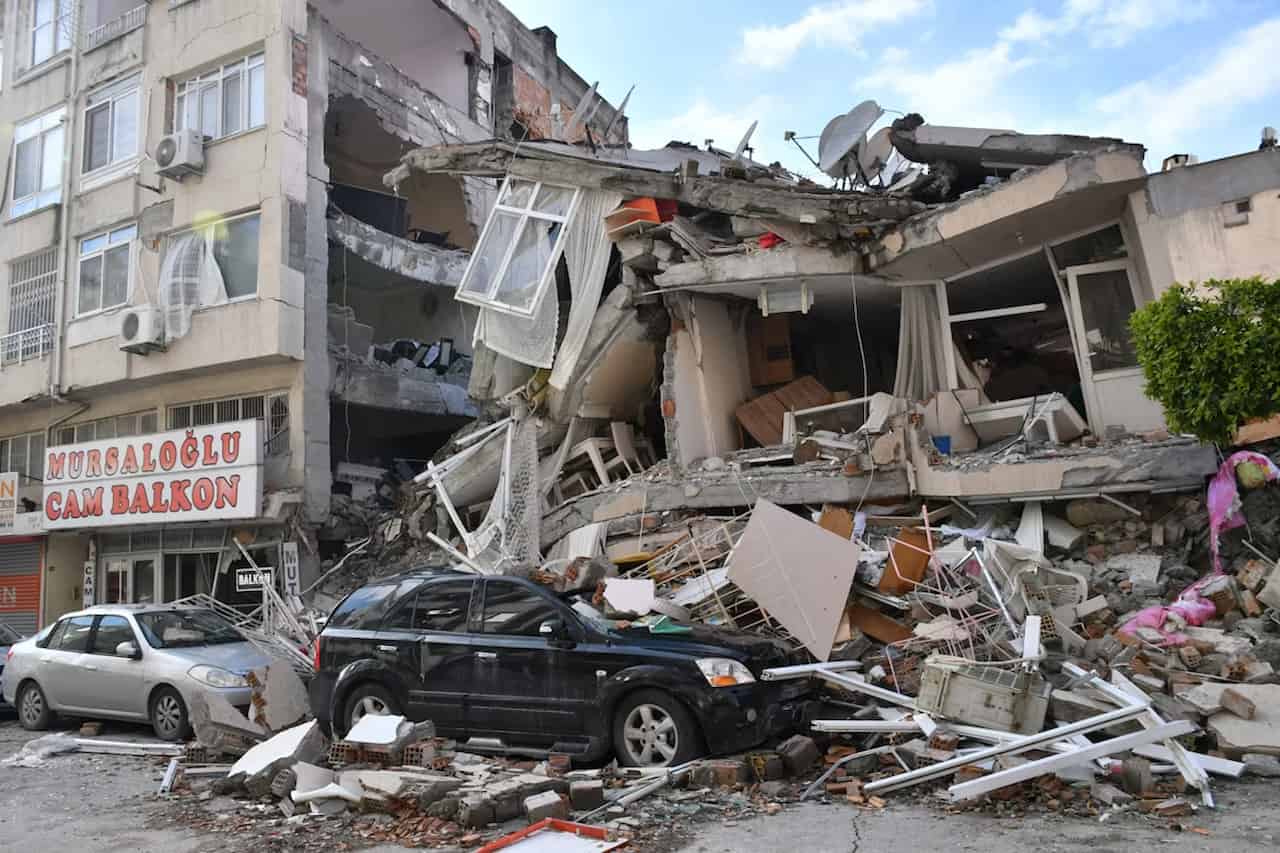
Infrastructure repercussions
Preliminary satellite-based assessments from the United Nations Development Programme (UNDP) estimate that direct physical damage alone has reached $6.7 billion. This figure, calculated through rapid digital analysis, represents roughly 6% of the nation’s gross domestic product. Experts suggest the true economic cost, when accounting for indirect disruptions and long-term reconstruction, could be two to three times higher.
The seismic energy was intense enough to be felt as far as 1,700 kilometers away in the Brazilian Amazon. Power infrastructure suffered significantly, with nighttime satellite imagery indicating widespread outages across Carabobo, La Guaira, and Caracas. In Falcon state, the country’s largest oil refinery, the 645,000-barrel-per-day Amuay facility, suspended operations due to the loss of electrical supply.
Societal Ripples After Tremors
The disaster hits during a period of transition for Venezuela. Interim President Rodriguez, who assumed leadership earlier this year, has faced the complex task of balancing humanitarian relief with the logistical requirements of an international rescue deployment.
The government has formed a special presidential commission to determine the structural habitability of standing buildings, a measure deemed necessary after reports of more than 500 aftershocks following the initial quakes. Authorities have also restricted access to primary roadways in the hardest-hit areas to ensure that emergency vehicles and heavy machinery can navigate the debris without obstruction.
While the government continues to track the disaster through formal channels, the discrepancy in missing-persons data remains a point of public concern. A tracking platform managed by the political opposition reported nearly 50,000 individuals as unaccounted for, a figure that highlights the scale of the anxiety and uncertainty felt by families across the region.
The humanitarian response remains a central focus for international partners. In addition to the thousands of personnel currently on the ground, multi-sectoral aid packages are being assembled to address the needs of an estimated 6.76 million people exposed to the shaking, many of whom require urgent access to clean water, health services, and temporary housing.