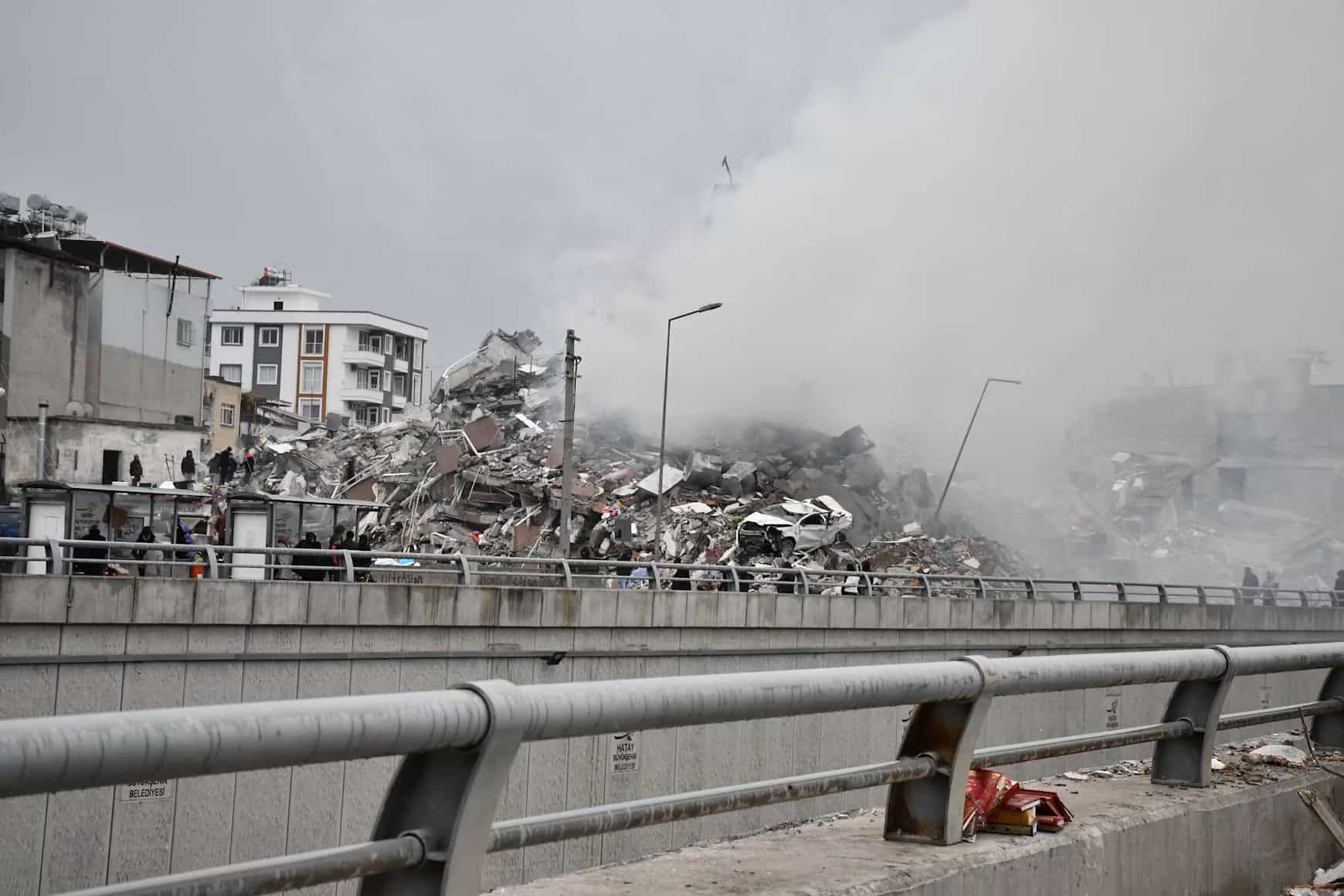
CARACAS, June 28 (Parliament Politics Magazine) – The confirmed death toll from the devastating twin earthquakes in Venezuela rose above 1,400 on Saturday, according to updates from lawmaker Jorge Rodriguez. Rescue operations are intensifying across the country as international aid teams arrive to assist in the search for survivors in the hardest-hit coastal regions.
The disasters struck on Wednesday, with two major quakes registering magnitudes of 7.2 and 7.5. These seismic events occurred just 39 seconds apart along the San Sebastian fault, an area where the Caribbean and South American tectonic plates meet.
Expanding Rescue Efforts
Rescuers have fanned out across the state of La Guaira and sections of Caracas, where thousands of residents have sustained injuries. More than 1,600 foreign rescuers from 17 inbound flights have reached the country to support local teams, with thousands more international personnel expected to follow.
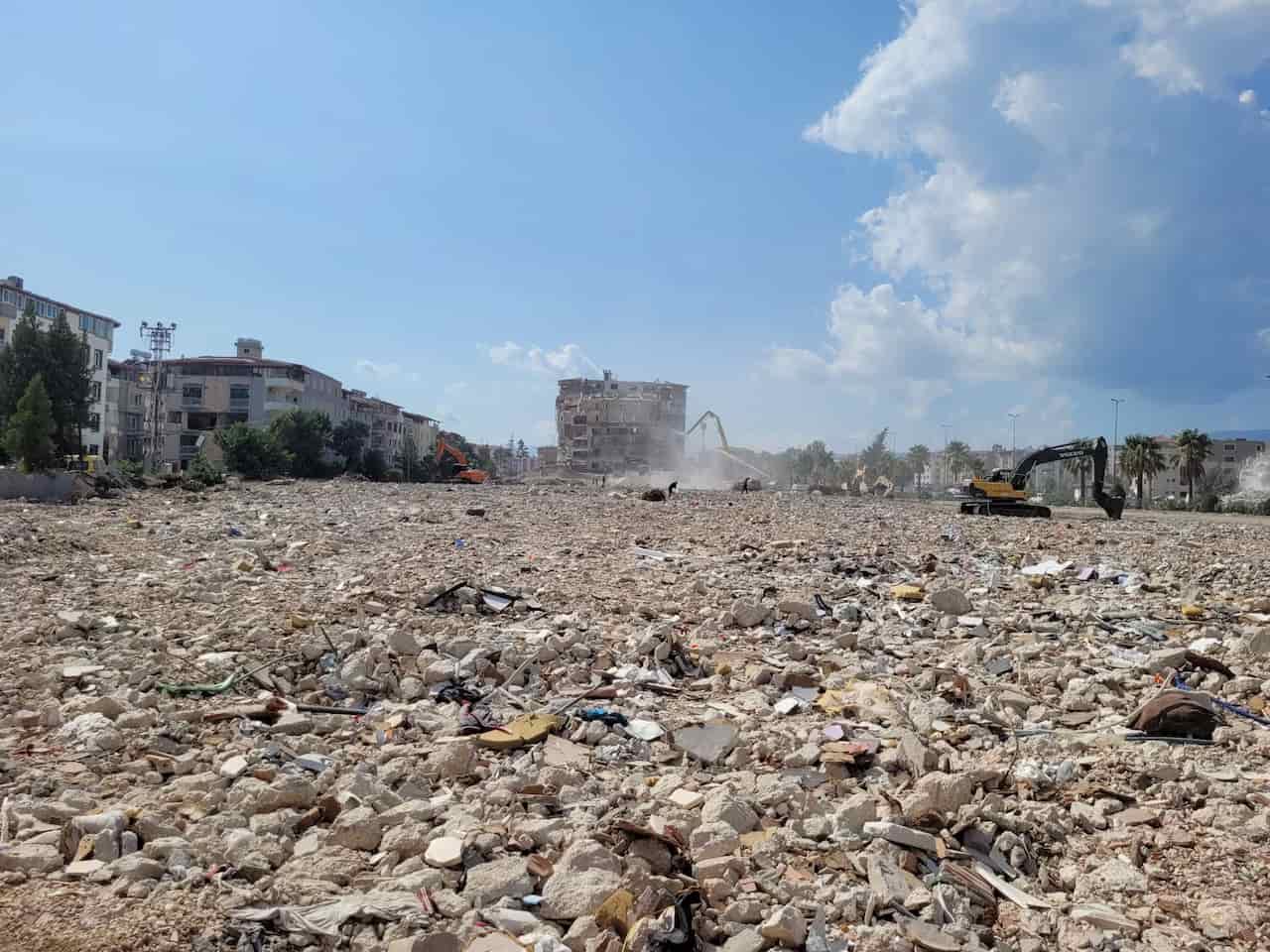
The logistical bottleneck at the international airport near Caracas was cleared, allowing for the processing of global shipments. Heavy machinery has begun operating in areas such as Caraballeda and Los Corales, although many volunteers continue to search through collapsed buildings by hand.
Impact of the Seismic Doublet
Scientific analysis classifies the event as a rare doublet earthquake, where shallow faults at a complex plate boundary released massive amounts of energy. The scale of the destruction is significant, with the United Nations estimating physical losses at $6.7 billion, representing approximately 6 percent of the nation’s gross domestic product.
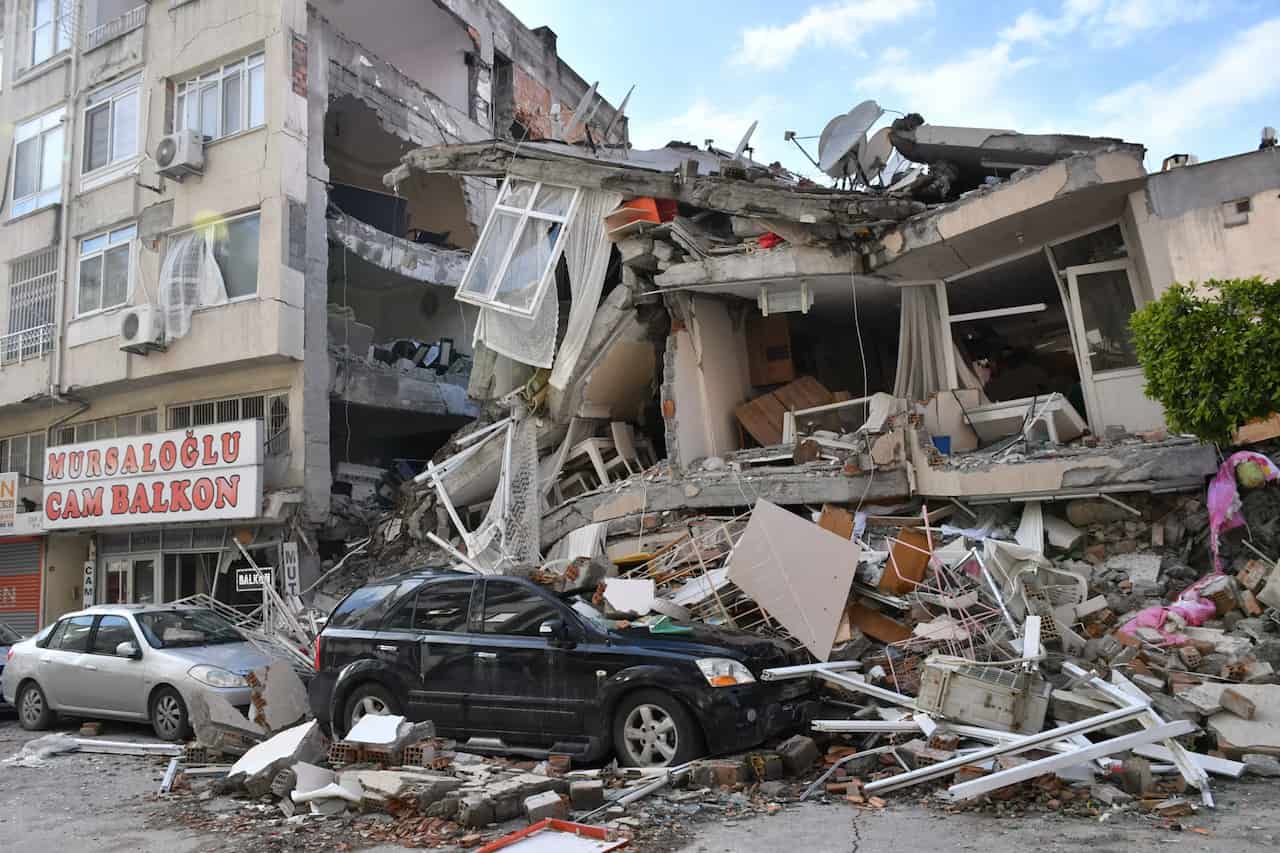
Reports indicate that more than 60,000 structures have been damaged or flattened. The U.S. Geological Survey has projected that the final fatality count could eventually exceed 10,000, which would rank the disaster among the deadliest seismic events in Latin American history.
Challenges on the Ground
Infrastructure remains severely strained, as the local power grid suffers from years of underinvestment and economic sanctions. While power has been restored to 60 percent of the affected zones, hospitals are operating under extreme pressure due to the high volume of wounded patients.
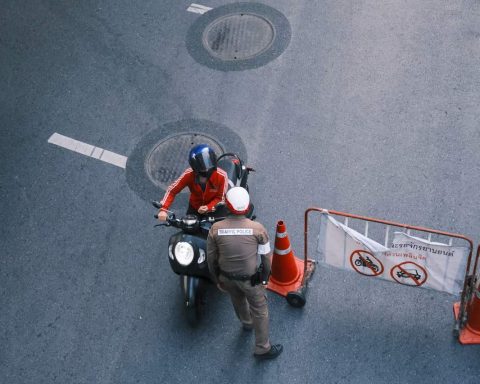
Access to the disaster zones is strictly controlled, with official checkpoints restricting traffic on the main road between Caracas and La Guaira to prioritize emergency vehicles. This policy has led to frustration among some civilian volunteers who reported difficulty reaching affected neighborhoods.
Alejandro Serrano, a 33-year-old engineer, spent days searching for his sister, Ana Serrano, after her home in the Bahía Mar building collapsed.
“I hope they don’t find her” in the rubble, he said, explaining his hope that she survived the initial impact. “But I need to find her.”
Many residents in coastal areas have spent consecutive nights sleeping in the streets due to the fear of recurring tremors. Hundreds of aftershocks, including a significant 5.6 magnitude event, have created highly unstable conditions for those remaining in their homes.
In the small area of Los Corales, local families are managing with limited resources, relying on food donations distributed by truck. Some neighborhoods report structural damage, such as large cracks in walls, even where buildings remain standing.
International Aid Response
The United States has committed $150 million in immediate disaster relief, with officials indicating that a larger funding package is expected to be announced shortly. Aid includes personnel, medical supplies, and logistical support, with U.S. helicopters facilitating the transport of teams to remote landing zones.
Pope Leo offered prayers for the victims and their families during a service in Rome, urging sustained international solidarity. The global community has provided 500 tons of supplies, with aid arriving from 24 countries to bolster the ongoing relief efforts.
The disaster has occurred during a period of intense political fragility. Interim President Delcy Rodriguez assumed power in January following a U.S. intervention that resulted in the arrest of former leader Nicolás Maduro.
While the government reports hundreds of missing persons, opposition-led initiatives suggest that more than 55,000 people are currently unaccounted for. The Venezuelan Football Federation also confirmed that several professional athletes were among those killed during the collapse of various structures.