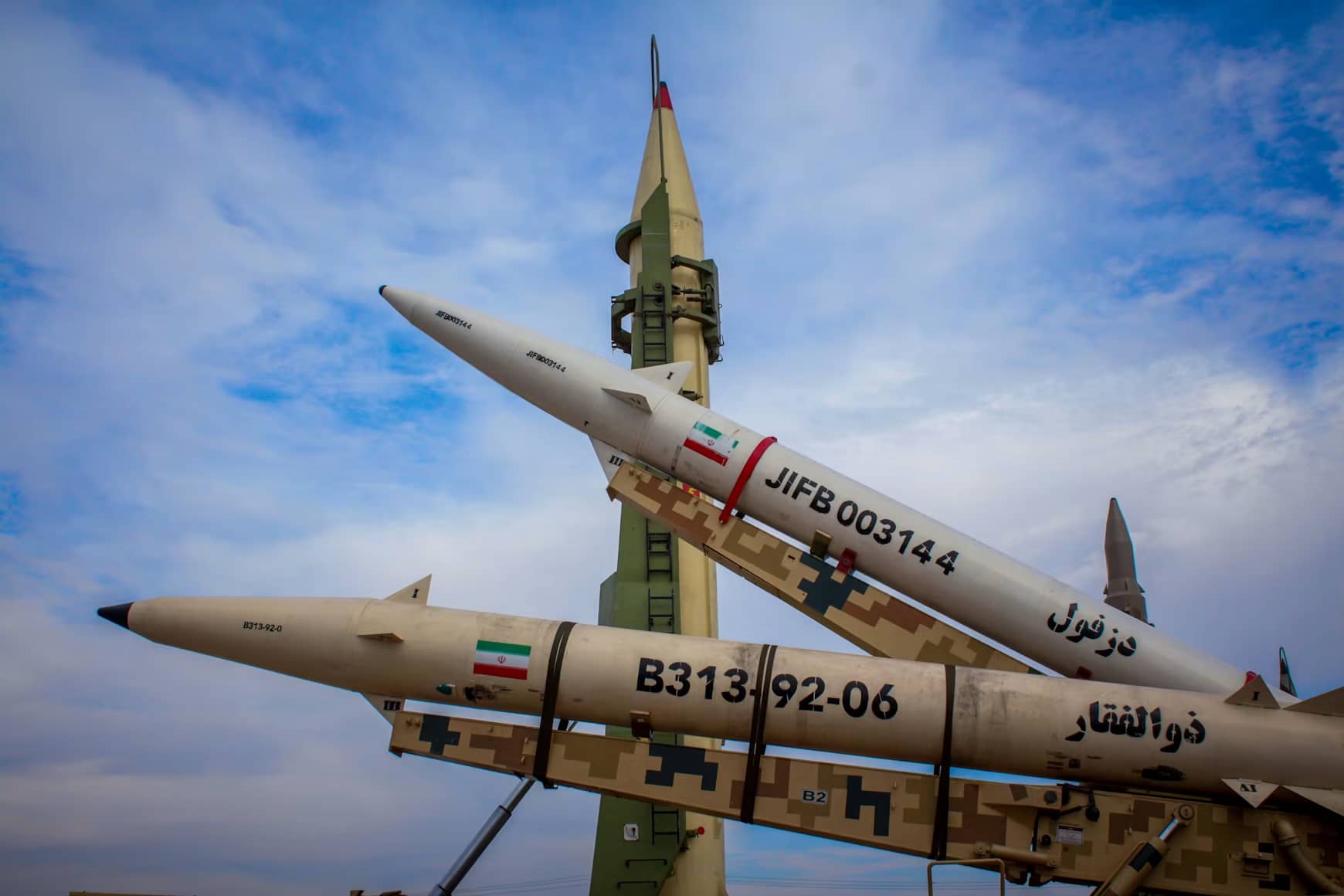
TEHRAN/WASHINGTON, June 28 (Parliament Politics Magazine) – Iran launched a coordinated series of missile and drone strikes against U.S. military installations in Kuwait and Bahrain on Sunday, June 28, 2026. The attacks occurred shortly after President Donald Trump warned that the Iranian leadership faced total eradication if they failed to adhere to the interim ceasefire agreement.
The strikes targeted the Ali al-Salem Air Base in Kuwait and the Fifth Fleet Naval Base in Bahrain. According to the Kuwaiti army, air defense systems successfully intercepted two ballistic missiles, reporting no casualties or significant damage. Conversely, authorities in Bahrain confirmed that an Iranian drone strike damaged a residential building in Muharraq province, though no injuries were reported.
Breakdown of Peace Accord
The 14-point interim peace accord, initially established to halt hostilities that began on February 28, has effectively collapsed. The agreement was intended to reopen the Strait of Hormuz and facilitate ongoing talks regarding Iran’s nuclear program. Tensions resurfaced following a series of maritime incidents, including attacks on commercial vessels in the vital energy shipping route.
President Trump addressed the deteriorating situation on social media, stating:
“There may come a point when we are no longer able to be reasonable, and will be forced to militarily complete the job that we very successfully started. If that happens, the Islamic Republic of Iran will no longer exist!”
The U.S. military confirmed it had initiated fresh strikes on Iranian territory prior to the retaliation. These operations targeted Iranian military surveillance, communications, air defense systems, and drone storage facilities. U.S. Central Command stated these actions were a direct response to continued aggression against commercial shipping, specifically citing an attack on a Panama-flagged tanker in the Strait of Hormuz.
Conflict Over Shipping Lanes
The dispute over the Strait of Hormuz remains a primary driver of the conflict. Washington has actively promoted an alternative shipping lane along the coast of Oman to avoid contested waters. In contrast, Tehran continues to demand that vessels utilize a northern route passing through its territorial waters, a move intended to allow the regime to levy transit fees.
Iran’s foreign minister, Abbas Araqchi, asserted that the responsibility for normalizing maritime traffic in the strait rests with Tehran. He urged external actors to refrain from intervening in what he termed Iran’s administration of the waterway. Despite the volatility, shipping companies have shown limited movement, with the container ship Galapagos recently exiting the strait in what was described by CMA CGM as a milestone in a complex regional environment.
Regional Tensions Persist
Beyond the direct conflict between Washington and Tehran, the broader region remains unstable. In Lebanon, Israel reported strikes against Hezbollah militants in the Nabatieh area on Saturday, despite a separate U.S.-brokered ceasefire agreement.
The Iranian Revolutionary Guard Corps issued a statement declaring that U.S. strikes on Iranian soil violated the ceasefire and effectively halted all diplomatic processes. The group further warned that regional nations hosting U.S. military assets would face consequences if their territory were used for operations against the Islamic Republic. As the situation evolves, Bahrain has formally urged the United Nations Security Council to convene an urgent session to hold Iran accountable for the latest attacks.