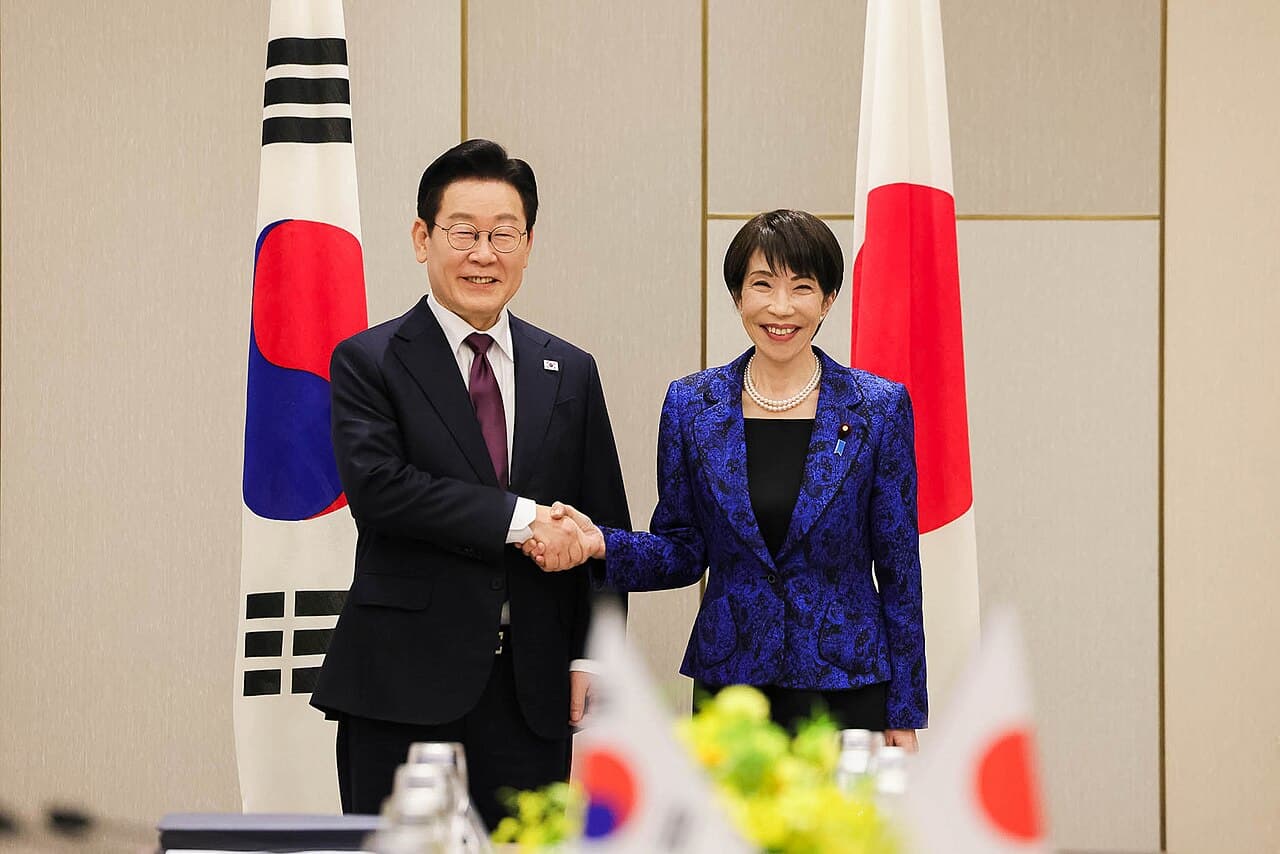
SEOUL, June 28 (Parliament Politics Magazine) – South Korea and Japan reaffirmed their shared commitment to the complete denuclearisation of the Korean peninsula during defense talks held on Sunday. South Korean Defence Minister Ahn Gyu-back and Japanese Defence Minister Shinjiro Koizumi met to address regional security challenges, specifically citing the nuclear ambitions of North Korea and its burgeoning military alliance with Russia.
This sixth round of bilateral discussions marked a significant step in restoring security ties between the two neighbors. The ministers emphasized the necessity of regional stability, agreeing to bolster defense cooperation both bilaterally and through their established trilateral partnerships with Washington.
The defense ministers finalized plans to expand practical military exercises, focusing on humanitarian and operational coordination. A primary outcome was the official revival of joint search-and-rescue maritime drills, the first such exercises conducted by the two nations in nearly a decade.
These maritime efforts are intended to address complex accident scenarios in regional waters. Additionally, the ministries solidified frameworks for air force exchanges, specifically coordinating activities between the South Korean Black Eagles and the Japanese Blue Impulse aerobatic teams.
The discussions moved beyond traditional drills to address modern military requirements, including the development of advanced systems. Both nations committed to future collaboration in the integration of artificial intelligence and the deployment of unmanned weapon systems.
These efforts follow preliminary discussions held earlier this year at the Shangri-La Dialogue in Singapore. The ministers also continued progress toward a formal military-logistics support agreement. This potential deal would facilitate the shared provision of essential supplies, including fuel, food, and ammunition, during joint operations or emergency situations.
Despite the rapid expansion of security and economic integration, officials acknowledged that long-standing historical grievances continue to complicate relations. Disputes persist regarding the treatment of Korean women forced into Japanese military brothels during World War II, a recurring point of tension in diplomatic discourse.
“Both ministers shared the view to continue cooperation for maintaining regional peace and stability amid a grave security environment,” the South Korean defense ministry stated.
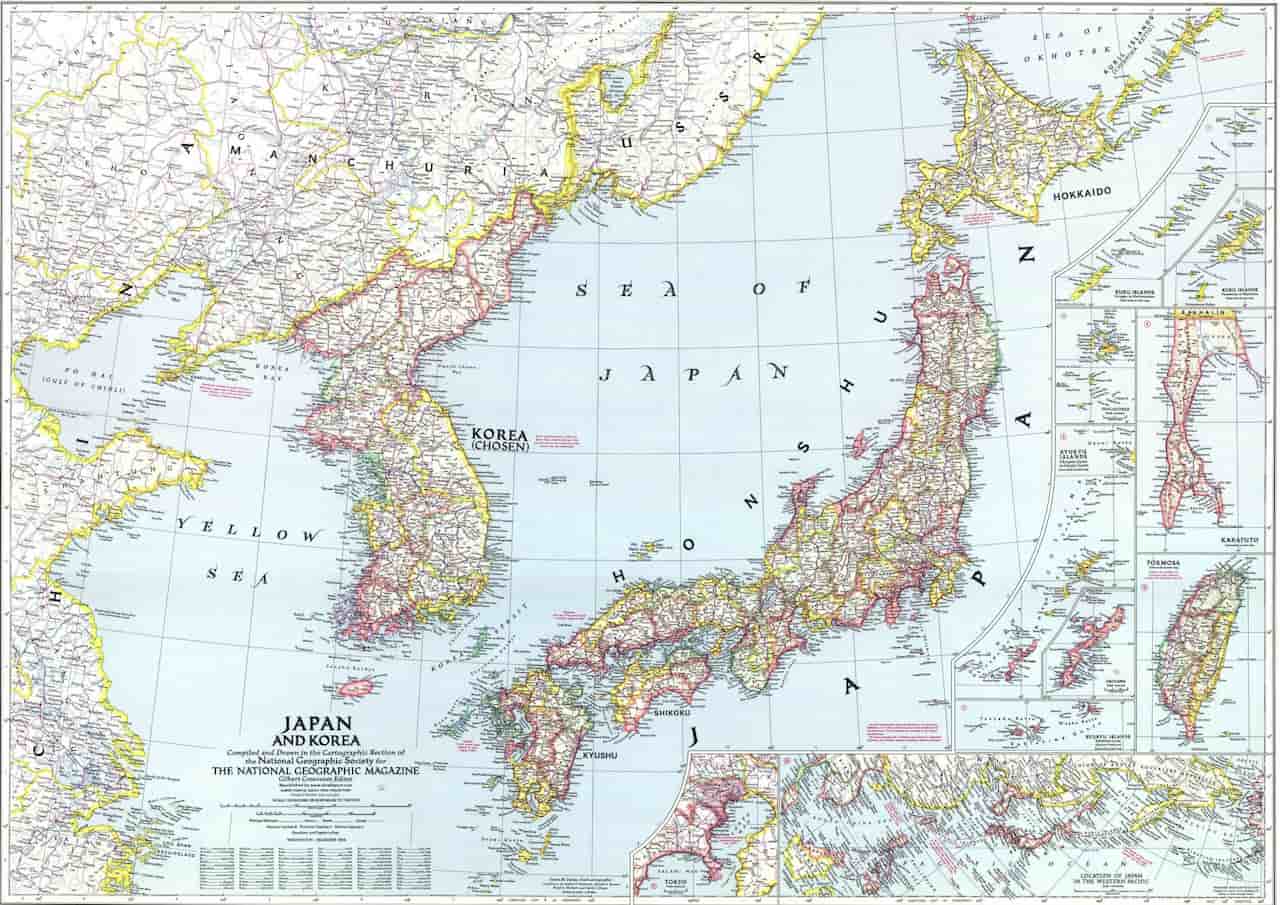
Territorial disagreements also remain, particularly concerning the cluster of islands controlled by Seoul, which are known as Dokdo in South Korea and Takeshima in Japan. Seoul officially protested a Japanese government commemorative event held in February regarding the territory.
The current alignment represents a significant departure from the diplomatic climate of 2019, when South Korea moved to terminate the GSOMIA intelligence-sharing pact following trade disputes. Under the leadership of South Korean President Lee Jae Myung and Japanese Prime Minister Sanae Takaichi, the two nations have actively pursued closer ties since 2022.
The ministers also sought to foster improved relations through “youth security dialogue” programs, which included a friendly game of table tennis between the two officials and younger participants. This initiative aims to build trust between the younger generations of both nations, serving as a symbolic gesture of a future-oriented partnership.