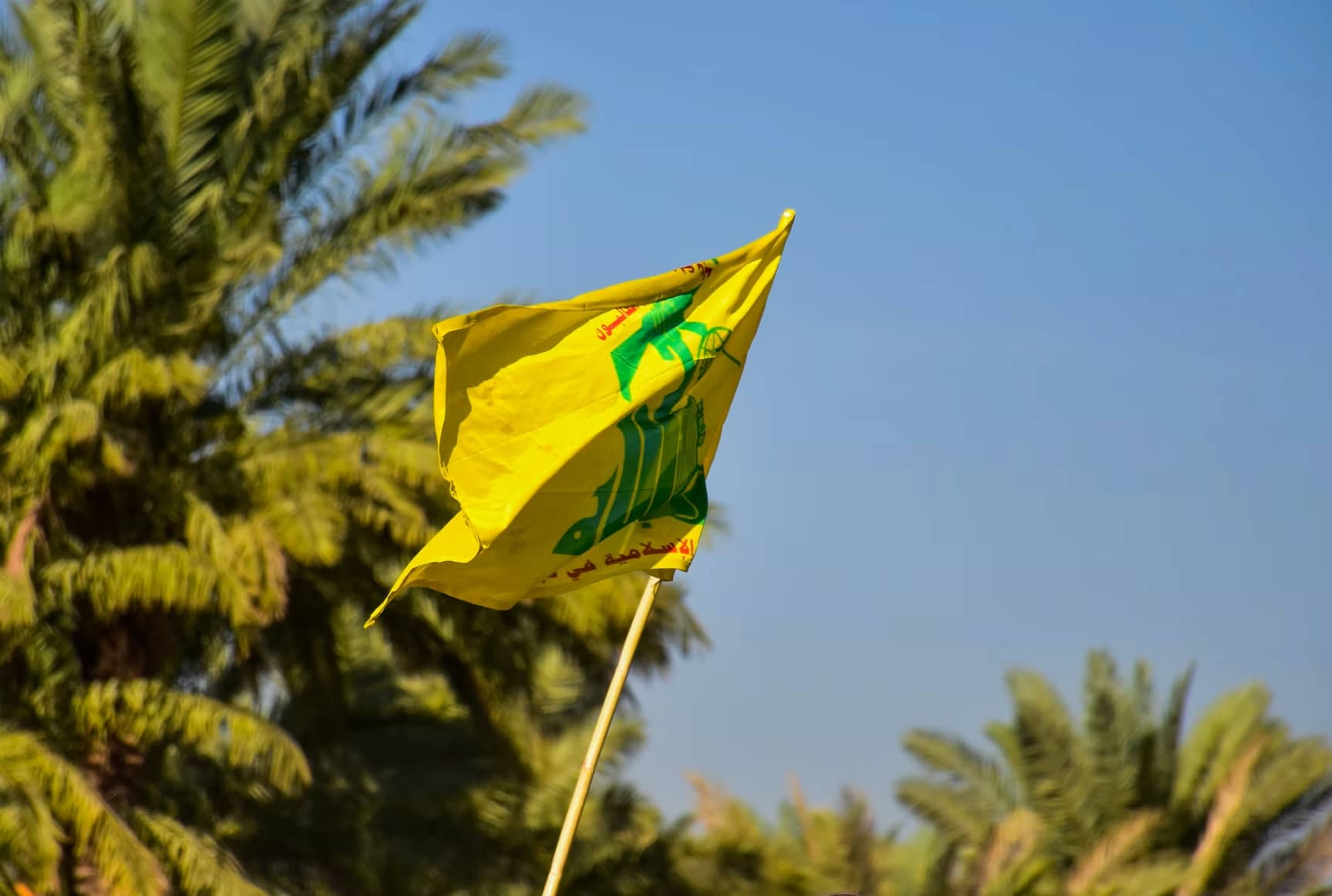
BEIRUT, June 27 (Parliament Politics Magazine) – Hezbollah leader Naim Qassem has officially rejected the security framework agreement recently signed between Lebanon and Israel, characterizing the deal as a “humiliating, shameful, and a surrender of sovereignty.” The announcement, made on Saturday, June 27, 2026, marks a significant escalation in tensions following the diplomatic effort brokered by the United States.
The framework agreement, finalized on Friday in Washington, D.C., aims to establish a phased roadmap to end the state of war between the two nations. It mandates a phased withdrawal of Israeli forces from specific parts of southern Lebanon, contingent upon the deployment of the Lebanese Armed Forces. However, the agreement explicitly allows Israeli forces to maintain a presence in an expanded security zone for an indefinite period.
A primary point of contention for Hezbollah is the link between military withdrawal and the requirement for the group to disarm. Qassem stated that connecting the removal of Israeli forces to the surrender of the group’s weapons crosses “all red lines.” The organization insists that the agreement effectively legitimizes a foreign military presence rather than securing an immediate and unconditional exit of Israeli troops.
“We did not leave the battlefield in the most difficult circumstances, and we will not leave it,” Qassem declared, vowing that the group would continue its armed resistance despite the new diplomatic reality.
In his public statement, Qassem argued that the deal is “null and void” and accused the Lebanese government of making unilateral concessions. Instead, he maintained that the separate memorandum of understanding signed between the United States and Iran earlier in June should serve as the legal foundation for ending hostilities, as it provides guarantees for Lebanese territorial integrity.
The political rejection of the agreement has triggered immediate unrest across Lebanon. Outraged supporters of the group organized protests in Beirut, blocking key airport roads and burning tires to demonstrate their opposition to the government’s participation in the deal. The domestic situation remains volatile, with Hezbollah MP Hassan Fadlallah warning that compelling the Lebanese army to enforce the Washington-brokered terms could risk inciting a civil war.
Despite the diplomatic framework, active combat continues in the region. State-run news agencies reported that an Israeli drone struck the area of Nabatieh al-Fawqa on Saturday morning. The Israeli military confirmed the strike, stating it targeted an individual deemed a threat to their forces. The strike occurred outside the designated security zone outlined in the maps accompanying the new agreement.
Beyond the immediate public discourse, the framework includes controversial provisions such as the “Legal Ceasefire” clause, which binds both nations to halt hostile or adverse actions in international legal forums. This prevents the Lebanese government from pursuing international complaints regarding sovereignty or war crimes while the agreement remains in force.
Furthermore, the document contains a “Secret Annex” that outlines specific deployment schedules and relocation lines, details that have not been disclosed to the public. To manage the post-conflict landscape, the agreement prohibits international reconstruction funds from being directed toward any entity or individual affiliated with non-state armed groups.