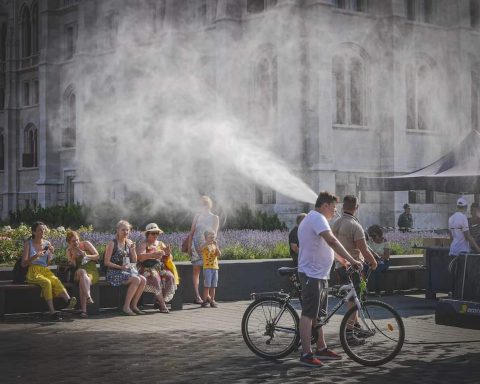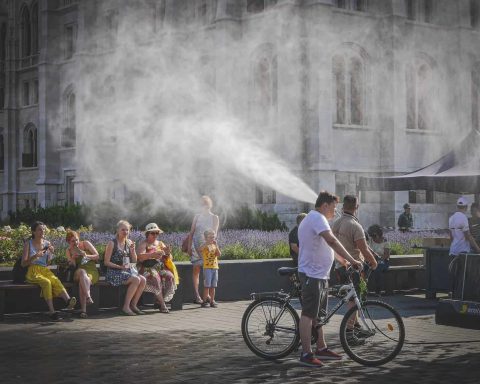

PARIS, June 28 (Parliament Politics Magazine) – Public Health France reported a preliminary estimate of approximately 1,000 excess deaths since June 24 as an intense heatwave continues to impact the country. The findings highlight the severe danger of early-season extreme weather, which has frequently pushed temperatures above 40°C across the nation.
Health officials emphasized that these figures remain unconsolidated and are likely to be an underestimate. Data from residential care homes is still being processed, meaning the final mortality toll will likely increase as more information becomes available.
The data indicates that approximately 85% of the victims were aged 65 and older. While the extreme heat affected all categories of the population, elderly citizens faced the highest risk, particularly those residing in the Île-de-France region surrounding Paris.
The sharpest rise in fatalities involved individuals dying inside their homes. Public health authorities noted that mortality spikes correlated tightly with regions placed under strict red weather alerts, where infrastructure and lack of cooling systems exacerbated the danger for those unable to leave their residences.
Although temperatures began to ease across most of the country, some areas in the northeast remain under heatwave advisories as the weather front moves eastward. French Health Minister Stéphanie Rist cautioned that the medical consequences of extreme heat can persist for an extended period even after the ambient temperature drops.
“The episode is not finished,” Rist told broadcaster BFM.
Health officials warned that citizens should remain vigilant for heat-related illness for up to 10 days after the hottest conditions have passed. The combination of intense daytime heat and the urban heat island effect, where cities like Paris can remain up to 10°C hotter than rural areas at night, prevented many residents from experiencing necessary physiological recovery. This lack of nighttime cooling significantly increased heat stroke risks for those trapped indoors.
Beyond direct heat-related fatalities, authorities observed a steep rise in accidental deaths during the record-breaking weather event. Dozens of drowning incidents occurred as citizens sought relief in unmonitored bodies of water.
The heatwave has caused widespread disruption, shattering records and damaging infrastructure across the continent. Scientists have designated this specific weather system, which began escalating around June 20, as the most severe heatwave ever recorded for Europe. As the climate shifts, the vulnerability of residential environments to persistent heat remains a primary concern for public health agencies managing future weather emergencies.