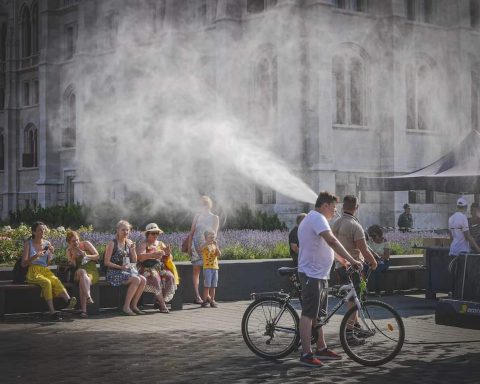
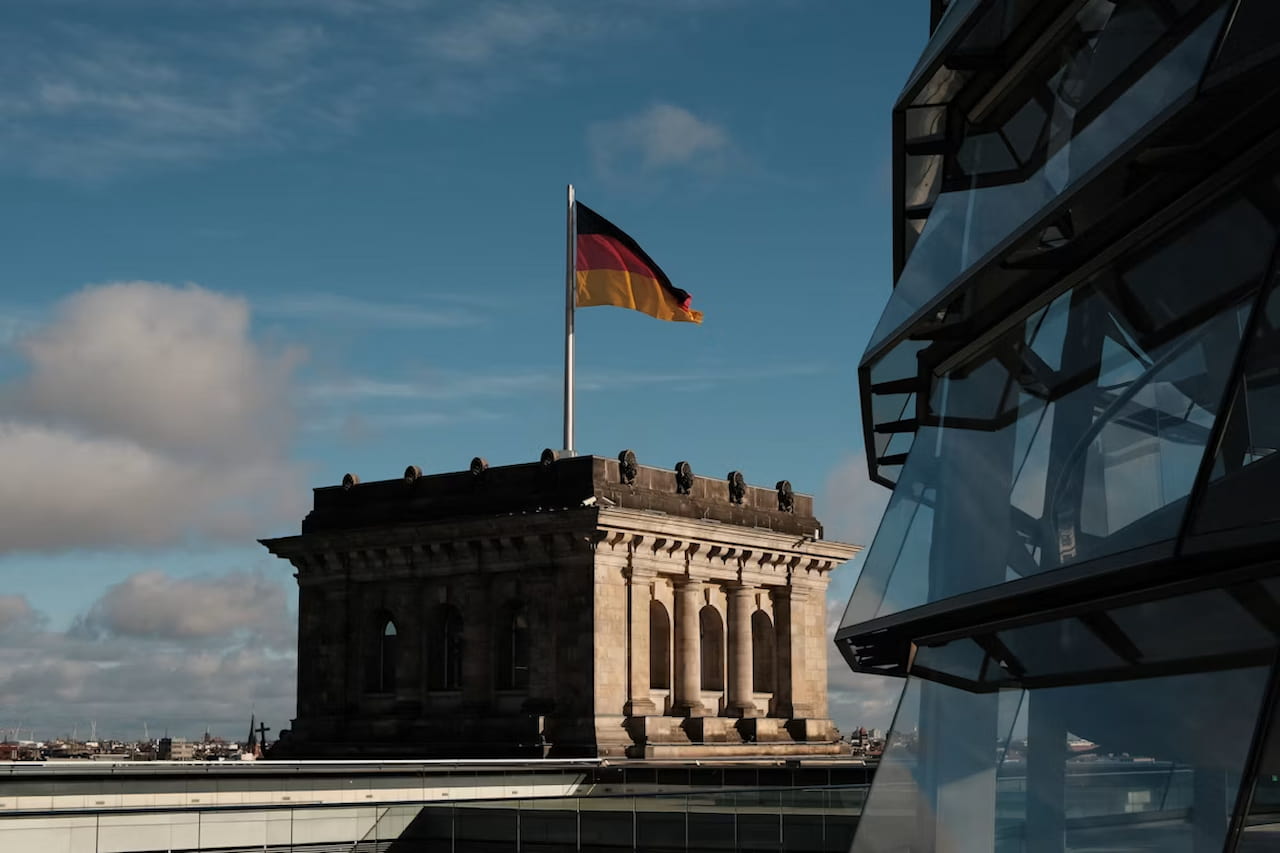
BERLIN, June 27 (Parliament Politics Magazine) – Germany officially shattered its all-time June temperature record as a blistering 41.3°C was measured in the southwestern city of Saarbrücken. This extreme event, which has driven temperatures up to 18°C above the seasonal average, is currently shifting away from Western Europe and tracking further east across Central Europe and the Balkans.
The intense heatwave has been linked to numerous deaths across Western Europe, testing records as it rolls across the German landscape.
Meteorological data indicates the extreme event is being propelled by a weather pattern known as an Omega block. This configuration creates a high-pressure system that traps a bulging mass of hot air over the region for an extended period, preventing cooler marine air from penetrating the continent. Scientists have noted that such a heatwave would have been virtually impossible without climate change, which has made current night-time temperatures 100 times more likely than they were two decades ago.
The severe heat has caused significant disruptions to daily life and critical infrastructure. National train operator Deutsche Bahn has authorized passengers to cancel or change long-distance trip bookings free of charge, as infrastructure faces strain from sun exposure. Company officials reported that tracks, signals, and overhead wires are at high risk, particularly with the added threat of potential wildfires and upcoming thunderstorms.
“The heatwave is going to peak at the weekend, well over 40 degrees in some parts of Germany,” said Karsten Brandt, a meteorologist at the forecasting site Donnerwetter.de.
Beyond rail travel, public events have faced major restructuring to protect participants. Organizers of the Ironman European Championship in Frankfurt decided to shorten the cycling and running courses to ensure the safety of athletes. Meanwhile, the intense heat has caused highway asphalt to buckle, leading police to implement emergency speed limits on older concrete sections where roads are susceptible to thermal expansion.
The heatwave has also impacted power generation and energy management. In neighboring Switzerland, the Beznau nuclear plant took both reactors offline because the River Aare’s water temperature rose to 25°C, making it too warm to properly cool the facility. As commercial demand for cooling solutions surges, many citizens have struggled with indoor temperatures. Most housing stock in Northern Europe is architecturally designed to trap heat, leading to a massive spike in sales for portable fans and temporary air conditioning units.
Local authorities are also managing unusual secondary effects. In Brandenburg, dry pine forests have triggered automated optical wildfire sensors due to shimmering heat distortion, creating phantom smoke alerts. Additionally, parts of the Black Forest experienced rare tropical nights, where temperatures failed to drop below 25°C.
The peak intensity of the heatwave is projected to fade through the weekend. Severe thunderstorms are forecast to move through Germany on Sunday, bringing a sharp drop in temperatures, though meteorologists have warned that these storms introduce a secondary risk of flash flooding and lightning strikes.