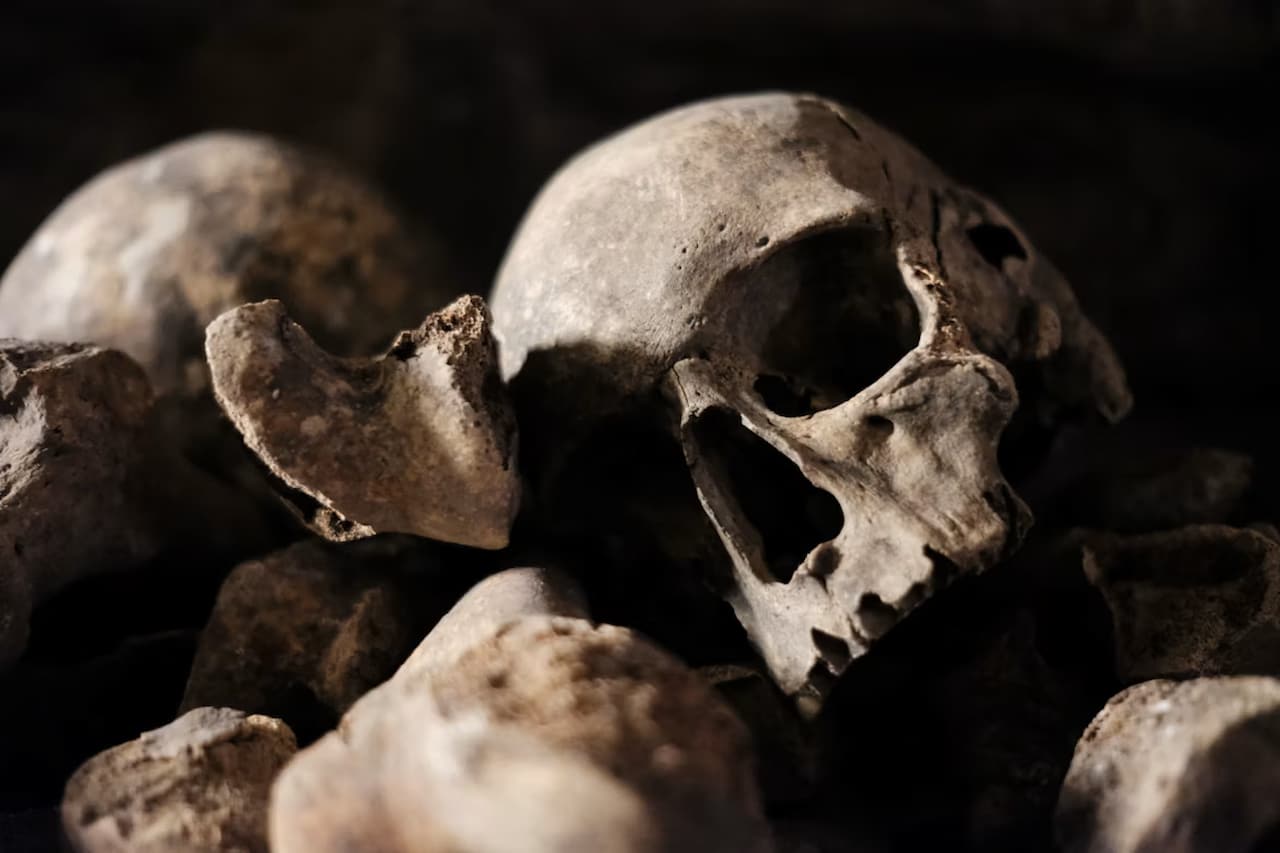
BANGOR, June 26 (Parliament Politics Magazine) – On The Square Emporium, an auction house located in County Down near Belfast, has faced widespread condemnation from academics and politicians after listing ancient human remains for commercial sale. The controversial lots include a 3,000-year-old Egyptian mummy head and a Dayak tribal trophy skull originating from Borneo, Indonesia.
The Egyptian mummy head, valued at approximately £20,000, was reportedly brought to the UK during the 19th century as a souvenir from a wealthy family’s travels. Before appearing at the auction, the item spent decades stored in a cardboard box within an attic in the English Midlands. The auction house confirmed that a local private buyer has already been secured for the mummy head.
The second item, a Dayak tribal trophy skull dating between 800 BC and 750 BC, was described by the auctioneers as a museum-quality ethnographic piece. With bidding starting at £700, the lot features hand-incised scrollwork patterns carved into the cranium, a patina acquired in a traditional longhouse, and original rattan bindings. It is expected to fetch between £1,500 and £2,000.
Ethical Concerns and Academic Outcry
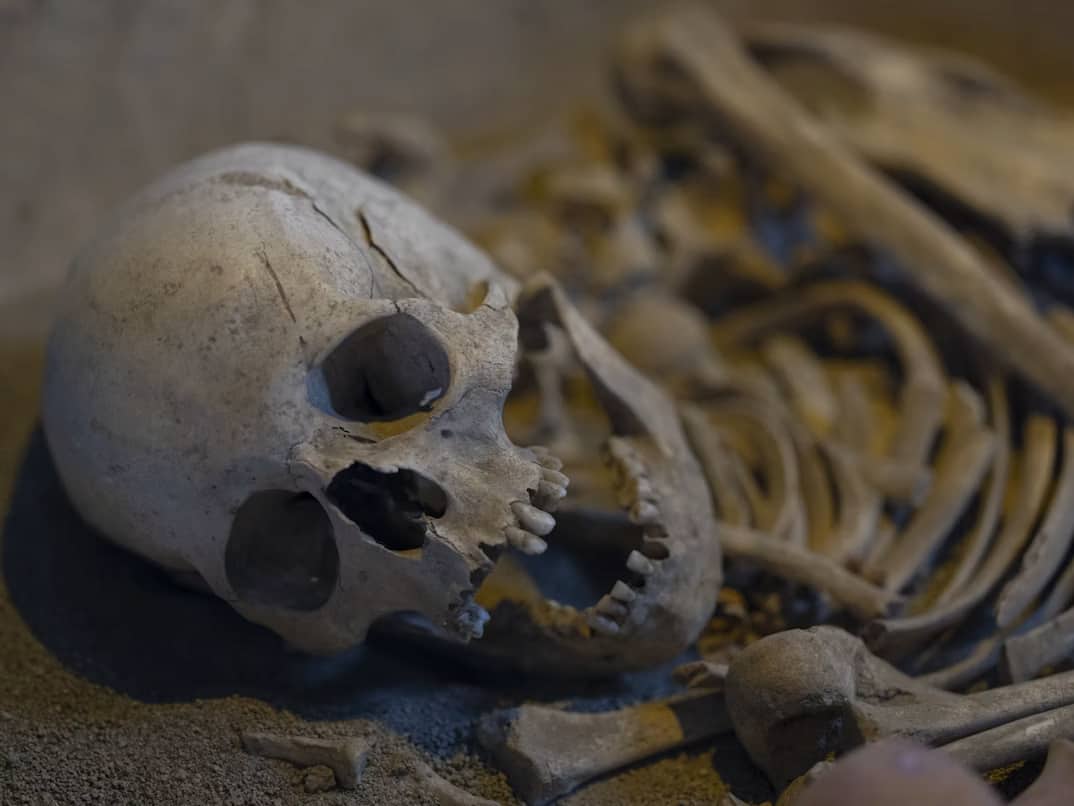
The decision to list these items has drawn sharp criticism from the British Association of Biological Anthropology and Osteoarchaeology (BABAO). Anthropologists involved with the organization have challenged the provenance of such remains, arguing that they were historically acquired through colonial exploitation and theft.
Experts maintain that the commercialization of biological remains strips the deceased of their dignity. Dr. Trish Biers, a Cambridge anthropologist who monitors the trade of human remains, highlighted the moral complications inherent in the market.
“Just because something is legal doesn’t mean it’s ethical,” said Dr. Biers.
Political Pressure for Reform
The incident has prompted a strong response from political figures, including Labour MP Bell Ribeiro-Addy. She has publicly condemned the listings and is currently sponsoring a bill intended to close legal loopholes. Her push for new legislation aims to entirely ban the trade of human tissue as commercial artifacts, arguing that the government must act to end this practice.
Beyond legislative pressure, the auction has faced logistical hurdles. Following the public outcry, several major online bidding platforms reportedly took action to block the auction house from using their software to host live bidding for these specific lots.
Legal Loopholes in the Trade
Under current UK law, the Human Tissue Act primarily prevents commercial trade for medical transplantation and regulates items less than 100 years old. Ancient and archaeological remains, therefore, currently exist in a legal grey area. Furthermore, under UK common law, a dead body is classified as no property, meaning it cannot technically be owned or stolen. This creates a market where individuals sell the possession of an item rather than the item itself.
Justin Lowry, the owner of On The Square Emporium, has defended the listing. He argued that once a person dies, the body becomes an inanimate object that holds historic and aesthetic value to collectors. Lowry dismissed calls for mandatory museum-only containment as hypocritical, noting that large numbers of historical remains are already kept in private homes across the UK. The auction house did not provide further comment following the widespread public criticism of the sale.