LONDON, June 26 (Parliament Politics Magazine) – King Charles has become the first British monarch to reveal how much tax he pays, providing the most detailed insight yet into the financial workings of the institution. While the Windsors have expressed a desire for greater transparency, the intricacies of the funding system, which has been developed over centuries, remain largely private.
The Sovereign Grant Explained
Every year, the king receives the Sovereign Grant, a payment issued by the government to cover the official duties of the monarch and his family. This funding is also utilized for the upkeep of royal palaces, various residences, and historic buildings, as well as for travel expenses. It does not provide personal income for the royal family.
The grant is calculated based on a percentage of profits from the Crown Estate. This entity is made up of massive tracts of land and most of the sea bed surrounding Britain. Legally, the estate belongs to the Crown, but since 1760, the monarch has sacrificed its revenues in return for an annual payment. It now operates as an independently run, commercial business.
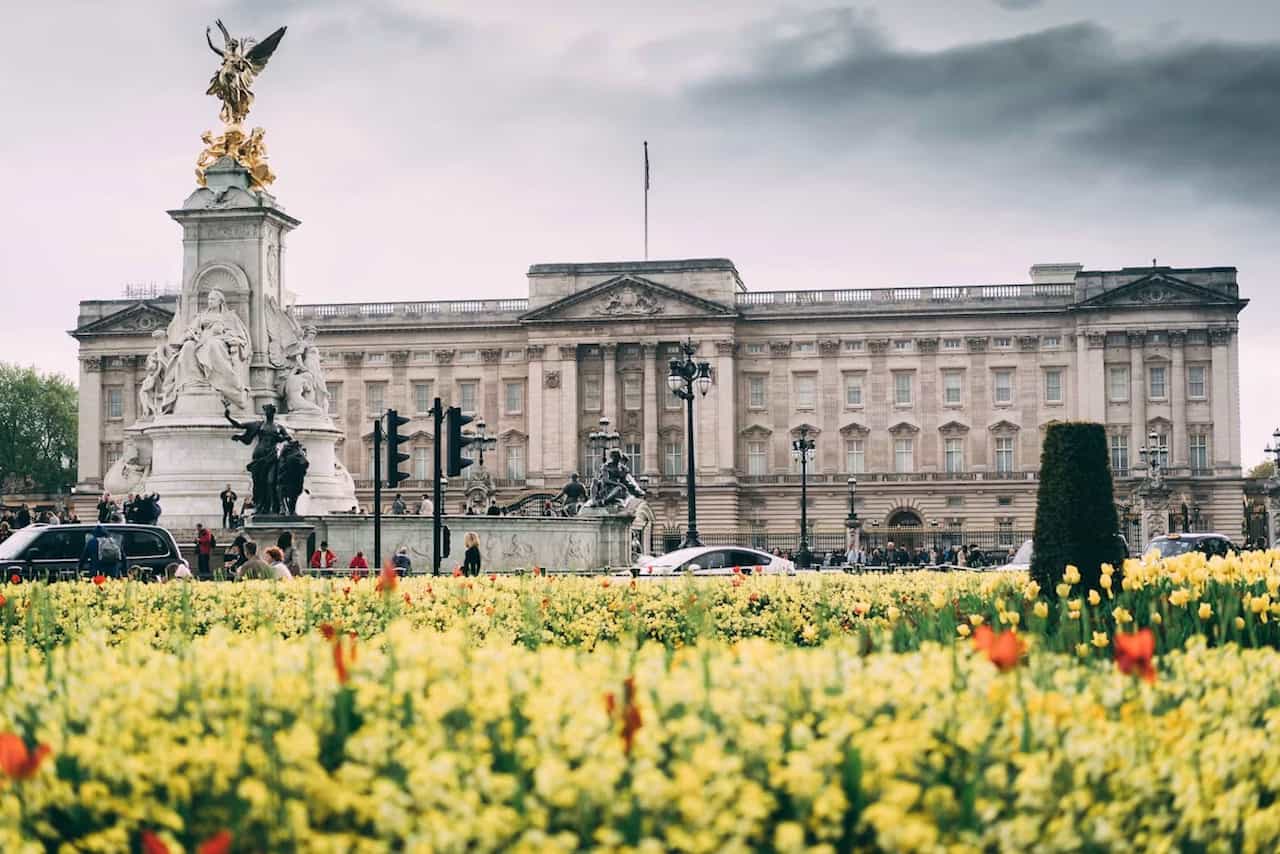
The Sovereign Grant is currently set at 12% of its profits, which have soared in recent years due to offshore windfarm licences. In 2025/26, the grant was £132.1 million ($174.5 million) and is set to be £137.9 million in the current financial year. From 2027 to 2032, the grant will be cut to £100 million a year, partly because money will no longer be required for the £369 million refurbishment of Buckingham Palace, and because Crown Estate profits are expected to fall as revenues from offshore wind leases drop.
The Role of the Duchy of Lancaster
Since 1399, the reigning monarch has received income from the Duchy of Lancaster. This estate spans 41,910 acres, or 16,960 hectares, and includes commercial properties in the centre of London and other cities. Its net assets in March 2026 were valued at £687.3 million.
The sitting monarch cannot use any proceeds from sales of its land, but does receive the net revenue surplus. In 2025/26, this surplus reached £25.2 million. The money received is used to run the monarch’s private homes and to provide incomes for working royals who are not allowed outside earnings, despite receiving an official residence at no cost in exchange for carrying out duties.
Currently, that list includes his sister Princess Anne, his younger brother Prince Edward and his wife, the Duke and Duchess of Gloucester, the Duke of Kent, and Princess Alexandra. Officials say having such private income means the monarch is not subject to any political pressures or outside influence. Charles’ younger son Prince Harry and his brother Andrew Mountbatten-Windsor, while still members of the royal family, do not receive any public money as neither are working royals who carry out official duties.
Private Estates and Investments
Beyond these formal channels, the king maintains personal undisclosed assets and investments. He also receives income from his own large estates, including Balmoral Castle in Scotland and Sandringham in eastern England. The specific income he receives from these holdings has not been made public.
Income from the Duchy of Cornwall
Created in 1337, the Duchy of Cornwall provides income for the heir to the throne, currently Prince William, and his wife, Catherine. The estate comprises 128,151 acres, or 51,861 hectares, spread across England and Wales, with net assets of £1.2 billion at the end of March 2026. William receives the net surplus revenue, which in 2025/26 amounted to £21.55 million.
Voluntary Tax Contributions
By law, the British monarch is not obliged to pay income, capital gains, or inheritance tax. However, in 1993, Queen Elizabeth II agreed to voluntarily pay income tax at a time when the monarchy’s public standing had suffered after the annus horribilis, a year marked by the formal separation of Charles from his first wife, the late Princess Diana, as well as the split of Andrew Mountbatten-Windsor from his wife, Sarah Ferguson, and the divorce of Princess Anne from her first husband.
The specific amount paid by the late Queen was never disclosed. As heir, Charles had also voluntarily paid an undisclosed amount of tax throughout his tenure. Royal officials recently provided further clarity on these contributions.
“Revealing these amounts for the first time on Friday, royal officials said Charles had paid £12.9 million in 2024/25, £11.7 million in 2023/24, and more than £30 million in total since becoming king. This placed him in the top 100 taxpayers in the UK, they said.”
While these figures offer a new level of disclosure, no breakdown of the tax calculation was provided. Likewise, William’s office revealed the prince had paid £7.76 million in 2024/25, and £8.34 million in 2023/24. He has paid more than £20 million in tax since becoming the heir and Prince of Wales.