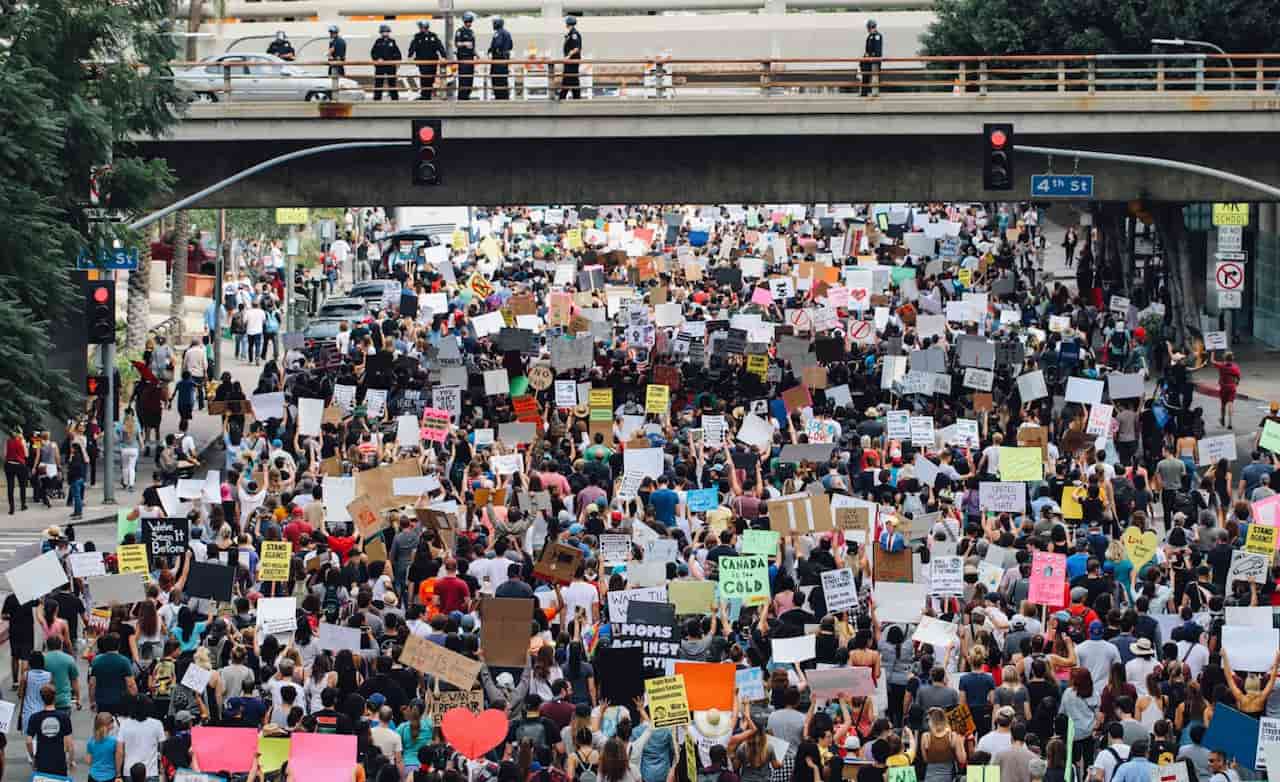
DURBAN, June 26 (Parliament Politics Magazine) – Thousands of African migrants are currently scrambling to leave South Africa or seeking emergency repatriation as the country prepares for nationwide anti-immigrant protests scheduled for Tuesday, June 30, 2026. Vigilante and anti-foreigner activist groups, led primarily by an organization known as March and March, have issued an ultimatum demanding that all undocumented foreigners exit the country by that date.
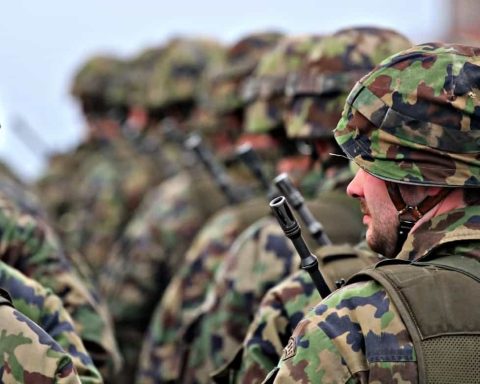
Fearful of escalating xenophobic violence, many migrants have packed their belongings, crowded into temporary displacement fields, and are sleeping outside foreign consulates to secure safe passage home. The South African state security apparatus is currently on high alert, with officials promising a heavy presence in high-risk areas to prevent a repeat of previous deadly clashes.
Mounting Pressure Before June 30 Deadline
The primary tension centers on the June 30 deadline, which organizers have framed as a final warning. While the leadership of the March and March organization claims that their demonstrations will remain peaceful, they have explicitly stated that they will not take responsibility for any chaos or violence that erupts once the deadline expires.
In response to these threats, the physical movement of people has intensified across the country. Thousands of Malawian migrants are queuing at makeshift processing camps in Durban, while hundreds of Zimbabwean citizens have been observed sleeping on pavements outside their consulate in Cape Town. Neighboring nations, including Malawi, Zimbabwe, and Mozambique, are attempting to bus their citizens home, though these services are currently overwhelmed by the sudden, massive surge in demand.
Economic Roots of Xenophobic Sentiment
Xenophobic sentiment has risen dramatically across South Africa due to years of sluggish economic growth, deep inequality, and severe structural issues. Local anti-immigrant groups frequently target foreign nationals by blaming them for high domestic crime rates, extreme unemployment, and overstretched public health facilities. According to data from the violence-monitoring group ACLED, the first half of 2026 recorded the highest number of anti-migrant protests seen in the country since 2020.
The crisis has led to an informal economy freeze in major hubs like Johannesburg and Durban. Foreign-owned shops, known as spaza shops, have completely boarded up their windows, causing immediate food and supply shortages in neighborhoods that rely entirely on these small traders for essential goods.
The South African government has responded to the threat of unrest by placing security forces on high alert. Acting Police Commissioner Phumelele Makoba confirmed that massive police deployments are planned, particularly in high-risk provinces like KwaZulu-Natal.
“We are appealing to all those who will be marching to respect the police,” said Phumelele Makoba, acting police commissioner for KwaZulu-Natal.
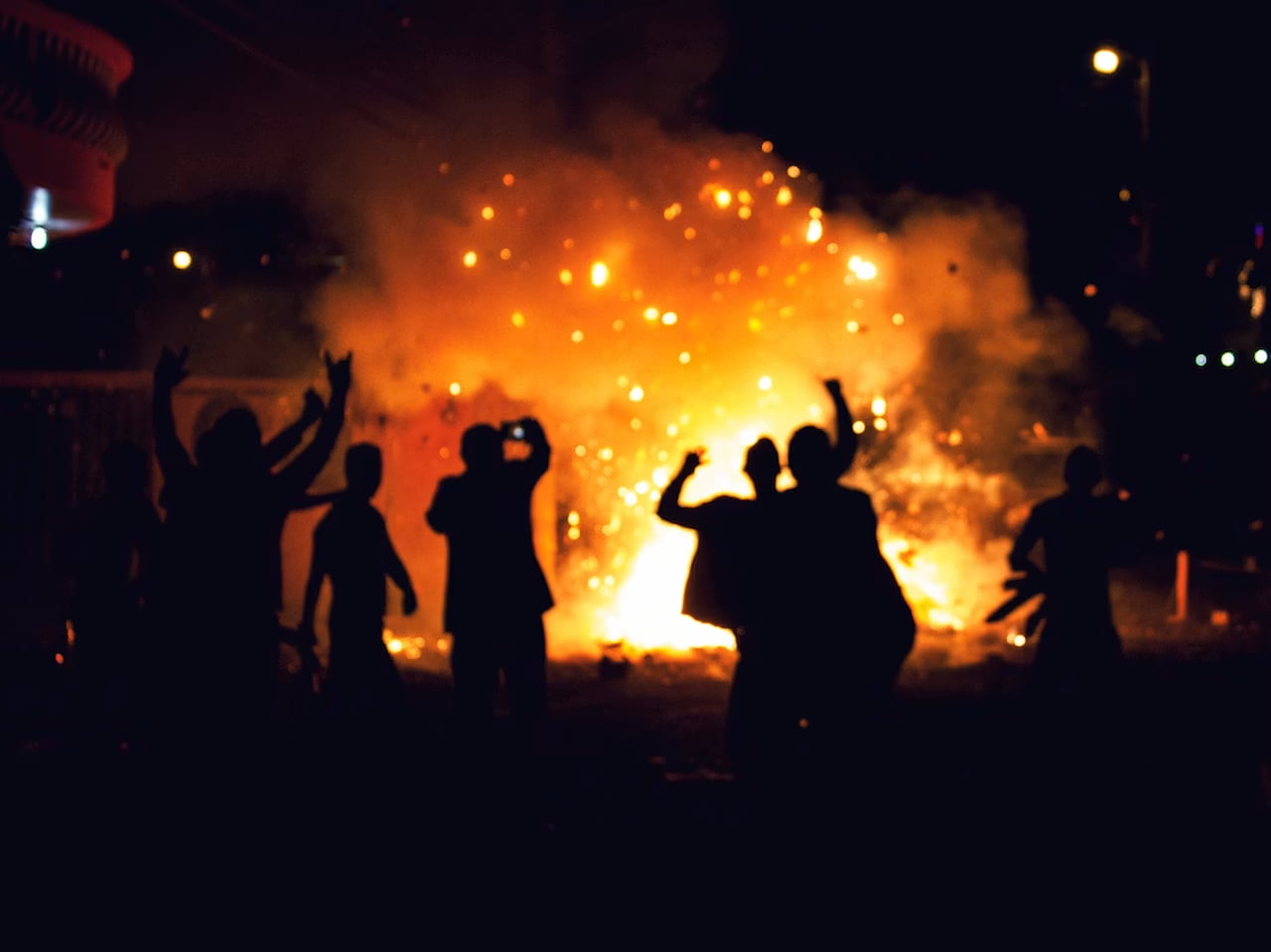
President Cyril Ramaphosa has publicly stated that national security forces are ready to maintain order. The president has repeatedly pleaded with citizens not to engage in vigilante immigration enforcement or make foreigners scapegoats for the country’s socioeconomic legacy. Despite these pleas, the situation remains volatile following weeks of sporadic violence, including instances where homes were torched and foreign nationals were killed.
The Plight of Vulnerable Asylum Seekers
Many individuals caught in this crisis lack the option to return home. Asylum seekers, particularly those from the Democratic Republic of Congo, are often unable to return due to active conflicts within their home nations. These individuals remain unprotected on the streets, with many camping outside the Home Affairs office in hopes of finding shelter.
The diplomatic effort to move citizens out of the country is also facing significant logistical hurdles. Neighboring countries lack sufficient commercial long-distance buses to handle the volume of people trying to leave. In some instances, governments have resorted to hiring private cross-border freight trucks to transport families and their possessions out of the country.
The mobilization of these protests is being coordinated through highly structured, localized WhatsApp groups. Organizers use these digital platforms to crowdsource transport money, share patrol routes for neighborhoods, and distribute flyers to mobilize participants. Simultaneously, rumors have spread regarding unauthorized digital apps that claim to provide expedited exit permits, leading to reports of scammers targeting desperate refugees.
The demographic scope of the sentiment appears to be shifting. While anti-immigrant tensions historically flared in poor townships, this current wave has gained traction in middle-class, affluent suburbs. Homeowner associations in these areas are increasingly funding private security to audit the legal status of local domestic workers and gardeners, further heightening the sense of insecurity among foreign residents.