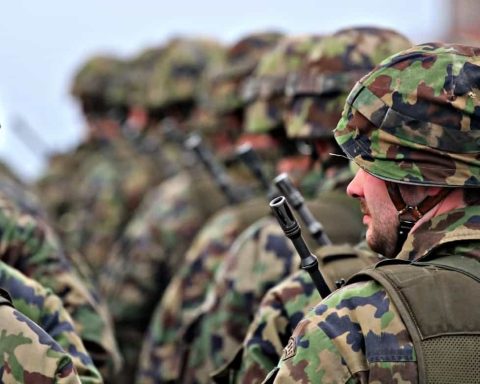
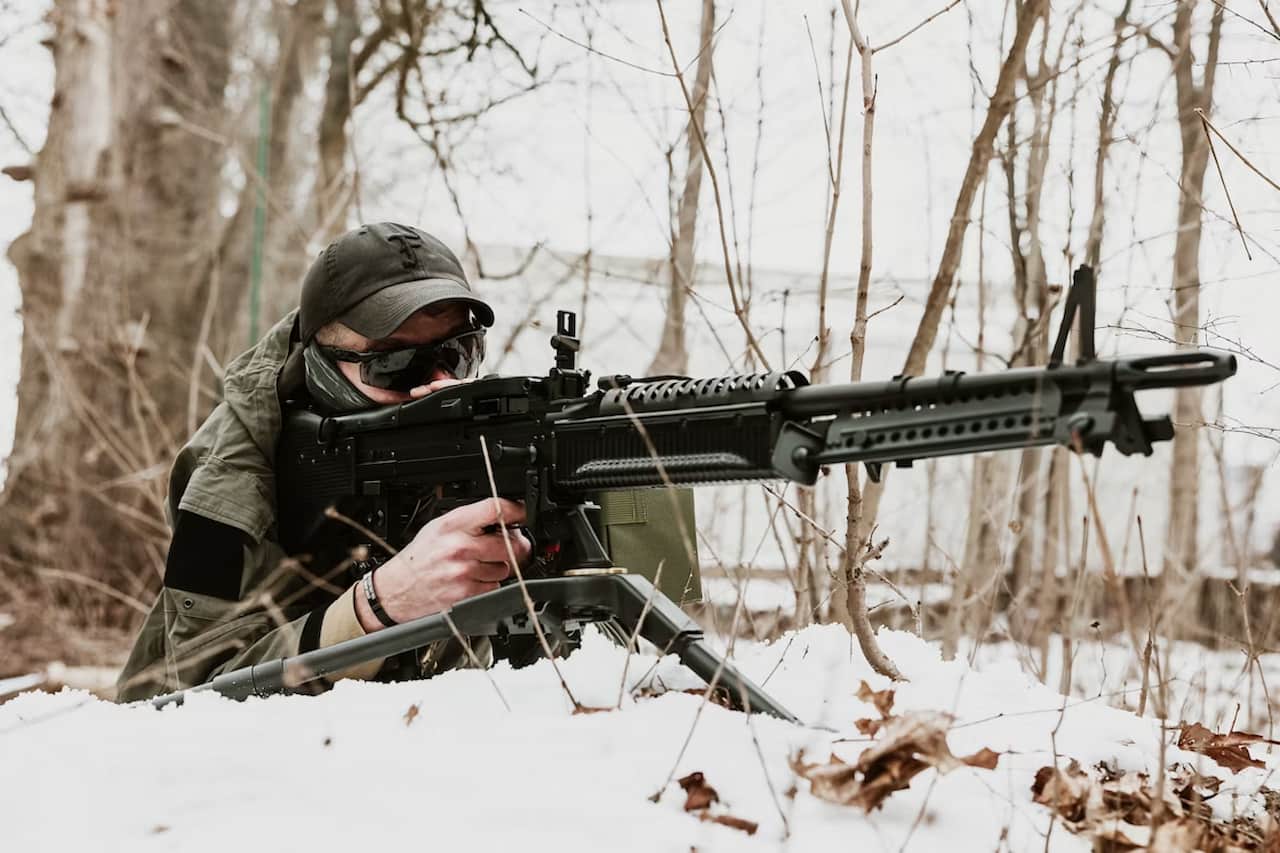
EVENES, June 26 (Parliament Politics Magazine) – During a frozen morning in Arctic Norway, a group of British and Norwegian soldiers padded softly through a snow-blanketed birch forest. They were on a simulated NATO reconnaissance mission, among some 30,000 troops who took part in a drill rehearsing a counter-attack against an invading “enemy to the east,” a euphemism for Russia, Norway’s Arctic neighbour.
Russia has raced far ahead in Arctic defence over the past decade, modernising the world’s largest ice-breaking fleet as climate change creates new routes and reopening dozens of Soviet-era bases in a region that provides the shortest path to the United States for its nuclear intercontinental missiles. The exercises in March were part of a stepped-up effort called Arctic Sentry that aims to show Washington that Europe and Canada can defend the alliance’s northern flank.
Secretary General Mark Rutte announced Arctic Sentry in February as he lobbied U.S. President Donald Trump to drop a push to acquire Greenland. Rutte was successful with Trump, but significantly strengthening the alliance’s Arctic posture is more challenging, interviews with dozens of current and former NATO officials and Arctic experts show.
The Reality of Arctic Infrastructure
It requires long-term investments in a wide range of assets including ice-breakers, submarines, drones and satellites testing allies’ economic and military resources at a time when Trump has threatened to leave NATO altogether and Washington is withdrawing troops, planes, ships and weapons from Europe. Through most of NATO’s eight-decade history, the inhospitable High North was low priority. But melting ice, Russia’s growing strength in a mineral-rich region larger than the United States and increased interest from China have changed that calculus.
“No major power in the 21st century will be able to maintain its position on the global scene without, in one way or another, having a strong presence in the Arctic,” Olafur Ragnar Grimsson, an ex-Icelandic president who chairs the Arctic Circle forum, the ‘Davos of the Arctic,’ told Reuters.
A key challenge for European NATO allies is monitoring activity on Arctic Russia’s Kola Peninsula, neighbouring Finland and Norway. The peninsula accounts for around two-thirds of Russia’s second-strike nuclear capabilities, including the Russian navy’s Northern Fleet, which operates six of Russia’s 12 nuclear-armed submarines. From the peninsula, Russia could launch hypersonic missiles towards the United States, making early warning systems vital, or send the submarines towards the U.S. East Coast via the Bear Gap in the Barents Sea and the GIUK Gap between Greenland, Iceland and Britain.
Managing Complex Defense Logistics
Norway and NATO allies currently monitor the fleet in the GIUK Gap and the Barents Sea, where critical undersea cables have suffered damage in incidents some attribute to Russia. The Norwegians spy on Kola Peninsula installations and share the intelligence with the Americans. But NATO must further improve its intelligence, surveillance and reconnaissance capacities, said Mauro Gilli, a professor of military strategy at the Berlin-based Hertie School. Such abilities do not come cheap in Arctic conditions where standard equipment often fails.
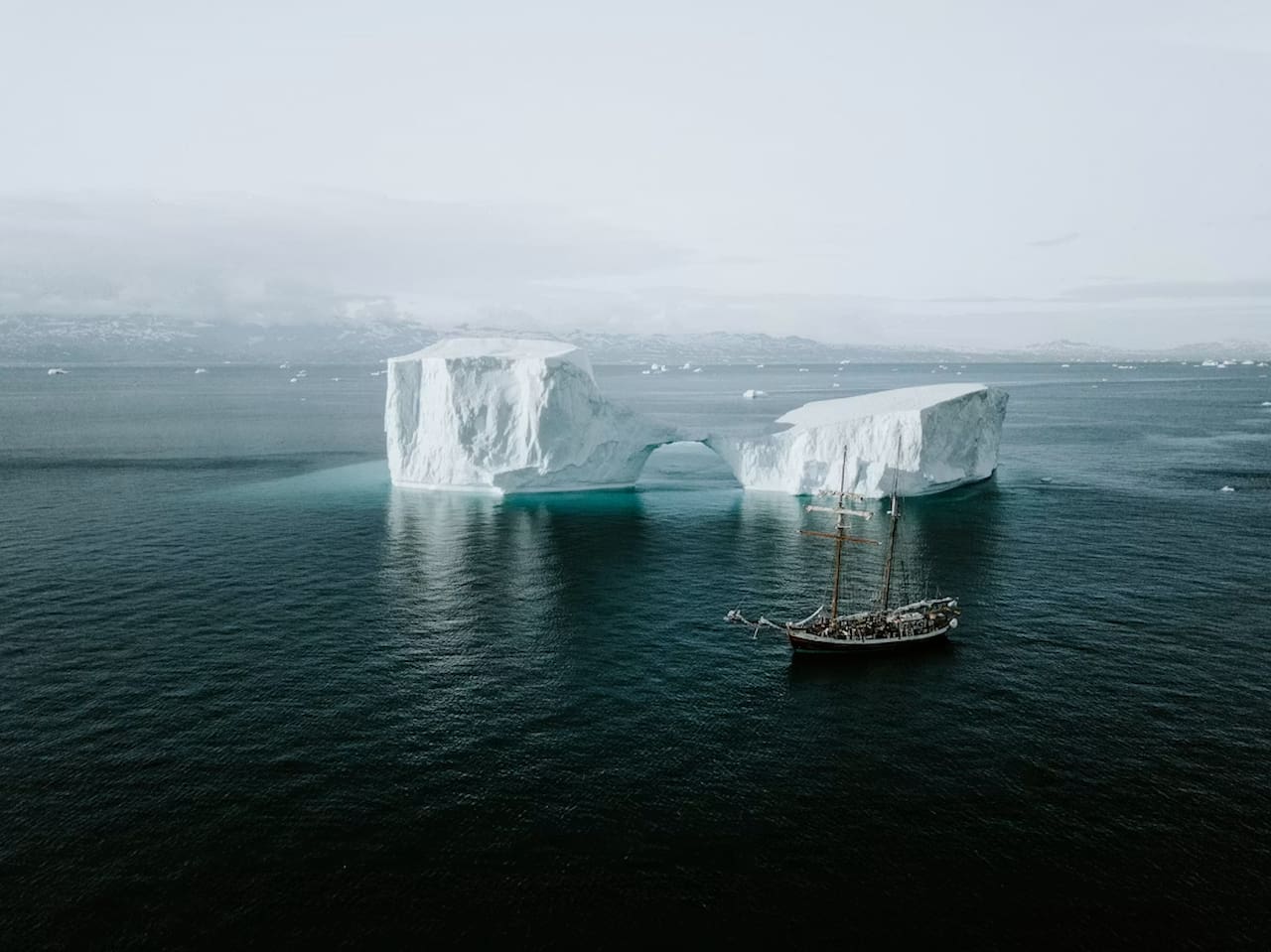
The Arctic is mostly ocean across Greenland, Iceland, northern Norway and the Barents Sea, so any security presence must be primarily naval, which is costly, said Grimsson. The United States has only two operational icebreakers. Russia, with by far the biggest Arctic territory, has 42, some nuclear-powered. Satellite communications that work at high latitudes are crucial to allow real-time detection, Gilli noted, along with long-endurance drones that work in extreme cold, expanded underwater surveillance, and different types of ground-based radars.
Climate change is making submarine tracking harder, calling for investment in new generations of submarine sensors that can counter changing salinity levels and currents from warming oceans, such as the North Atlantic, which is warming rapidly, according to NATO Defence College research from 2025. The changes affect how sound travels through water, shrinking the range at which submarines can be detected.
Nordic Nations Lead Defense Spending
There are signs NATO is trying to face up to the challenge. Nordic countries are among the biggest defence spenders in the alliance and on track to meet NATO’s target of 5% of GDP by 2035. The U.S. and Finland are teaming up to build up to six icebreakers, the first due next year. Norway is buying frigates and submarines. The Nordics pooled air forces to create a fleet as large as Britain’s.
Shaken by Trump’s threats to make it a U.S. state and keen to wean itself off a decades-long dependence on U.S. defence support, Canada unveiled a major C$35 billion ($25.7 billion) Arctic defence plan in March for infrastructure including military airfields in the region. It is coordinating more closely with Nordic countries and, with Denmark, investing in ice-capable vessels.
British officer Vice-Admiral James Morley, deputy commander of JFC Norfolk, said Arctic Sentry will help more NATO soldiers learn how to operate in harsh polar conditions. The United Kingdom is doubling to 2,000 the number of Royal Marines permanently deployed to Norway. In June, NATO activated a new grouping of 600 soldiers based in Sweden and Finland’s Lapland regions.
However, Iris Ferguson, a former U.S. deputy assistant secretary of defence for Arctic and global resilience between 2022 and 2025, said prioritising the region is difficult. When you have a hot war burning in the East, it is hard to direct investment into a region that does not feel as hot.
Maintaining U.S. Alignment
U.S. military leaders taking part in the Arctic Sentry exercise, called Cold Response, tried to reassure European counterparts. Major General Daniel Shipley, commander of the U.S. Marine Corps Forces for Europe and Africa, noted that the American commitment is to defend every last inch of NATO territory.
European leaders’ anxiety is high after Trump’s Greenland threats and talk of withdrawing from NATO. Last month, the U.S. announced cuts to its NATO crisis force contributions including fighter jets, drones and ships. Norway, traditionally tightly aligned with Washington, joined France’s nuclear deterrence initiative in June. Norwegian officials now emphasise it is in Washington’s interest to stay engaged.