NEW YORK, June 26 (Parliament Politics Magazine) – The New York City Rent Guidelines Board voted 7-1 on Thursday to freeze rents for approximately one million rent-stabilized apartments, delivering a significant political victory to Mayor Zohran Mamdani. This historic measure establishes a 0% rent increase for both one-year and two-year lease renewals, effective from October 1, 2026, through September 30, 2027.
The decision impacts roughly 27% of the city’s total housing stock, providing immediate relief for more than two million residents. While former Mayor Bill de Blasio implemented three rent freezes during his tenure, those measures applied exclusively to one-year leases. This marks the first time in the history of New York City that a rent freeze has been extended to cover two-year lease agreements.
Fulfilling a Key Campaign Promise
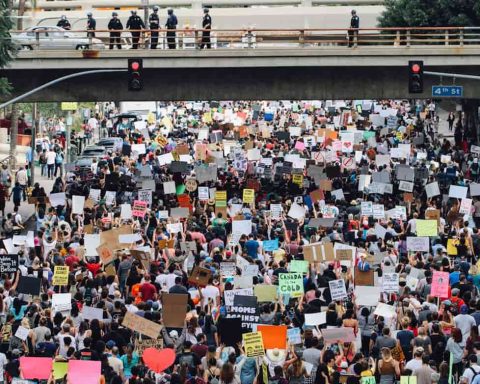
The move represents the culmination of a central cost-of-living commitment made during Mamdani’s mayoral campaign. Upon taking office in January 2026, the mayor moved to reshape the board by appointing six of its nine total members, specifically choosing individuals he believed would prioritize tenant affordability. The vote, which took place in a crowded Manhattan museum auditorium, saw tenants celebrate the outcome with whistles and cheers, while the song “We Are the Champions” played in the surrounding streets.
“This is a historic victory for New York City tenants; this is the relief that working people across our city deserve,” Mamdani said in a statement.
The board’s decision-making process required an evaluation of multiple economic factors, including local inflation rates, rising maintenance costs, property taxes, and general wage growth. According to board data from 2025, the average monthly rent for a regulated apartment in the city was $1,599, a figure that remains significantly lower than the median rent for newly leased market-rate apartments, which recently reached $3,950 according to StreetEasy.
Board Resignation and Backlash
The proceedings were not without intense conflict. Hours before the final vote, Christina Smyth, a landlord representative on the board, resigned in protest. She publicly criticized the administration’s influence, accusing the board of failing in its duty to remain an independent, fact-finding body. Smyth characterized the event as “theater,” suggesting the outcome had been predetermined during the campaign.
Trade groups, including the Real Estate Board of New York and the New York Apartment Association, have expressed strong opposition to the freeze. Industry leaders argue that the decision disregards the board’s own internal data, which indicated that landlord operating costs increased by 5.3% over the past year. These groups contend that the freeze will hinder property owners’ ability to manage routine maintenance, necessary repairs, and increasing mortgage obligations.
Challenges for the Administration
The policy victory follows a period of political consolidation for the mayor. Earlier this week, three progressive congressional candidates endorsed by Mamdani successfully won their respective Democratic primaries. However, the housing policy is expected to face immediate scrutiny. Real estate lobbyists and property owner advocacy organizations have signaled their intention to pursue litigation to challenge the legality of the vote.
Some landlords have argued that the freeze creates a financial strain that may force them to increase costs on unregulated, market-rate units to compensate for lost revenue. Despite the vocal opposition from the real estate sector and the resignation of a key board member, the administration maintains that the move is a necessary intervention to address the ongoing affordability crisis facing New York City residents.