MOSCOW, June 26 (Parliament Politics Magazine) – Russian hardliners are aggressively pressuring President Vladimir Putin to abandon U.S.-mediated diplomacy and significantly escalate the conflict following a surge of successful Ukrainian drone strikes deep inside Russian territory. These nationalist voices, frustrated by perceived diplomatic failures, are demanding a harder military stance as attacks reach major urban centers.
Pressure from Nationalist Factions
The intensity of these demands stems from a series of high-profile Ukrainian strikes that have penetrated Russian air defenses. Recent barrages targeted critical infrastructure in Moscow, St. Petersburg, and Crimea, including a significant attack on a Moscow oil refinery. Beyond energy assets, strikes on transport links in Crimea have forced local authorities to implement fuel rationing and travel restrictions to prioritize military logistics.
Hardliners, including influential figures like tycoon Konstantin Malofeyev, have publicly questioned the restraint shown by the Kremlin. These groups argue that existing military efforts are insufficient against an opponent fighting with total mobilization. Some have suggested that Russia should reconsider its stance on the use of tactical nuclear weapons, a prospect they claim was factored into the development of the nation’s strategic arsenal.
The hawkish faction’s anger is exacerbated by a growing belief that diplomatic efforts with Washington have reached a dead end. Three senior government officials indicated that talks with the U.S. have stagnated, with nationalists accusing the Trump administration of failing to adhere to understandings reportedly discussed during the Alaska summit.
Some commentators are urging Moscow to shift its strategy entirely, mirroring what they describe as Iran’s approach to dealing with Western influence. Nationalist bloggers have specifically called for the systematic bombardment of major Ukrainian cities to render them unlivable, as well as the targeting of European factories that supply drone components to Kyiv.
“What else needs to happen before we start fighting for real? War means victory at any cost. The Ukrainians are at war, so they’re fighting with everything they’ve got,” said Konstantin Malofeyev, a nationalist tycoon, after a Ukrainian strike set fire to a Moscow oil refinery last week.
Kremlin Maintains Measured Approach
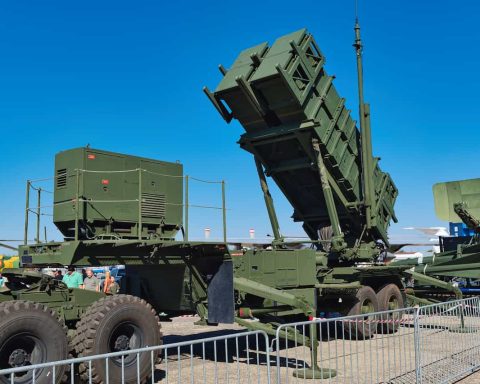
Despite the volume of this rhetoric, the Kremlin has resisted the most extreme proposals from the hardline camp. Analysts observe that while the government tolerates this pressure to maintain a nationalist base of support, President Putin continues to favor a controlled strategy. This approach focuses on strengthening domestic air defenses to mitigate the impact of drone incursions rather than shifting to an uncontrolled, wide-scale escalation.
Behind the scenes, the internal debate highlights a broader struggle regarding how Russia can effectively defend its vast territory while simultaneously pursuing objectives in the conflict it initiated in 2022. While the Defense Ministry has previously signaled that foreign drone-manufacturing sites could be considered targets, the current operational focus remains centered on territorial advances in the Donbas region.
During recent engagements with military academy graduates, President Putin expressed confidence in the ongoing progress of Russian forces. He noted that the military is nearing the control of Kostyantynivka, a key objective in eastern Ukraine. By maintaining this focus, the Kremlin aims to demonstrate military efficacy on the front lines, which officials hope will minimize the perceived need for the radical policy shifts demanded by the hawks.
Furthermore, leadership in Moscow has suggested that political shifts in Europe could eventually favor Russia, potentially creating a path for more favorable relations in the future. For now, the administration remains committed to its current trajectory, balancing internal nationalist demands against the risks of a broader, more volatile escalation that could complicate its long-term strategic and diplomatic goals.