
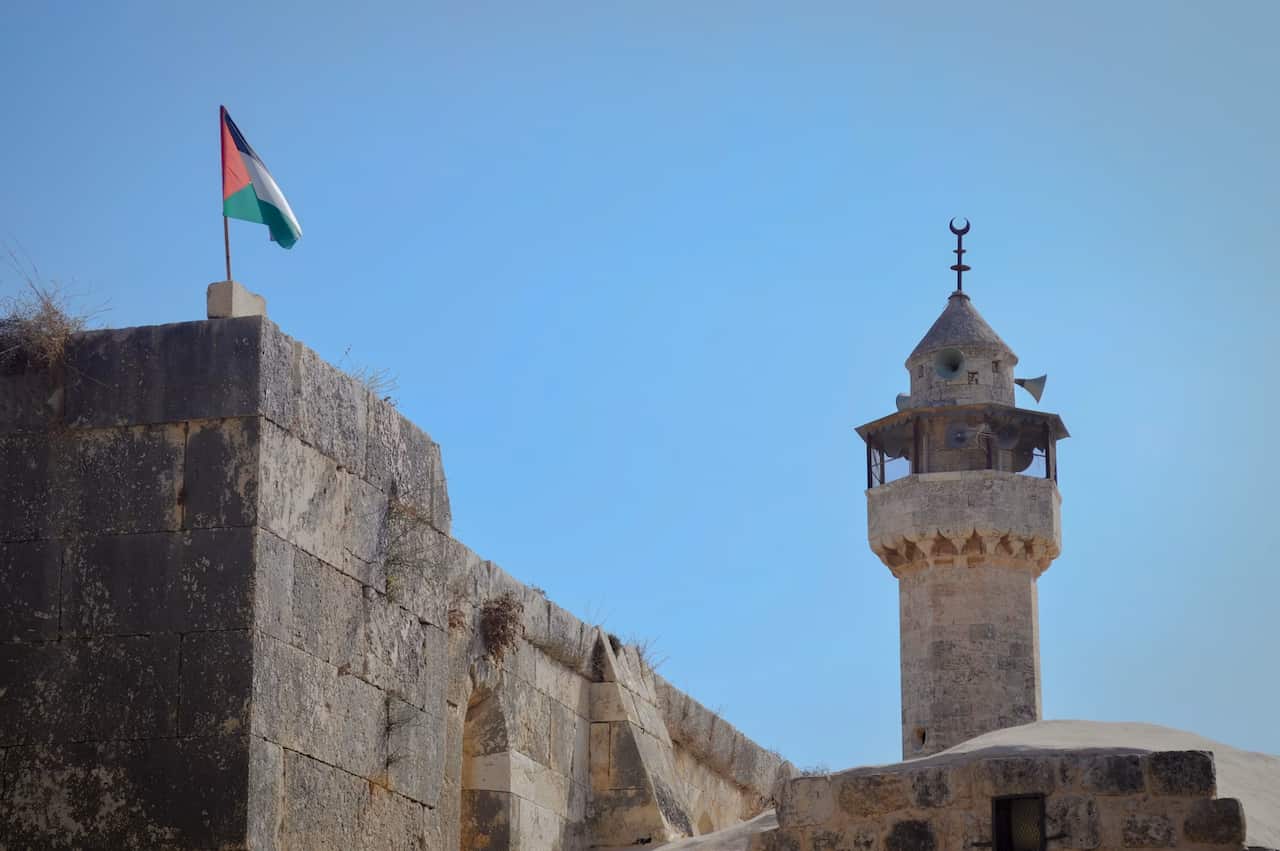
SEBASTIA, West Bank, June 25 (Parliament Politics Magazine) – A proposed Israeli bill aimed at shifting management of ancient sites in the West Bank to civil authorities has ignited significant opposition from Palestinian officials and rights organizations. The legislation, titled the “Heritage Authority in Judea and Samaria” bill, passed an initial parliamentary vote in May, creating uncertainty regarding the future oversight of thousands of historical landmarks currently governed under the framework of the 1990s Oslo Accords.
The proposed law would transfer authority from military administration to the Israeli Ministry of Heritage, encompassing ruins dating back to the Roman, Byzantine, and Crusader eras. Critics argue the move functions as a form of de facto annexation, asserting it serves as a mechanism to expand Jewish settlements deeper into Palestinian territories. While the bill has progressed through preliminary stages in the Knesset, its final enactment remains uncertain as the government faces potential elections later this year.
Legislative Shift in Heritage Management
The core of the legislation involves reclassifying the administration of ancient sites across the occupied West Bank. Proponents of the bill, including members of the pro-settler Religious Zionism party, contend that the transition is a necessary step to protect historical remnants from theft, neglect, and illegal excavation. They argue that reinforcing civil management allows for a more robust defense of sites they define through biblical and ancestral connections to the land.
However, the bill provides specific provisions for the expropriation and purchase of real estate surrounding these antiquities. Palestinian authorities and international observers note that these powers could facilitate the seizure of private land. The impact of such measures extends beyond the archaeological ruins themselves, potentially affecting agricultural land, water resources, and local road access, effectively restricting the movement of nearby Palestinian communities.
Impact on Local Communities
The village of Sebastia serves as a primary example of the tension caused by these developments. Residents of the village rely heavily on tourism associated with the nearby archaeological site, which features remnants from the 9th-century B.C. Israelite kingdom alongside later historical layers. The area is currently on a tentative list for recognition as a UNESCO World Heritage Site.
In late 2025, plans were announced to seize approximately 445 acres of land near the site, a move that village officials say will impact thousands of olive trees. The potential loss of this land threatens the economic viability of the village, which has already faced significant hardship due to regional instability.
“They are incorporating areas containing water resources, roads and antiquities, leaving us as residents without any resources. It is part of settlement expansion,” said Sebastia Deputy Mayor Nizar Kayed.
Broader Concerns of International Law
The international community, including various United Nations bodies, largely views Israeli settlements and associated administrative changes in the West Bank as violations of the Fourth Geneva Convention. This international consensus bars the transfer of civilian populations into occupied territory and restricts the alteration of administrative structures in those areas.
While Israel maintains that the West Bank is disputed territory rather than occupied land, the legislative push has faced internal resistance as well. The Israel Academy of Sciences and Humanities recently issued an open letter to the Prime Minister urging the government to abandon the bill. The academy warned that such an action would isolate Israel in the global scientific community and degrade necessary collaboration between international researchers and local archaeological institutions.
Uncharted Sites and Digital Preservation
While prominent locations like Sebastia, Solomon’s Pools, and sites in Hebron dominate public discourse, the proposed shift in oversight potentially affects over 7,000 archaeological sites across the region. Among these are approximately 3,000 smaller, rural locations that remain largely uncharted. Experts express concern that shifting control to civil authorities could lead to these smaller sites being prioritized for modern development or construction before they can be properly excavated or documented.
This climate of uncertainty has prompted a rise in digital preservation efforts. With physical access to many of these ruins becoming increasingly restricted, various non-profit organizations have begun employing 3D laser scanning and virtual reality technology. By creating high-resolution digital maps of the structures, these groups hope to preserve the historical data and cultural narratives associated with the sites, regardless of future shifts in territorial control or administrative management.