MUKALLA, Yemen, June 25 (Parliament Politics Magazine) – A prominent correspondent for Saudi Arabia’s Al Arabiya television and its sister channel Al Hadath, Mohammed Aydah, was killed by a car bomb on June 24, 2026. The explosion occurred on Sixtieth Street in the southeastern port city of Mukalla, located in Yemen’s Hadramout governorate.
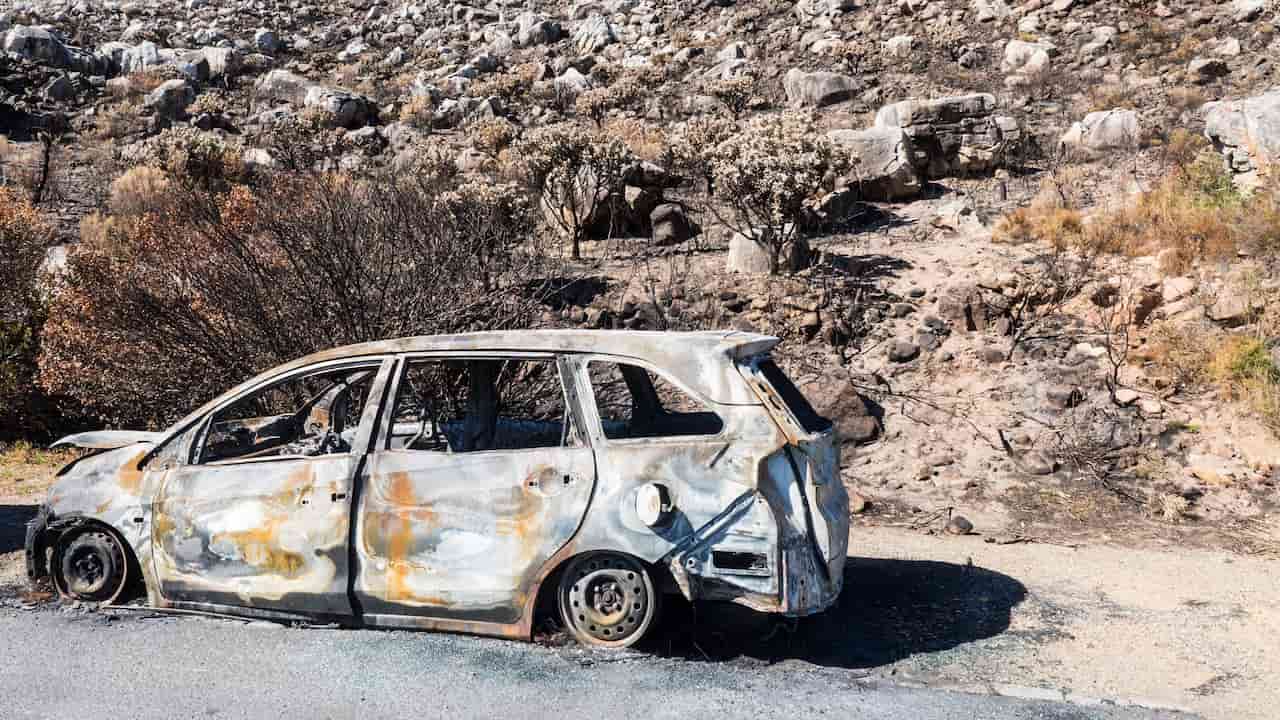
The device, planted underneath his vehicle, detonated shortly after the journalist dropped his family off at home. The blast ignited the car, killing Aydah instantly while he was alone. No terrorist faction or political group has claimed responsibility for the assassination as of Thursday.
Mukalla security directorates had warned Aydah approximately a month before his death that he faced imminent danger. He had reportedly been subjected to continuous intimidation leading up to the fatal attack. The incident involved an explosive device known as a sticky bomb, a tactic increasingly utilized in the region to target journalists and officials by bypassing standard security checkpoints.
The assassination occurred amid heightened political friction in the region. Recent months have seen significant clashes between Saudi-backed government forces and the United Arab Emirates-supported Southern Transitional Council, which holds a heavy presence in the area. The Southern Transitional Council condemned the killing, suggesting the attack signaled broader security issues within Hadramout.
Rashad al-Alimi, the head of Yemen’s Presidential Leadership Council, directed the formation of a high-level joint investigation committee. The group includes representatives from military intelligence, state security, and the Interior Ministry to pursue the perpetrators. The Yemeni Journalists Syndicate also issued a formal condemnation of the bombing.
“Yemen remains one of the world’s most perilous landscapes for active media personnel,” the syndicate stated following the incident.
Yemen has been mired in conflict since 2014, when Iran-backed Houthi forces captured the capital, Sanaa, prompting an intervention by a Saudi-led coalition. According to reports from press freedom groups, the country is currently one of the top five most dangerous nations for media workers, with more than 45 journalists killed since the civil conflict intensified.