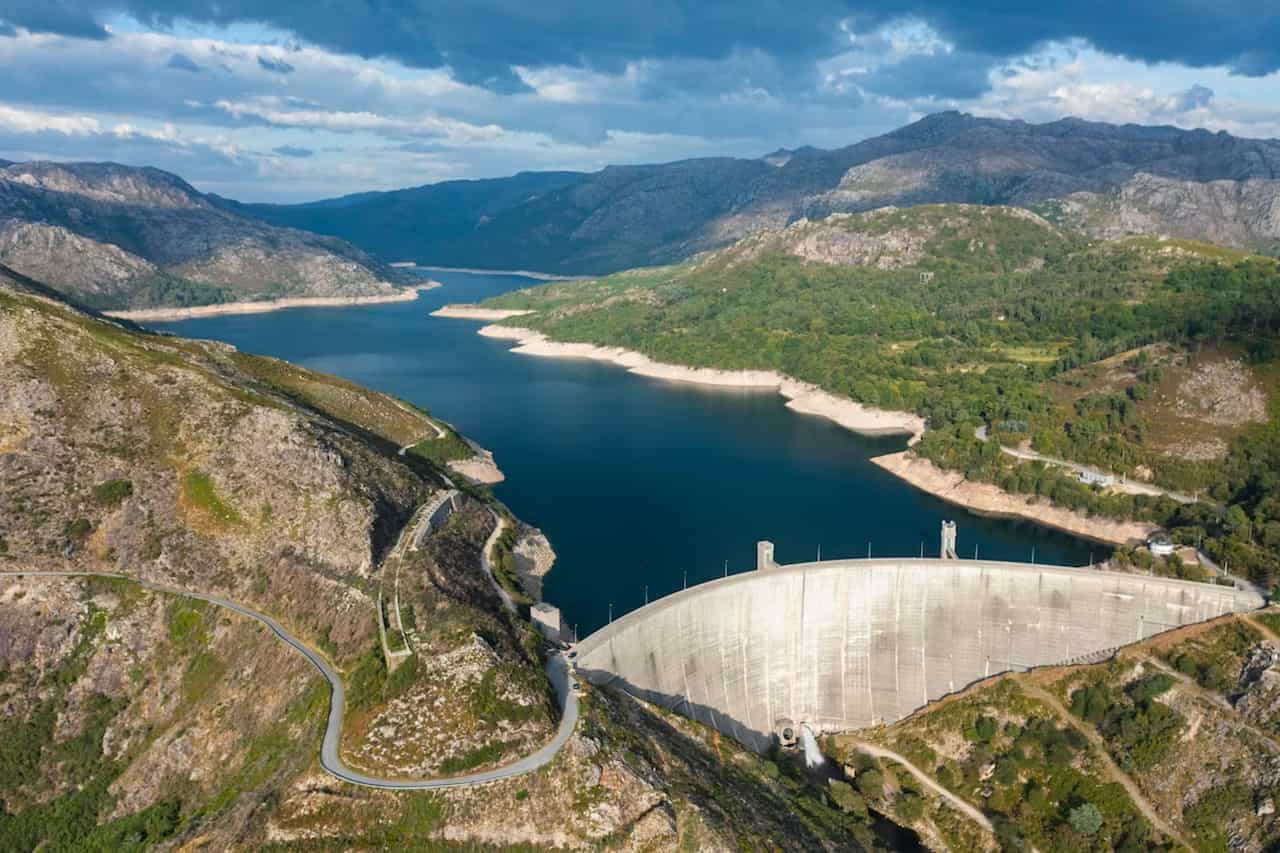
LONDON, June 26 (Parliament Politics Magazine) – Great Britain is set to see the development of its first major pumped storage hydropower projects in more than 40 years after the energy regulator gave a provisional green light to a series of new infrastructure plans. This historic move marks the first time large-scale facilities of this kind will be constructed since the completion of the Dinorwig power station in North Wales in 1984.
The decision is part of an initiative to bolster national energy security, reduce reliance on volatile international gas markets, and stabilize the grid. Ofgem has granted provisional approval to 16 long-duration electricity storage projects across England, Scotland, and Wales.
These systems are designed to act as giant water batteries, pumping water uphill when energy is cheap and releasing it to generate power when demand spikes. The projects are expected to be built by the early 2030s, providing critical stability to an electricity network increasingly dependent on intermittent renewable sources like wind and solar.
Expanding National Storage Capacity
Three of the approved pumped storage hydroelectric power station sites are located in northern Scotland. These facilities will utilize the region’s lochs to serve as natural reservoirs for the hydropower stations.
The Loch Kemp project, developed by Statera Energy, plans to draw water from Loch Ness. SSE’s Coire Glas project is designed to draw from Loch Lochy between Fort William and Inverness. Additionally, the Earba project by Gilkes Energy will use Loch Leamhain and Loch Earba to develop what is anticipated to be the largest pumped storage hydro facility in the UK.
The energy minister, Michael Shanks, stated:
“Forty years after the country’s last pumped storage facility, this government is getting Britain building again. The lesson from the conflict in Iran is clear: Britain cannot afford to remain at the mercy of volatile fossil fossil markets and leave families exposed to the next price shock.”
Financial Framework for Growth
To attract investment for these multi-billion-pound infrastructure developments, Ofgem is utilizing a financial mechanism known as the cap and floor model. This structure guarantees a minimum income for developers while capping maximum returns, ensuring these projects remain viable while protecting consumers from excessive costs.
The 16 approved initiatives encompass more than just pumped hydro. The list includes advanced storage technologies such as compressed air, lithium-ion, and vanadium redox flow batteries. These systems are capable of storing and releasing electricity for periods of eight hours or more.
For example, a compressed air energy storage scheme in Tees, developed by TeesCAES, plans to use surplus electricity to compress air to approximately 70 bar pressure. This air can then be released to spin generating turbines during times of high demand. Invinity Energy Systems is also planning to use vanadium redox flow battery technology, which uses liquid electrolytes to generate an electrical current rather than the solid components found in standard lithium-ion batteries.
Modernizing the Power Grid
The need for these projects has become more apparent as the grid operator, NESO, has faced supply constraints driven by extreme weather. During periods of high temperatures or low wind output, the grid has previously had to rely on emergency power imports from Europe at high costs.
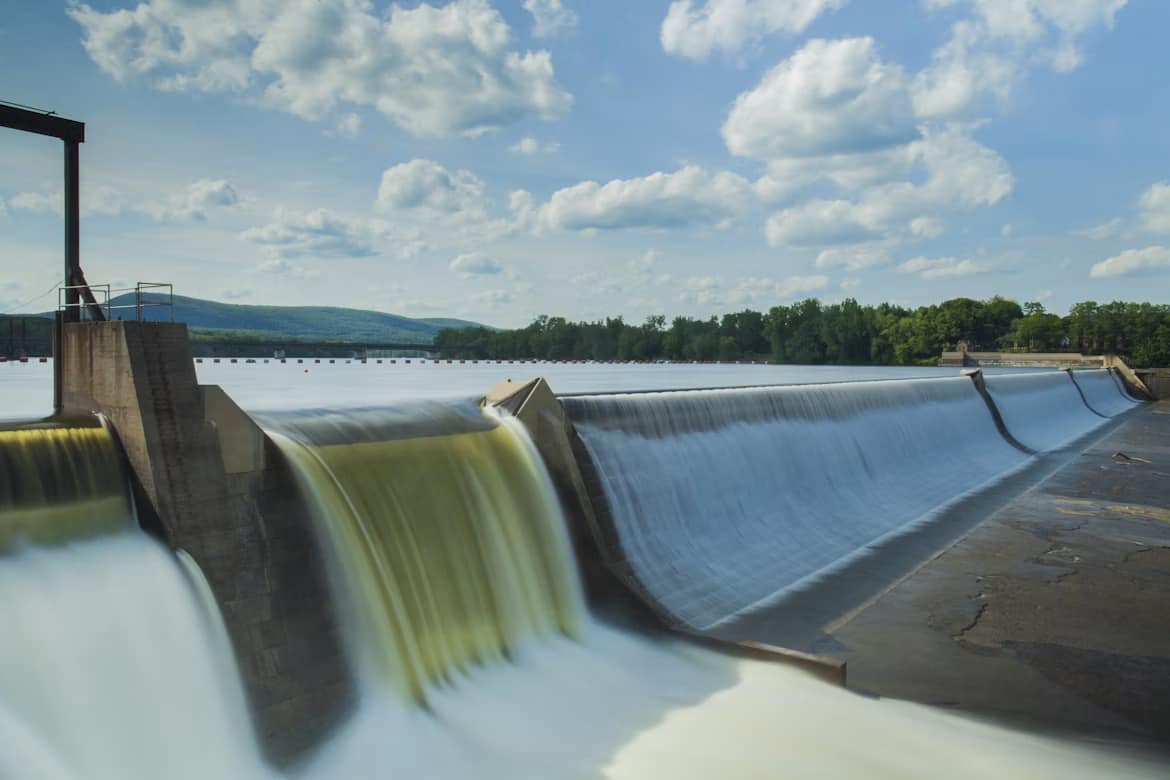
The new hydro facilities will follow the legacy of the Dinorwig power station, which is known for its ability to generate electricity in seconds. By utilizing flows of falling water to drive turbines, these stations can provide an immediate response to fluctuations in power demand.
Akshay Kaul, the director general for infrastructure at Ofgem, noted that the regulator is creating the right environment for renewable energy to thrive. He emphasized that these projects are essential for maintaining a secure supply during periods of cold, hot, still, or cloudy weather when traditional solar or wind output may be low.
By integrating these diverse storage technologies, the UK aims to balance the supply and demand of electricity more effectively. As the country continues its transition toward a cleaner power system, these large-scale storage projects are intended to serve as a safety net, capturing excess renewable generation and releasing it when the national grid needs it most.