SEOUL, June 26 (Parliament Politics Magazine) – The South Korean Defence Ministry has unveiled an ambitious military strategy to train 500,000 personnel as drone warriors. This initiative aims to counter rising security threats from North Korea while simultaneously modernizing the nation’s armed forces to address significant demographic shifts.
Defence Minister Ahn Gyu-back officially announced the move, which involves deploying approximately 60,000 military drones by 2029. Starting immediately, the ministry plans to introduce around 11,000 units into active service across the Army, Navy, Air Force, and Marine Corps.
Drones as Universal Combat Tools
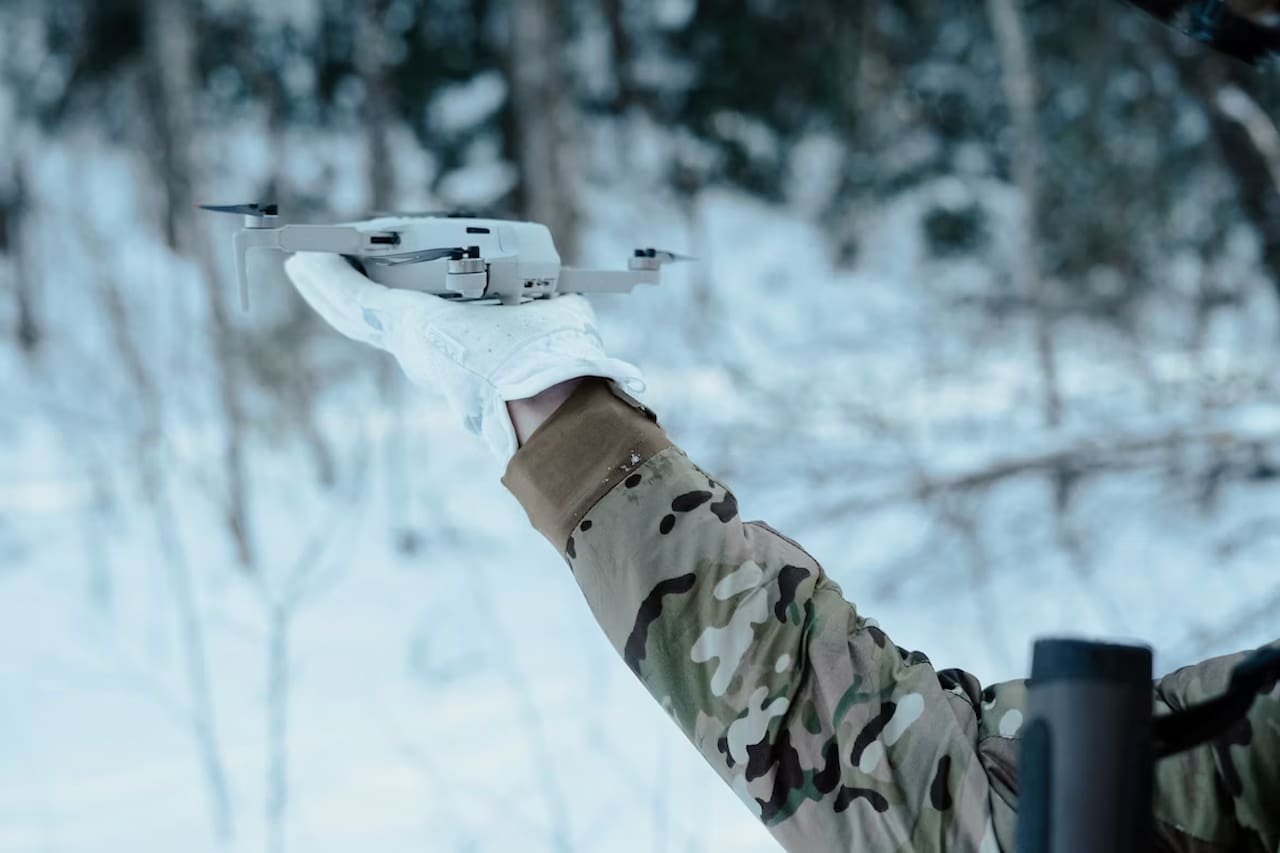
The core of this policy is a paradigm shift in how unmanned systems are utilized on the battlefield. Rather than keeping these assets within specialized units, the government intends to issue them across all services to make them a standard piece of equipment for individual soldiers.
“Drones should no longer be equipment used by a limited number of units, but a universal combat tool,” Ahn said during a recent briefing.
By treating these systems as a second personal weapon, the military hopes to integrate surveillance and strike capabilities directly into the hands of frontline troops. The strategy includes acquiring 20,000 low-cost, expendable drones, alongside advanced AI-powered swarm systems and loitering munitions.
Domestic Sourcing
To maintain national security, the Defence Ministry has confirmed it will rely entirely on domestically produced components. This decision to move away from Chinese parts aims to prevent potential geopolitical tampering or remote tracking.
The government is also revamping procurement rules to speed up the adoption of civilian technology. By positioning the military as a major buyer, officials hope to foster a robust domestic drone ecosystem that supports local software and robotics startups.
Addressing New Security Realities
The impetus for this pivot comes from a combination of modern battlefield lessons and regional tensions. Global conflicts in Ukraine and the Middle East have demonstrated how massive numbers of inexpensive, automated drones can redefine conventional warfare.
Furthermore, South Korea faces an acute shrinking military workforce due to a low birth rate. Automated and unmanned hardware has become essential to sustain long-term defense capacity. The urgency is also bolstered by North Korea’s own advancements in tactical missile warheads and artillery systems, which are reportedly aided by technology transfers from Russia.
Restructuring After Past Incidents
The program follows a significant administrative transition. The previous centralized Drone Operations Command has been dismantled in the wake of legal proceedings against former President Yoon Suk Yeol. A court recently sentenced the former leader to 30 years in prison for orchestrating an illegal cross-border military drone incursion in 2024.
Under the new architecture, tactical operations are delegated directly to individual military units. A newly formed National Defense Drone Headquarters will now focus strictly on policy, capability development, and procurement support rather than direct field command.
Advanced Countermeasure Systems
Alongside the expansion of its own drone fleet, the military is investing in high-tech defensive measures. The plan includes the deployment of laser systems and high-power microwave weapons designed to intercept or neutralize incoming enemy hardware. These countermeasures are intended to address gaps exposed by previous security breaches, ensuring that South Korea can effectively manage threats to its military and civilian facilities.