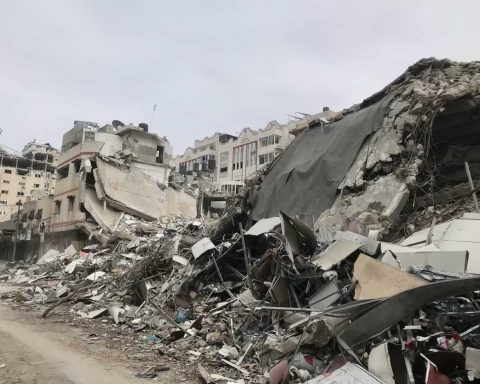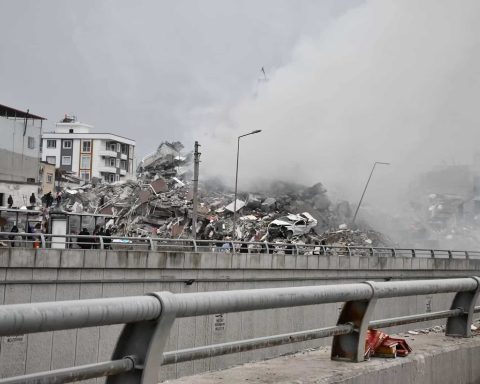
DOHA, June 29 (Parliament Politics Magazine) – International mediators have established direct coordination and communication channels to prevent accidental escalations between the United States and Iran. This development comes after intense weekend strikes threatened the survival of a 14-point memorandum of understanding signed on June 17, which had briefly halted four months of severe regional warfare.
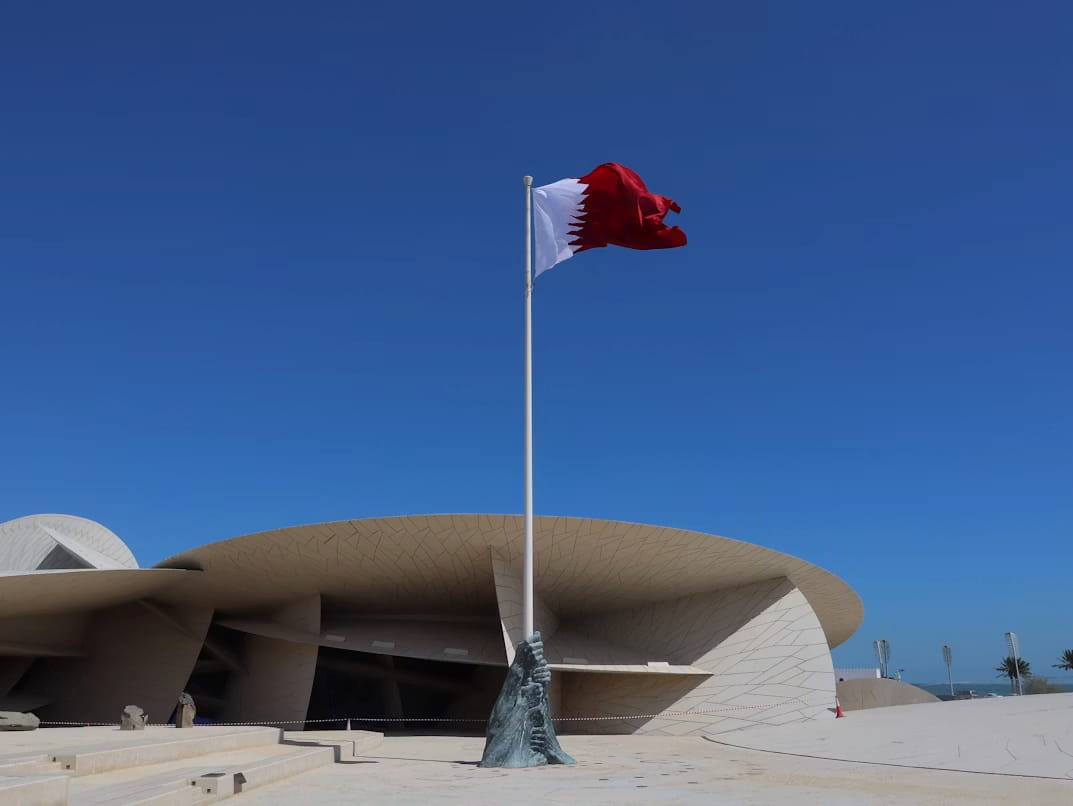
Technical teams from both nations are expected to meet in Doha in the coming days to discuss the implementation of the agreement. This roadmap aims to finalize peace terms over a 60-day period.
Tit for Tat Strikes Disrupts Accord
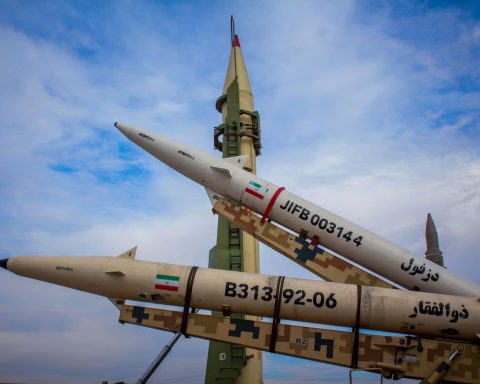
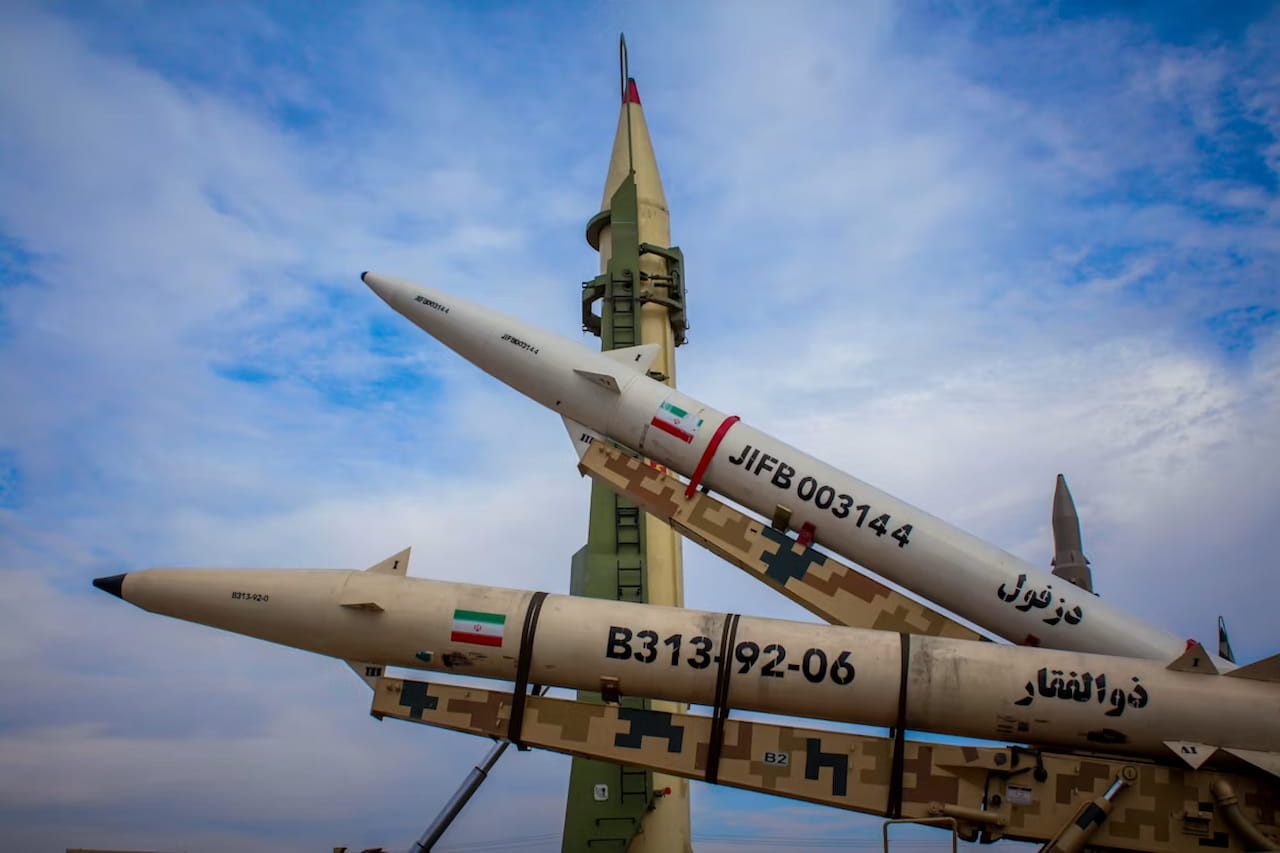
The fragile interim peace faced significant strain over the weekend. Iran’s Islamic Revolutionary Guard Corps fired missiles and drones at U.S. military sites in Kuwait and Bahrain, claiming these actions were retaliation for prior U.S. airstrikes.
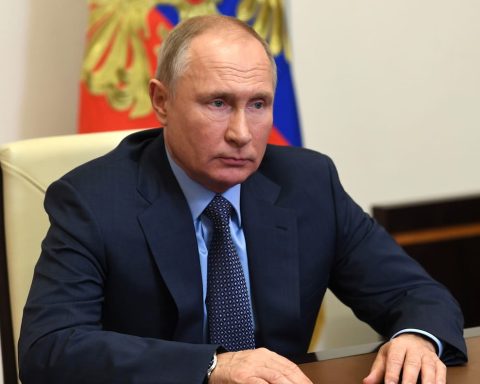
U.S. President Donald Trump addressed the escalation on social media, warning that further strikes could lead to the total destruction of the Iranian regime. Following these threats, Kuwait’s army reported that its air defenses intercepted two ballistic missiles, while authorities in Bahrain noted that an Iranian attack damaged a residential building.
While sources familiar with the discussions indicated that technical talks would proceed in Qatar, Iranian officials offered conflicting signals. Iran’s Deputy Foreign Minister Kazem Gharibabadi stated on Monday that working group meetings were not scheduled for this week and that the Doha discussions were not officially confirmed.
“Technical talks are slated to continue on all areas of the MoU. Both sides will stand down for now and vessels can move freely,” a U.S. official said.
Despite this uncertainty, Iranian President Masoud Pezeshkian described the recent memorandum as a major victory for the Iranian people. He noted that the accord resulted in the lifting of sanctions on Iran’s oil and petrochemical sectors and the release of $6 billion in frozen assets previously held in Qatar.
The conflict has had immediate effects on global energy markets. The closure of the Strait of Hormuz, a critical transit route for oil and liquefied natural gas, previously pushed global prices above $100 per barrel.
Prices for Brent crude have since stabilized at approximately $72 per barrel on news of a return to diplomatic efforts. Analysts at ING have expressed caution, describing the current market optimism as unusual given the persistent risks in the region.
Hidden Diplomacy During Standoffs
The path to the current framework involved unconventional diplomatic maneuvers. During initial negotiations in Islamabad, Seyed Abbas Araghchi reportedly exited the room 78 seconds after U.S. officials arrived, adhering to Iran’s policy against direct face-to-face meetings.
The final breakthrough was achieved after a continuous 21-hour negotiation session in Switzerland. Behind-the-scenes efforts included secret work by Oman, which utilized Swiss couriers to deliver handwritten notes between Washington and Tehran for three weeks prior to the public announcement.
The agreement includes complex economic components. A specific clause regarding the release of $12 billion in restricted funds requires Iran to utilize a portion of those assets for the purchase of U.S. agricultural exports, specifically soybeans from the Midwest.
Regional complexities also remain, particularly regarding Lebanon. Iranian officials have maintained that any definitive end-of-war deal must include the withdrawal of Israeli troops from southern Lebanon. Lebanon’s Parliament Speaker Nabih Berri has voiced opposition to separate U.S.-brokered deals, warning against potential divisions within the country.