Jerusalem, February 11, 2026 — According to Parliament News, that The Gaza conflict update in 2026 reflects an evolving regional crisis shaped by security operations, diplomatic negotiations, and mounting humanitarian concerns. Officials in Jerusalem confirmed continued monitoring of developments as mediators work to prevent further escalation. The Gaza conflict update highlights shifting political calculations, cross border tensions, and renewed calls for restraint from international leaders.
This Gaza conflict update arrives at a critical moment, as policymakers weigh security priorities against humanitarian obligations. Governments across the region remain engaged in urgent consultations, seeking to stabilize conditions and restore a measure of predictability to an increasingly fragile landscape.
Security Conditions and Military Posture
The latest Gaza conflict update indicates fluctuating security conditions across several sensitive areas. Authorities reported precautionary deployments and targeted responses designed to deter further violence while avoiding broader confrontation.
Defense analysts note that the Gaza conflict update demonstrates a strategy focused on containment. Short term tactical operations are paired with diplomatic messaging intended to signal openness to de escalation. However, sporadic incidents continue to test fragile calm.
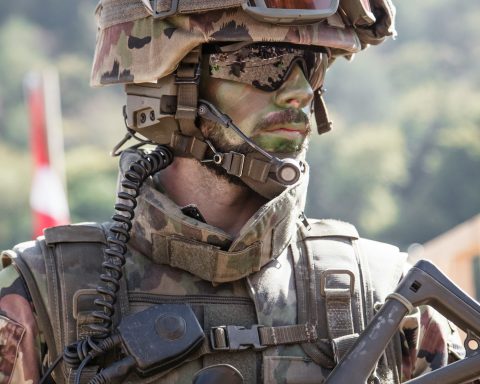
Security forces remain on heightened alert along border zones. Surveillance, reconnaissance, and intelligence coordination have intensified in response to recent developments. The Gaza conflict update underscores the delicate balance between deterrence and escalation.
Military experts emphasize that sustained stability depends on disciplined communication channels and rapid response mechanisms capable of preventing localized incidents from expanding into larger clashes.
Diplomatic Engagement and Mediation Channels
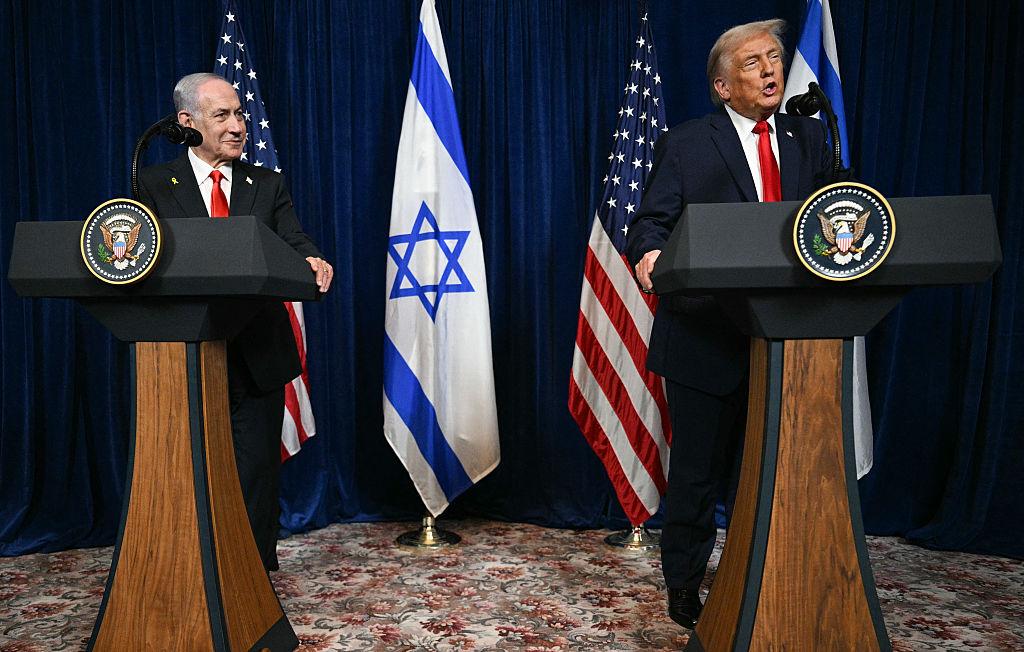
Diplomatic activity has accelerated following the latest Gaza conflict update. Regional intermediaries and international envoys have initiated renewed consultations aimed at establishing temporary ceasefire arrangements and humanitarian corridors.
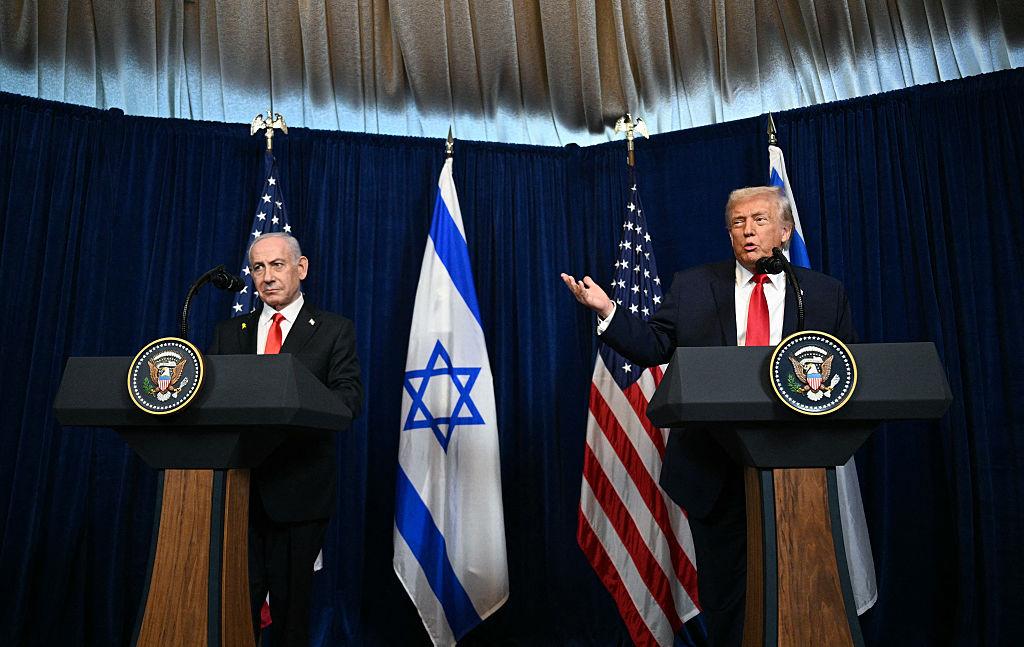
Officials familiar with negotiations describe discussions as cautious but constructive. The Gaza conflict update has prompted a renewed sense of urgency among mediators who recognize the humanitarian toll of prolonged instability.
One senior diplomatic official involved in talks stated,
“The priority now is to protect civilians and create space for dialogue that can reduce tensions and open a pathway toward sustainable calm.”
This statement reflects the broader consensus emerging from the Gaza conflict update: without coordinated diplomacy, cycles of escalation may persist.
International organizations are also exploring monitoring mechanisms to reinforce compliance with agreed frameworks. Observers believe transparency and third party oversight could play a vital role in stabilizing the situation.
Humanitarian Pressures and Civilian Impact
Humanitarian agencies report increasing strain on essential services. Medical facilities face supply shortages, while displaced families require urgent support. The Gaza conflict update reveals the human dimension of ongoing instability, with civilians bearing the brunt of disruptions.
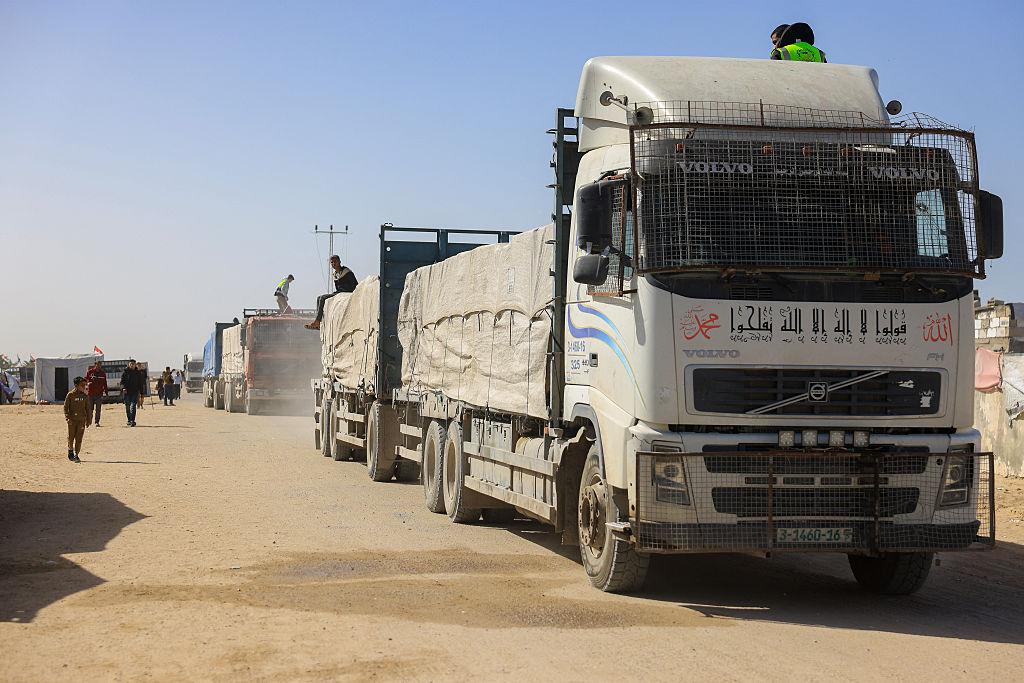
Relief convoys continue to operate under complex security conditions. Aid organizations are coordinating closely with local authorities to ensure safe passage for food, water, and medical supplies. The Gaza conflict update highlights the importance of uninterrupted humanitarian access.
Community leaders describe daily challenges, including intermittent power outages and restricted movement. Education systems in some districts have been temporarily suspended, adding to social and economic stress.
International donors are reviewing emergency assistance packages. However, long term reconstruction will require sustained calm and coordinated planning. The Gaza conflict update underscores that humanitarian stabilization and political resolution must proceed together.
Regional Political Dynamics
Neighboring governments have responded carefully to the Gaza conflict update. Some have publicly called for immediate de escalation, while others have emphasized security cooperation and defensive preparedness.
Regional alliances and geopolitical rivalries influence diplomatic positioning. The Gaza conflict update has reignited debates within multilateral forums about enforcement mechanisms and reconstruction funding.
Political analysts suggest that broader Middle East diplomacy will shape future developments. Confidence building measures between regional actors could reduce the risk of spillover effects.
International partners are encouraging balanced rhetoric to prevent inflammatory narratives from undermining negotiation efforts. The Gaza conflict update remains a focal point in foreign policy discussions across several capitals.
Economic Consequences and Infrastructure Damage
Economic analysts warn that repeated instability may hinder investment and slow recovery. Infrastructure assessments reveal damage to transportation networks and public utilities. The Gaza conflict update signals potential ripple effects across trade routes and supply chains.
Business leaders emphasize that predictable conditions are essential for economic resilience. The Gaza conflict update highlights the link between security stability and sustainable development.
Reconstruction planning remains contingent on a durable ceasefire. Donor nations are evaluating funding frameworks tied to compliance benchmarks. Economists caution that delays in rebuilding efforts could prolong hardship and deepen social inequalities.
International Community Response
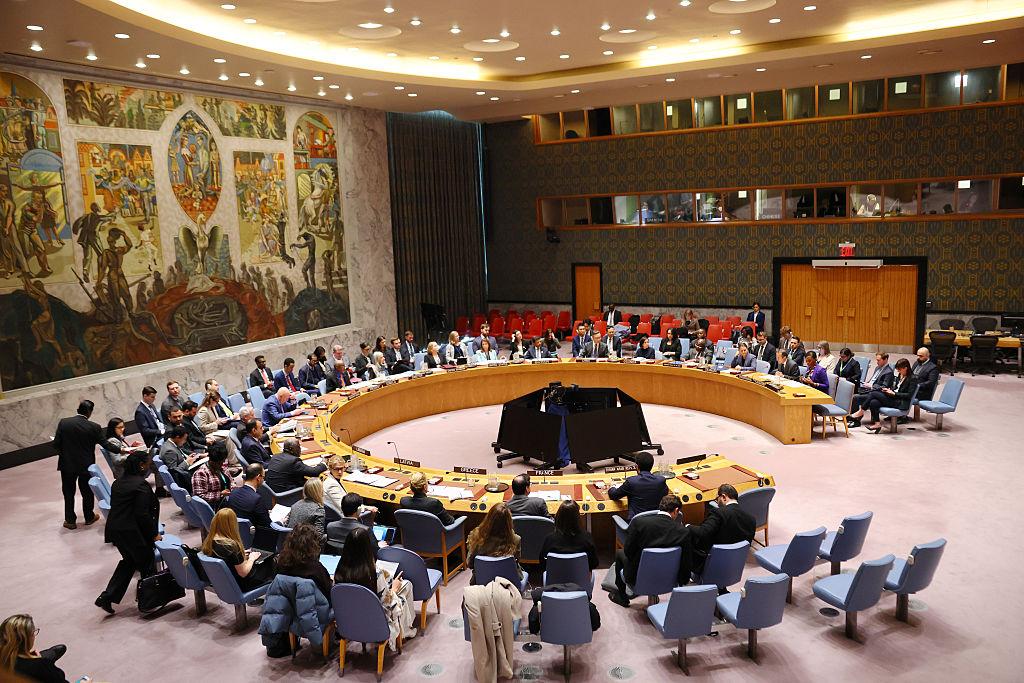
The United Nations and other global institutions have issued statements following the recent Gaza conflict update, urging adherence to humanitarian law and protection of civilians.
Diplomatic delegations are preparing further consultations focused on ceasefire monitoring and conflict mitigation strategies. The Gaza conflict update has also prompted renewed attention to regional peace initiatives that have remained dormant in recent years.
Human rights organizations continue documenting developments, emphasizing accountability and transparency. The Gaza conflict update demonstrates the interconnected nature of local events and global diplomatic engagement.
Global reactions have ranged from calls for restraint to offers of mediation support. Analysts note that unified messaging from major powers could strengthen de escalation efforts.
Media Coverage and Information Challenges
Accurate reporting remains critical during periods of tension. Journalists covering the Gaza conflict update face logistical and safety challenges while striving to verify information from multiple sources.
Media analysts stress the importance of responsible communication to prevent misinformation. The Gaza conflict update has generated widespread international attention, highlighting the need for fact based reporting.
Official briefings aim to provide clarity and reduce speculation. Transparent updates from authorities may help maintain public confidence and support diplomatic initiatives.
Historic Comparison
The current crisis invites historic comparison with previous periods of regional escalation. Earlier decades witnessed cycles of confrontation followed by negotiated pauses, often shaped by shifting alliances and external mediation efforts.
Like past conflicts, the Gaza conflict update illustrates how localized incidents can carry broader geopolitical consequences. However, technological advancements in surveillance, communication, and international diplomacy have altered the landscape. Modern mediation mechanisms are more structured, and global audiences receive information in real time.
History suggests that sustainable resolution requires comprehensive agreements addressing political representation, security guarantees, and economic reconstruction. The Gaza conflict update may therefore represent another chapter in a long and complex diplomatic journey, shaped by lessons learned from earlier attempts at stabilization.
Prospects for Ceasefire and Long Term Stability
Diplomatic sources express cautious optimism that renewed dialogue could produce incremental progress. The Gaza conflict update indicates recognition among stakeholders that continued escalation carries significant costs.
Ceasefire frameworks under discussion include monitoring arrangements and phased humanitarian expansions. Analysts argue that gradual confidence building steps may provide a foundation for broader negotiations.
The Gaza conflict update underscores the necessity of balancing immediate relief efforts with long term political engagement. Durable peace will likely depend on sustained commitment from regional actors and international partners.
Security experts emphasize that addressing underlying grievances alongside immediate operational concerns is essential for lasting stability.
Pathways Toward Responsible De Escalation
As policymakers assess next steps, attention remains focused on responsible de escalation strategies. The Gaza conflict update reflects both the volatility of the current moment and the opportunity for renewed diplomatic engagement.
Regional leaders continue to weigh political considerations against humanitarian imperatives. The Gaza conflict update serves as a reminder that crisis management requires coordination across security, economic, and diplomatic domains.
In 2026, developments in Jerusalem remain closely monitored by global audiences. The Gaza conflict update stands as a defining test of diplomatic resolve, humanitarian commitment, and strategic restraint.
The coming months will determine whether renewed negotiations can transform fragile calm into a sustainable framework for coexistence. While uncertainty persists, intensified engagement suggests recognition of the urgent need for long term stability.