

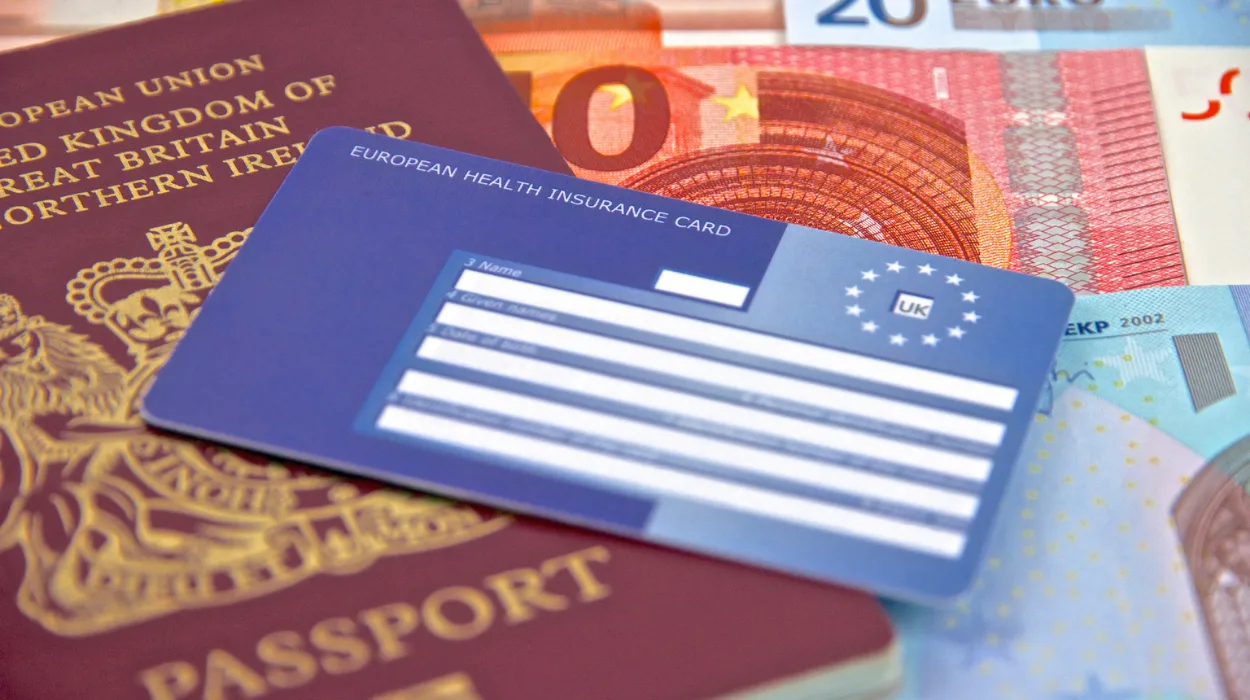
Traveling across Europe and beyond is easier than ever, but health coverage remains a critical consideration for UK nationals and visitors to the UK from the European Union (EU). Understanding EU travel insurance and UK national health services, including reciprocal healthcare agreements and the importance of travel insurance, is vital for a secure and hassle-free trip.
This comprehensive guide explains how health insurance systems interact, what coverage is available under the EU agreements and the UK’s National Health Service (NHS), and key factors travelers and expatriates need to consider for medical safety abroad.
Understanding the UK National Health Service and EU Reciprocal Coverage
The NHS is a publicly funded healthcare system offering residents free or subsidized medical treatment. Unlike many EU counterparts, the NHS primarily relies on residency rather than insurance contributions for access. However, with the UK’s departure from the EU, arrangements have evolved, impacting how UK nationals and EU citizens receive health care when traveling.
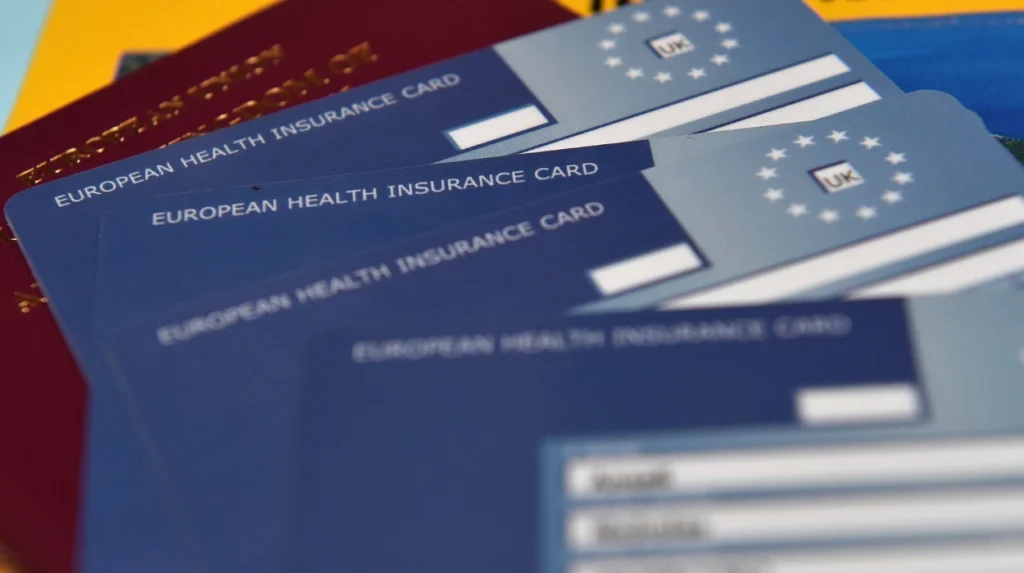
Prior to Brexit, the European Health Insurance Card (EHIC) allowed UK residents to access medically necessary state healthcare in EU countries, and similarly, EU citizens could access NHS care during visits. The UK has introduced the UK Global Health Insurance Card (GHIC) to replace the EHIC, covering state-provided healthcare across the European Economic Area (EEA) and some additional countries.
The GHIC is not an alternative to travel insurance but provides essential coverage for necessary treatment during temporary stays. Travelers must understand the differences between emergency treatment covered by GHIC/EHIC and the broader protections offered by private travel insurance.
Why Travel Insurance Is Essential Even with UK-EU Reciprocal Health Agreements
While the UK GHIC or EHIC offers coverage for necessary medical treatment, it does not extend to private care costs, repatriation, or other expenses such as mountain rescue or lost possessions. Therefore, comprehensive travel insurance is essential.
The UK government’s Foreign, Commonwealth & Development Office (FCDO) strongly advises travelers to obtain suitable travel insurance that covers pre-existing conditions, emergency evacuations, and all activities planned during the trip. Without adequate insurance, the financial consequences of unexpected health events abroad could be severe, as emergency healthcare and repatriation can cost thousands of pounds.
What Should Your EU Travel Insurance Cover?
When selecting insurance for travel within the EU or visiting the UK as an EU national, it is important to choose policies that provide comprehensive coverage for the full duration of your trip, including any transit countries you may pass through. Ensure that your insurance includes emergency medical treatment at both public and private hospitals, as healthcare costs abroad can be substantial.
Ambulance services and emergency transport should also be covered, as these are often charged separately from other medical expenses and can significantly impact the overall costs.
If you have any pre-existing medical conditions, it is crucial to declare these before traveling so that you are properly covered in case of related complications. Additionally, if you plan to engage in sports or adventure activities during your trip, verify that your policy explicitly includes coverage for these activities to avoid exclusions. In the event of severe illness or death, your insurance should cover repatriation costs, ensuring you can return home safely.
Furthermore, reasonable expenses for accommodation and travel for family members or friends accompanying you should be included to support your recovery and travel needs. Many insurers also offer 24-hour emergency helplines providing guidance and assistance, which can be invaluable when navigating foreign healthcare systems during unexpected situations.
Policy Exclusions to Watch Out For
Travel insurance policies often exclude coverage in certain scenarios, so it is crucial to read terms carefully:
- Excessive alcohol or drug use related incidents
- Travel to high-risk destinations against FCDO advice
- Pre-existing mental health condition treatments (unless declared)
- Certain extreme sports like bungee jumping or skydiving without add-ons
- Use of quad bikes or mopeds unless separately insured
- Costs due to civil unrest or industrial action if foreseeable at booking
- Patient refusal to declare pre-existing conditions risks invalidating claims
Choosing insurance aligned with personal travel risk profiles is essential to avoid unexpected costs.
Insurance Options for Extended and Long-Term Travel
For longer stays abroad, including expatriates living temporarily or permanently in the EU or the UK, it is advisable to opt for specialized health insurance policies designed for extended travel or expatriate needs. These plans typically provide coverage that extends far beyond short vacations, often offering annual or multi-year terms to ensure continuous protection. Expats benefit from access to private healthcare providers worldwide, affording greater flexibility and often quicker access than public healthcare systems.
Such policies usually include support for pre-existing health conditions and chronic illnesses, addressing a critical need for ongoing medical management. Additional options frequently encompass maternity care, repatriation services, and outpatient treatments, providing comprehensive health support tailored to an expat’s lifestyle.
Well-known providers such as Cigna Global, GeoBlue, and IMG Global offer customized insurance plans ideally suited for UK nationals living in EU countries or other parts of the world, ensuring peace of mind and reliable healthcare coverage during their international stay.
How Does the Immigration Health Surcharge Affect UK Nationals and Foreign Nationals?
British nationals moving to the EU or EU citizens moving to the UK often have important questions about their health coverage obligations. UK nationals who reside in EU countries and maintain ongoing healthcare rights under S1 agreements can access state healthcare with minimal costs, allowing them to benefit from public health services similar to local residents.
For foreign nationals visiting or working in the UK for more than six months, payment of the Immigration Health Surcharge is generally required; this surcharge grants access to NHS services on a similar basis to UK residents. However, short-term visitors and tourists typically have limited entitlement to NHS care and are advised to obtain full travel insurance to cover potential medical needs during their stay.
Understanding these nuances is essential to avoid costly surprises and to ensure continuity of healthcare when living or traveling abroad.
Steps to Access Healthcare Using The GHIC or EHIC
To use the UK GHIC or a valid EHIC when visiting an EU country or the UK:
- Carry your health card at all times during travel.
- Present your card at healthcare facilities when treatment is needed.
- Access medically necessary state-provided care without upfront payment, except for applicable charges such as prescriptions.
- Remember GHIC/EHIC does not cover private healthcare, planned treatments, or repatriation expenses.
In case of lost or stolen cards, visitors can request a Provisional Replacement Certificate to access care temporarily.
Comparison of NHS and European Healthcare Models
The NHS is residence-based, prioritizing access for those living in the UK permanently or long-term, funded primarily through taxation and National Insurance. In contrast, many EU countries utilize insurance-based systems where coverage depends on direct or employer-paid insurance premiums.
This fundamental difference explains some of the complexities UK and EU nationals face when navigating reciprocal healthcare rights post-Brexit, emphasizing the necessity of complementary travel insurance.
Common Questions About EU Travel Insurance and UK National Health
Can UK Nationals Use the NHS While Traveling in the EU?
UK nationals with a valid GHIC can access medically necessary treatment in EU countries similarly to their citizens. However, travelers should always complement this with travel insurance due to coverage gaps.
Do EU Nationals Need Travel Insurance to Visit the UK?
EU nationals visiting the UK may use EHIC, GHIC, or other reciprocal arrangements for emergency care, but comprehensive travel insurance is strongly advised to cover private healthcare and repatriation.
What Happens If You Need Planned Medical Treatment Abroad?
Planned treatments typically require advance arrangements and approvals such as S2 forms where applicable. Travel insurance seldom covers planned treatments outside of home countries without prior organization.
Navigating the intersection of EU travel insurance and UK national health care requires understanding the scope of reciprocal agreements, the limits of state healthcare cards like GHIC/EHIC, and the crucial role comprehensive travel insurance plays in safeguarding health abroad. While the UK and EU maintain frameworks to ease access to necessary healthcare during temporary stays, these should never replace specialized travel insurance covering wider risks including repatriation, private care, and pre-existing conditions.
Anyone planning travel within Europe or moving between the UK and EU countries should carefully assess their insurance needs to ensure uninterrupted, affordable, and quality healthcare wherever their journey takes them.
