

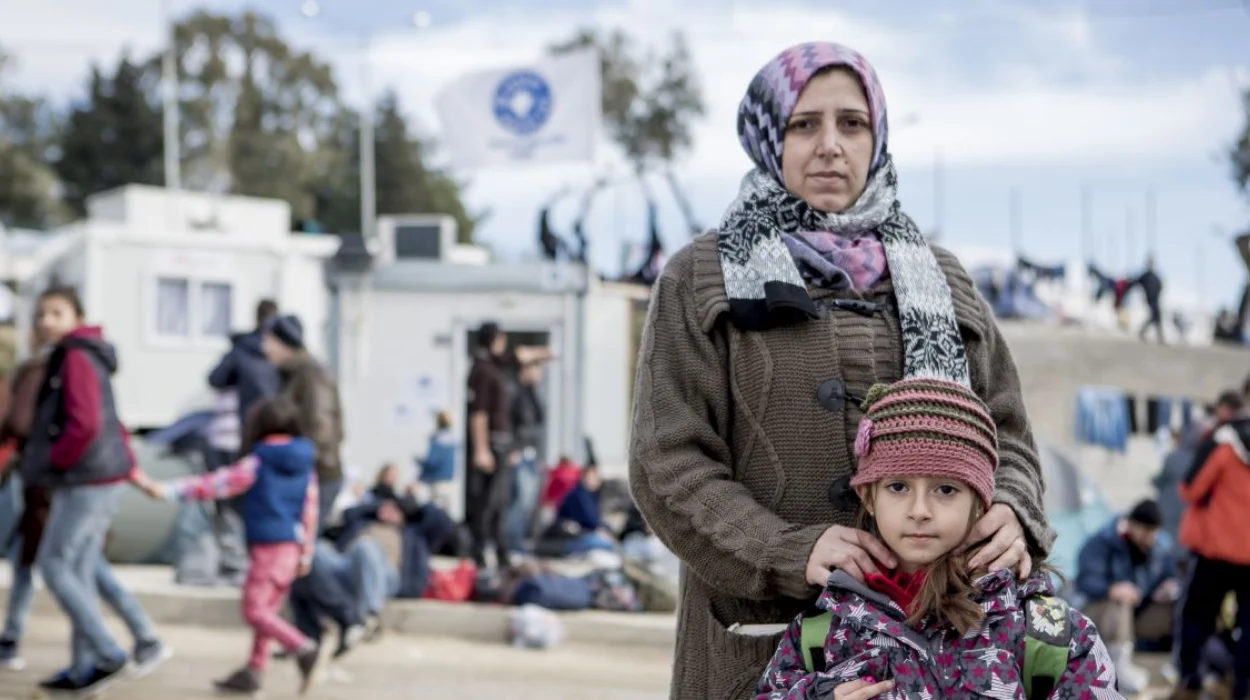
As the global conversation around migration intensifies, myths and misconceptions about refugees and asylum seekers continue to influence public opinion and policy. Many people encounter distorted narratives—such as claims of “illegal” or “bogus” asylum seekers—that obscure the legal, humanitarian, and sociopolitical realities of forced displacement.
Understanding the true nature of asylum, based on facts, international law, and global statistics, is essential to building informed, compassionate societies.
Who Are Refugees and Asylum Seekers?
At the core of understanding asylum is knowing the difference between a refugee and a person seeking asylum.
- Refugee: According to the 1951 United Nations Convention Relating to the Status of Refugees, a refugee is someone who, “owing to a well-founded fear of persecution for reasons of race, religion, nationality, membership of a particular social group, or political opinion,” is outside their country of nationality and unable or unwilling to return. Refugees are formally recognized by governments—such as the UK—when their asylum claims meet these criteria and are subsequently granted refugee status documentation.
- Person Seeking Asylum: This is an individual who has fled their country and officially applied for protection in another country but whose application has not yet been decided. While awaiting determination, they are considered asylum seekers. Importantly, the term “person seeking asylum” is preferred over “asylum seeker” to emphasize their humanity and avoid dehumanizing language.
- Migrant: Distinct from refugees and asylum seekers, migrants relocate primarily for reasons like employment or family reunification, rather than due to persecution or violence.
- Refused Asylum Applicant: An asylum seeker whose application has been legally rejected and who typically does not hold other protection claims. Some may return voluntarily, but many cannot return safely due to ongoing conflict or persecution in their countries of origin.
Clarifying these definitions helps counter unfounded fears and prejudices often associated with forced migration.
The Global Scale of Forced Displacement
According to data compiled by the United Nations High Commissioner for Refugees (UNHCR) and other international bodies, the scope of forced displacement worldwide is immense. There are over 89 million forcibly displaced individuals, including refugees, internally displaced persons (IDPs), and asylum seekers. Of these, approximately 27 million people qualify as refugees, having fled their countries due to persecution, conflict, or widespread violence. Notably, about 72% of refugees live in developing countries neighboring their countries of origin, a fact that is often overlooked in public discussions.
These host nations frequently shoulder significant humanitarian responsibilities, often under considerable economic pressure. For instance, Turkey is currently the largest refugee-hosting country, providing refuge to over 3.7 million Syrians displaced by ongoing conflict. In contrast, the United Kingdom accommodates around 1% of the global refugee population and has resettled tens of thousands of refugees through initiatives like the Vulnerable Persons Resettlement Scheme, which prioritizes those fleeing crises such as the Syrian war.
These statistics underscore the disproportionate burden faced by developing countries and emphasize the critical need for global solidarity and equitable responsibility-sharing.
Why Do People Seek Asylum?
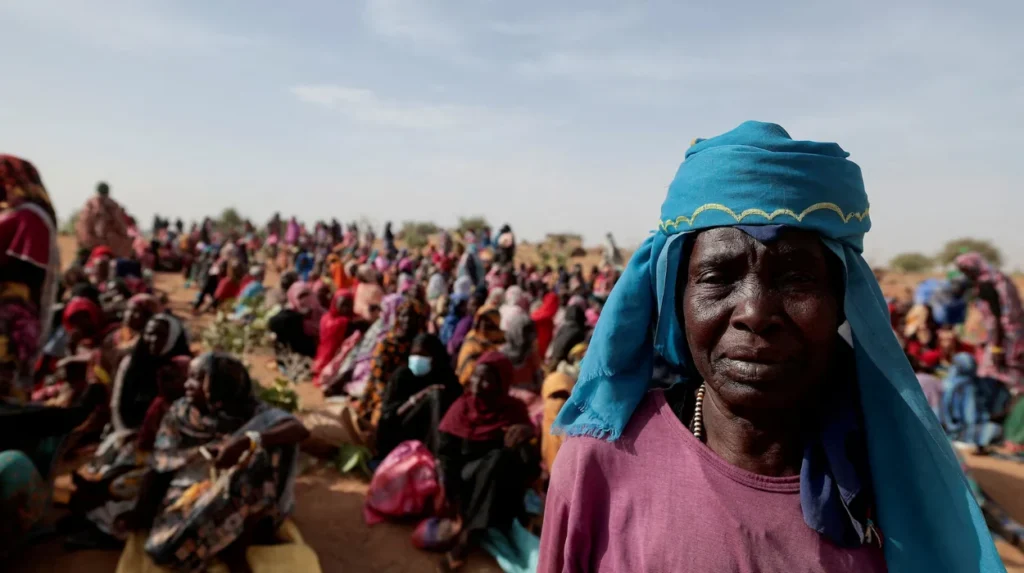
People seek asylum primarily to escape immediate threats such as persecution, armed conflict, and widespread human rights abuses. The leading countries producing the largest numbers of refugees typically share characteristics like ongoing violence, political repression, or ethnic strife.
In recent years, a substantial share of the global refugee population has come from just a handful of countries, including Syria, where millions have been displaced by civil war; Venezuela, which faces a severe political and economic crisis; Afghanistan, enduring prolonged conflict and instability; as well as South Sudan and Myanmar, both affected by ethnic violence and turmoil.
Claims that some asylum seekers arrive without legitimate reasons are contradicted by international law, which upholds the right to seek asylum regardless of the means of travel. Often, refugees must resort to irregular routes out of urgent necessity, as safe and legal pathways are unavailable. Under the 1951 Refugee Convention, no refugee is considered “illegal.”
Asylum Rights and Procedures under International Law
The cornerstone of asylum protections is the 1951 Refugee Convention and its 1967 Protocol, which guarantee the right to seek asylum and prohibit the forced return (refoulement) of persons to countries where they face serious threats.
Other regional agreements and EU regulations establish frameworks for asylum processing, including mechanisms that determine asylum responsibilities among countries.
- While it is commonly assumed that refugees must claim asylum in the first safe country reached, international law does not require this. However, some European rules allow for the return of asylum seekers to the initial EU country where they arrived.
- Many countries through which asylum seekers travel may themselves be unsafe, lack refugee protections, or have not signed international conventions.
This complex legal landscape calls for compassionate, effective asylum systems that recognize the realities faced by displaced people.
Refugees’ Contributions to Host Societies
Refugees are often remarkably resilient individuals who strive to rebuild their lives despite facing numerous challenges. Contrary to the misconception that they are a burden, a growing body of evidence highlights their valuable contributions to host countries economically, socially, and culturally. For instance, hundreds of medically qualified refugees work within the UK’s healthcare system, where supporting the accreditation of foreign-trained doctors—though costly—helps alleviate critical workforce shortages.
Refugee children also enrich educational environments by fostering intercultural understanding, which strengthens schools and local communities. Additionally, many refugees become entrepreneurs, generating employment opportunities and driving innovation. Viewing refugees as assets rather than liabilities not only supports their successful integration but also challenges harmful and unfounded stereotypes.
The UK Asylum System: Facts and Realities
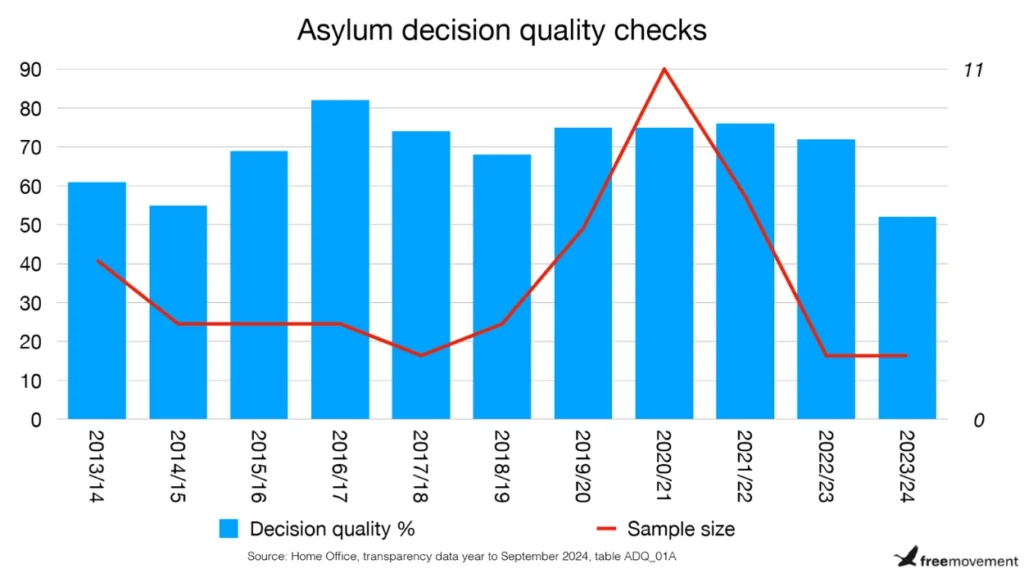
The UK asylum system is frequently depicted in extremes—either as overly generous or excessively harsh—but the reality is far more nuanced. Most asylum applications undergo rigorous scrutiny, requiring applicants to provide substantial evidence that they face persecution or harm in their home countries. Despite these strict requirements, approximately 75% of initial decisions result in some form of protection being granted, demonstrating that the system does recognize legitimate claims.
However, the process can be slow and cumbersome, with a significant backlog leaving over 117,000 people awaiting initial decisions. Refugee status in the UK is generally granted for a period of five years, after which individuals must apply for renewal, often causing uncertainty for those trying to build stable futures. Contrary to popular belief, people seeking asylum do not receive substantial welfare benefits; support is minimal—typically less than £7 a day—forcing many to live in poverty and hardship, while also being prohibited from working legally until their cases are resolved.
This challenging environment highlights the complex difficulties asylum seekers face both within official processes and in their everyday lives.
Overcoming Misconceptions: The Myth of “Illegal” Asylum Seekers
One of the most persistent misconceptions is that asylum seekers enter the UK or other countries illegally or are “bogus” claimants. However, this narrative is misleading on multiple levels. Under international law, seeking asylum is a recognized legal right, and the lack of a visa or formal entry documentation does not invalidate a person’s entitlement to request protection.
In many cases, refugees are forced to flee imminent danger without access to safe and legal routes or proper travel documents, making irregular travel a necessity rather than a choice.
The UK, for example, does not offer a specific visa for the purpose of seeking asylum, which means that most asylum seekers must enter the country through unconventional means. Ignoring these realities not only dehumanizes vulnerable individuals but also weakens the legal protections and international obligations designed to safeguard those fleeing persecution.
Promoting accurate information is vital to combating xenophobia and fostering support for fair and just asylum policies.
Challenges Faced by Refugees and Asylum Seekers
While fleeing persecution provides refugees and asylum seekers with safety from immediate dangers, they face a range of significant challenges. Limited access to employment and education often impedes their ability to integrate socially and achieve self-sufficiency. Many also suffer from psychological trauma resulting from violence and forced displacement, which takes a toll on their mental health and overall well-being.
Additionally, navigating complex and often adversarial asylum procedures—frequently without adequate legal support—can delay their access to essential rights and protections. On top of these hurdles, many displaced individuals experience poverty and social exclusion, which further marginalizes them within host communities. Effectively addressing these multifaceted challenges requires coordinated efforts involving government policy, active civil society participation, and international cooperation.
How Individuals and Communities Can Help
Everyone can play a role in creating more welcoming, informed environments for refugees and asylum seekers through:
- Educating themselves and others about asylum realities, dispelling myths, and fostering empathy.
- Supporting charities and organizations that provide direct assistance to displaced persons.
- Advocating for fair, humane asylum policies and increased humanitarian funding.
- Welcoming refugees in communities, schools, and workplaces to facilitate integration.
Small actions collectively improve the lives of many and enrich societies.
In a world marked by conflict, persecution, and displacement, asylum remains a critical humanitarian refuge. The truth about asylum is grounded in legally recognized rights, global responsibilities, and social justice. Myths and misinformation need to be replaced with fact-based understanding and compassion.
With nearly 90 million people forcibly displaced worldwide, most residing in developing countries, countries like the UK must balance border policies with their commitments to human rights and humanitarian protection. Recognizing the valuable contributions of refugees and dismantling barriers to protection and integration benefits everyone.
By embracing informed perspectives and supportive actions, individuals and governments can uphold the dignity and safety of people seeking asylum and help build more inclusive, resilient communities.
