
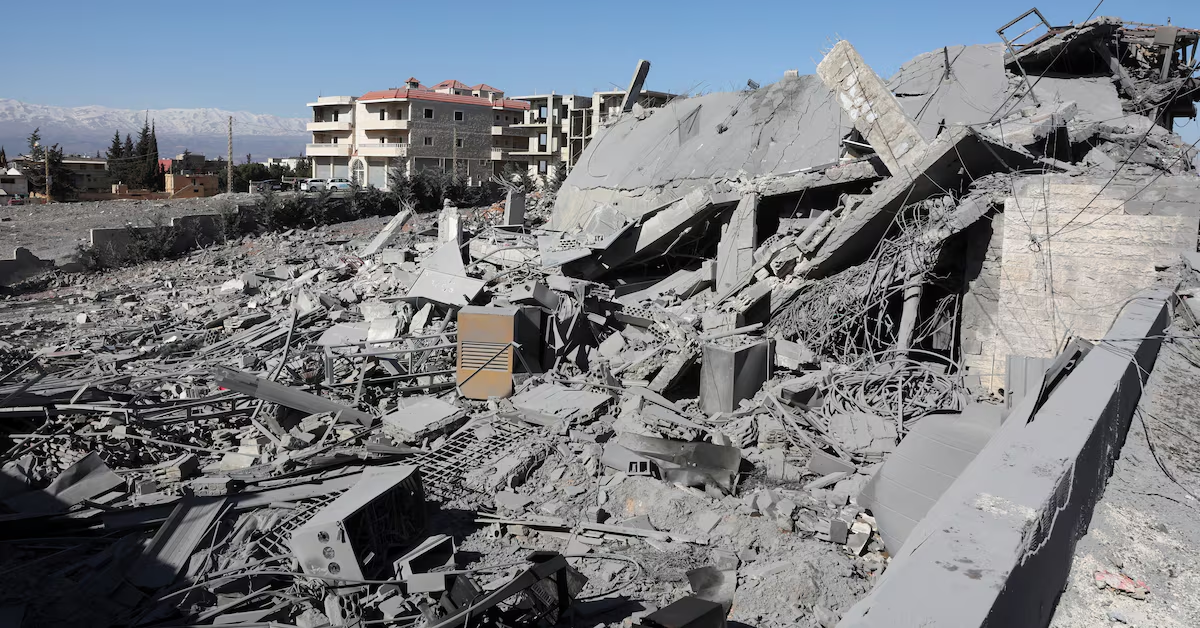
BEKAA VALLEY, Lebanon — March 7, 2026 — Parliament News — Israel military strikes Lebanon have left at least 26 people dead after a powerful air attack hit the eastern Lebanese town of Nabi Chit, according to local authorities and emergency services. The strike occurred early in the morning and caused severe destruction to residential buildings, sending rescue teams racing to search for survivors trapped beneath rubble.
• At least 26 people were killed after an airstrike hit the Lebanese town of Nabi Chit.
• Emergency teams spent hours rescuing survivors from damaged buildings.
• The incident has raised fears of wider escalation across the Israel Lebanon border.
The attack marks one of the deadliest incidents reported in the Bekaa Valley this year and has quickly intensified concerns about rising instability in the region.
Strike Devastates Town in Lebanon’s Bekaa Valley
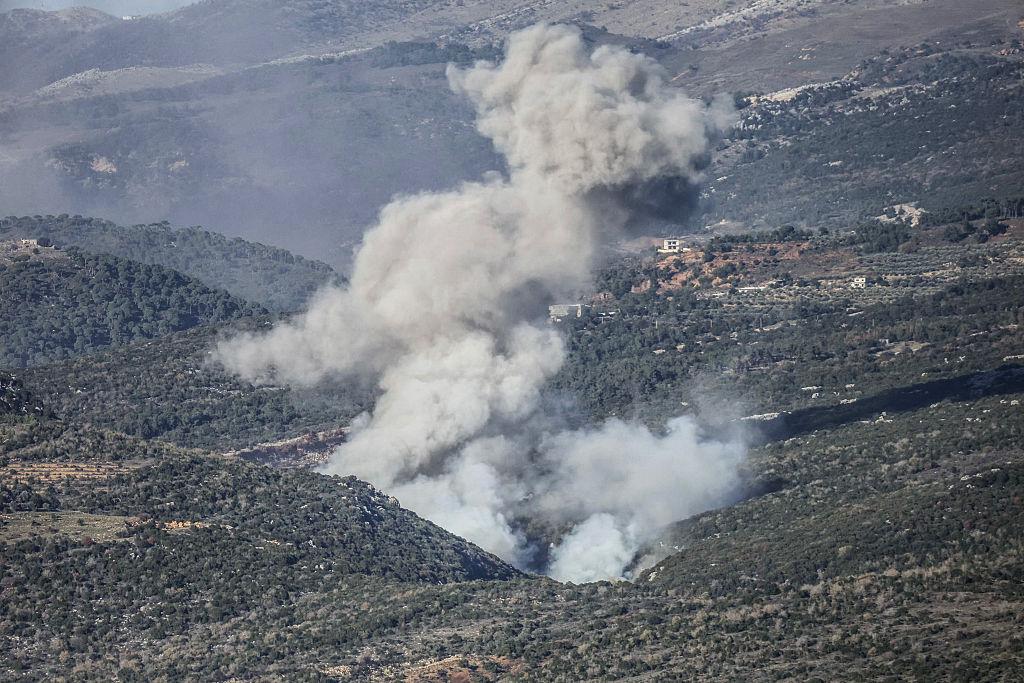
Residents in Nabi Chit reported hearing several powerful explosions before dawn. Moments later, thick smoke rose above the town as damaged buildings collapsed and debris scattered across nearby streets.
Officials say the Israel military strikes Lebanon targeted locations suspected of being linked to militant activity. However, many of the casualties were civilians who lived in the surrounding residential area.
Emergency crews rushed to the site shortly after the explosions, navigating damaged roads and unstable structures while attempting to rescue those trapped beneath collapsed buildings.
Medical officials confirmed that dozens of people were also injured during the Israel military strikes Lebanon, with several victims transported to hospitals across the Bekaa Valley for treatment.
Rescue Teams Search Through Rubble
Civil defense crews worked throughout the day to recover victims and assist survivors from damaged homes. Heavy machinery was brought in to move large concrete slabs that had fallen during the bombardment.
Rescue operations were complicated by unstable buildings that threatened to collapse further while crews were working in the area.
The Israel military strikes Lebanon left multiple homes completely destroyed and others severely damaged, forcing families to leave their neighborhoods and seek temporary shelter with relatives or local aid centers.
Local authorities warned that the death toll could rise as search teams continue examining the remains of damaged buildings.
Rising Tensions Across the Border
The Israel military strikes Lebanon come during a period of heightened tension between Israel and armed groups operating in Lebanon. Over the past several months, security incidents and military exchanges have increased along the border region.
Israeli officials have repeatedly stated that they are prepared to take action against threats near their northern frontier. Lebanese leaders, however, have condemned the airstrike as a dangerous escalation and a violation of the country’s sovereignty.
Security analysts say the Bekaa Valley has strategic importance because of its geographic position linking Lebanon and neighboring Syria.
The latest Israel military strikes Lebanon have raised fears that additional military actions could occur if tensions continue to rise.
Civilians Bear the Greatest Cost
For residents of Nabi Chit, the aftermath of the strike has brought grief and uncertainty. Families gathered outside damaged homes while rescue workers searched the ruins for missing individuals.
Aid organizations operating in the region say many residents now require emergency assistance including shelter, medical supplies, and food.
The Israel military strikes Lebanon have once again highlighted the vulnerability of civilians living near areas that have strategic or military significance.
Local schools and businesses temporarily closed as the community attempted to recover from the destruction.
Humanitarian groups are urging all sides to prioritize civilian protection and avoid actions that could lead to further casualties.
Historical Comparison With Earlier Conflicts
Observers say the Israel military strikes Lebanon reflect a pattern of conflict that has repeatedly emerged between Israel and forces operating in Lebanon. One of the most significant confrontations occurred in 2006, when a full scale war erupted between Israel and Hezbollah.
That conflict lasted more than a month and resulted in widespread destruction across southern Lebanon while also impacting northern Israeli cities. Although the scale of the current incident is far smaller than the war of 2006, analysts say the underlying tensions remain similar. Each new confrontation carries the risk that localized violence could rapidly escalate into a broader regional conflict.
International Community Calls for Calm
Global leaders and international organizations reacted quickly after reports of the strike began circulating.
Diplomats from several countries urged restraint and called for renewed diplomatic engagement aimed at preventing further violence.
Humanitarian groups also stressed the need to investigate civilian casualties and provide assistance to affected communities.
One regional humanitarian coordinator said the situation remains deeply concerning.
“Protecting civilians must remain the priority, because every escalation risks drawing more innocent people into the conflict.”
The statement reflects widespread concern that continued military exchanges could destabilize an already fragile region.
What Happens Next
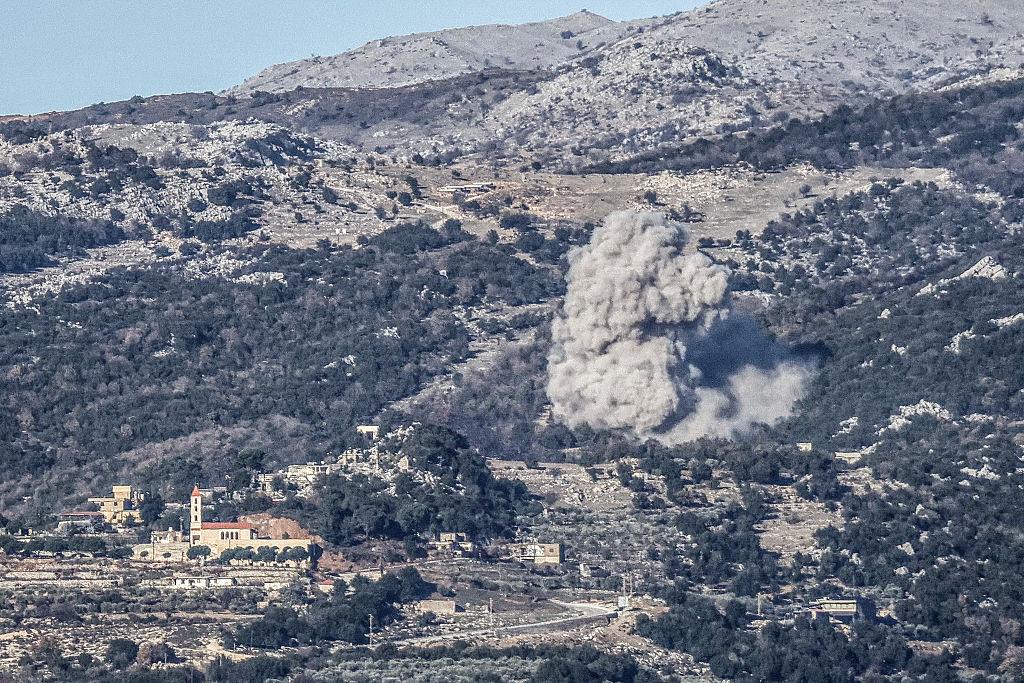
Security experts believe the Israel military strikes Lebanon could lead to increased military alert levels along the border as both sides monitor potential developments.
Regional governments are watching closely while diplomatic channels remain active in an effort to prevent additional escalation.
Meanwhile, rescue crews in Nabi Chit continue working through the debris left behind by the attack, hoping to confirm that no additional survivors remain trapped beneath the rubble.
The tragedy has left the community mourning its losses and rebuilding after one of the most destructive incidents in the area this year.
While political leaders debate the implications of the Israel military strikes Lebanon, the people of Nabi Chit face the immediate challenge of recovery and remembrance for those who lost their lives.