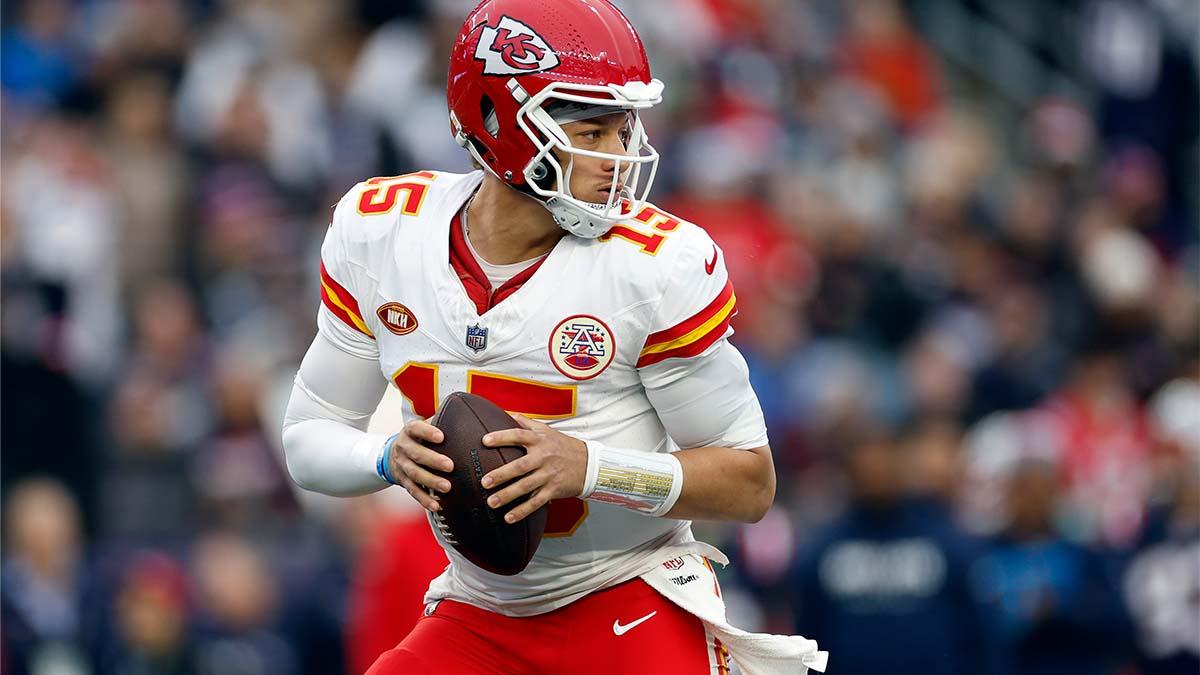
London, 11 June (Parliament Politics Magazine) – Patrick Mahomes has officially become the first NFL player to secure a $504.75 million contract extension with the Kansas City Chiefs. This historic agreement shifts the Mahomes vs Dak Prescott contract landscape, establishing an NFL-record $64 million average annual value starting in 2027 and cementing his position as the league’s highest-paid quarterback.
A New Era of Financial Valuation
The recent restructuring of the Kansas City signal-caller’s deal pushed his total contract value to $504.75 million, securing his tenure through the 2033 season. This extension is not merely a record-breaker; it is a fundamental recalibration of how top-tier organizations value generational talent. By ensuring an average annual value of $64 million starting in 2027, the Chiefs have effectively insulated their franchise leader from the annual fluctuations of the salary cap, ensuring he remains the highest-paid player in the league for the foreseeable future.
In contrast, the 2024 deal signed by Dak Prescott with the Dallas Cowboys represents a different negotiation philosophy. At $240 million over four years, Prescott’s extension initially set the league standard at $60 million per year. When analyzing the Mahomes vs Dak Prescott contract dynamic, it becomes clear that Prescott’s leverage was built on his impending free agency and the critical importance of stability within the Dallas organization. While the total figures are drastically different, both contracts underscore a singular reality: the cost of elite quarterback play is trending toward a level that was unimaginable a decade ago.
Strategic Allocation and Salary Cap Management
The mechanisms behind these record-setting deals reveal how front offices balance ambition with fiscal responsibility. For the Kansas City Chiefs, the goal was to maximize their competitive window while protecting the roster around their star. General Manager Brett Veach utilized sophisticated cap conversions to move massive sums into signing bonuses, creating immediate space to bolster the offensive line and receiving corps. This strategy allows the team to maintain a championship-caliber environment even while carrying a contract that dwarfs historical spending.
Dallas, similarly, faced significant pressure to retain their cornerstone signal-caller. The pressure of a potential third franchise tag—a scenario that would have resulted in an astronomical one-year salary—forced the hand of the Cowboys’ front office. By opting for a long-term extension rather than a short-term gamble, Dallas secured a measure of cost certainty. However, the inherent difference in the total value when evaluating the Mahomes vs Dak Prescott contract reveals the premium placed on long-term projectability and the specific performance escalators embedded in Mahomes’ deeper, more complex financial structure.
Performance Incentives and Market Leverage
The most compelling aspect of these contracts lies in their structure. Mahomes’ deal includes incentives that could push his total earnings toward $522.25 million, demonstrating a pay-for-performance model that rewards sustained excellence. Prescott’s agreement, while less focused on long-term upside in total value, provides an massive $231 million in total guarantees, representing one of the highest levels of immediate security ever granted to a professional athlete.
The debate over the Mahomes vs Dak Prescott contract often ignores the timing of these negotiations. Prescott’s contract was finalized in a high-pressure, pre-season environment where the absence of a deal would have created significant distractions for the Dallas organization. Conversely, the Chiefs proactively adjusted their commitment to Mahomes even as he navigated recovery from a severe knee injury. This highlights the trust Kansas City places in their leader, prioritizing long-term stability over the immediate concerns of a single lost season.
The Future of Quarterback Compensation
As we move deeper into the 2026 season, the ripples of these deals continue to influence the broader NFL economy. Other teams now face the reality of a market where $50 million annually is becoming the entry point for mid-tier veteran extensions. The Mahomes vs Dak Prescott contract comparison effectively functions as a bellwether for what elite teams must be prepared to pay. As revenue streams for the NFL continue to expand, the definition of a “fair” salary for a starting quarterback will likely require further redefinition.
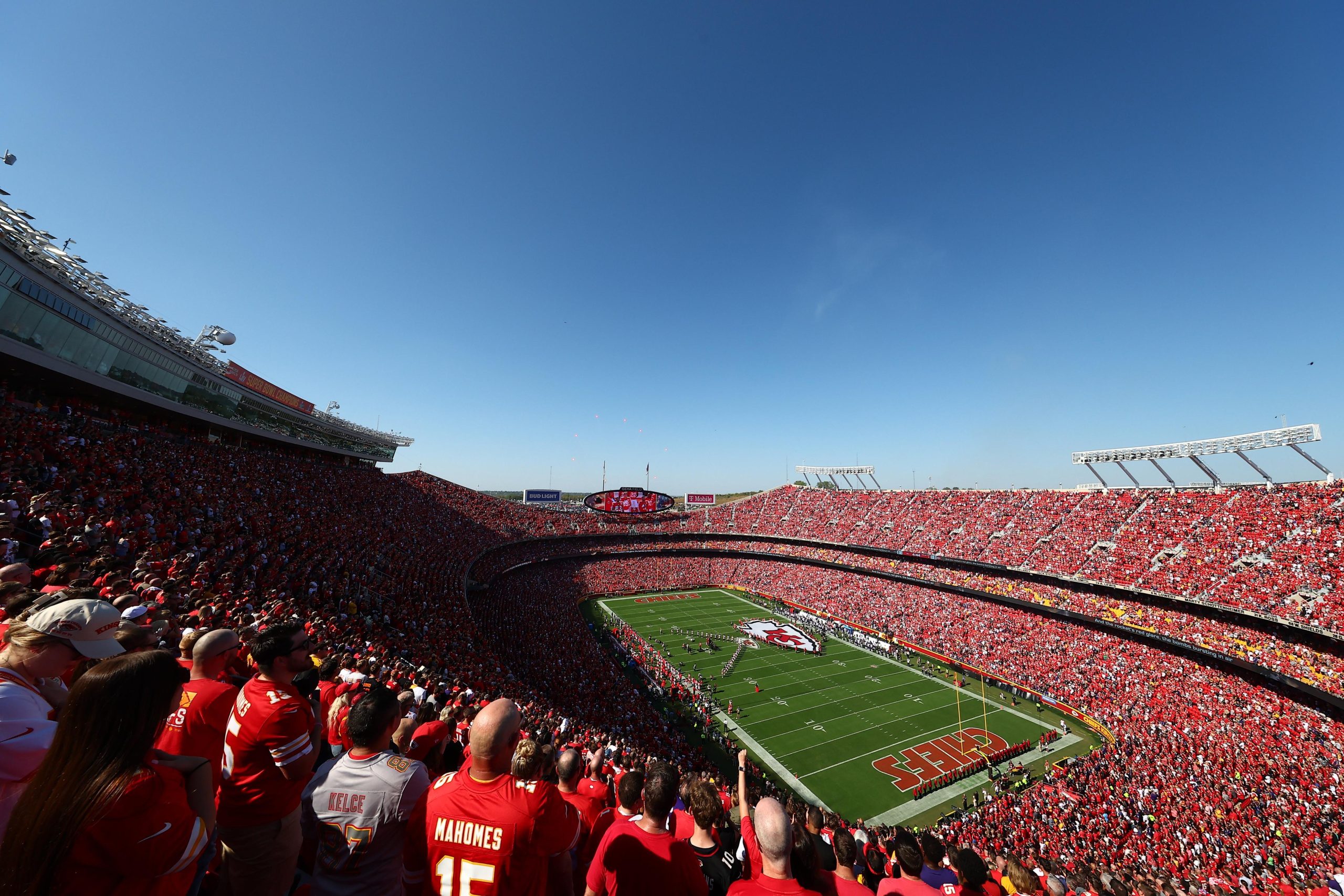
For fans and front offices alike, these numbers are not just statistics but indicators of the league’s health and the increasing centralization of value around the quarterback position. Whether it is the sheer longevity promised to the Kansas City star or the immediate, high-value commitment given to the Dallas leader, these deals signify that teams are willing to pay almost any price to avoid the instability of the open market.
The era of the half-billion-dollar contract has arrived, and it has permanently altered the internal financial planning of every team in professional football. As the league grows, the benchmarks set by these two contracts will undoubtedly be challenged, but for now, they stand as the pillars of a new, high-stakes financial hierarchy. The question remains which other stars will follow this path, as the demand for elite, consistent production continues to drive investment to unprecedented, historic levels across the sport.
Parliamentary Insight
The astronomical valuation of this deal forces a necessary conversation within Westminster regarding the widening chasm between hyper-commercialized global sports and domestic fiscal policy. While the British government often touts the economic benefits of attracting marquee international talent, such extreme capital concentration highlights the growing pressure on national sports funding models.
As taxpayer-backed initiatives grapple with limited resources, the sheer scale of American franchise spending sets a precedent that might encourage aggressive private equity lobbying for further deregulation in UK football leagues. If the market continues to inflate at this velocity, policymakers will face mounting scrutiny over the sustainability of our own sporting infrastructure versus the influence of unbridled global capital.