

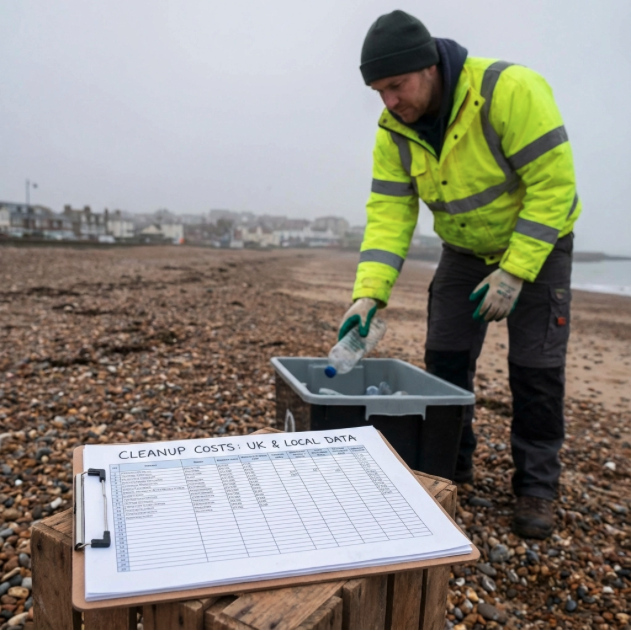
Last year, we launched our campaign to move away from the common single-use plastics (SUPs) to reusable or biodegradable alternatives. As a publication, we decided this was the right thing to do because of the health and environmental impacts of SUPs – But there is another cost, which, as we start 2026, we thought was worth exploring – the financial costs (benefits).
The last available figures suggest the UK’s local authorities allocate a whopping £773 million annually to street cleaning operations. Single-use plastic waste comprises more than a third (34 per cent) of collected litter volume. In total, Councils process 2.7 million tonnes of street waste per year.
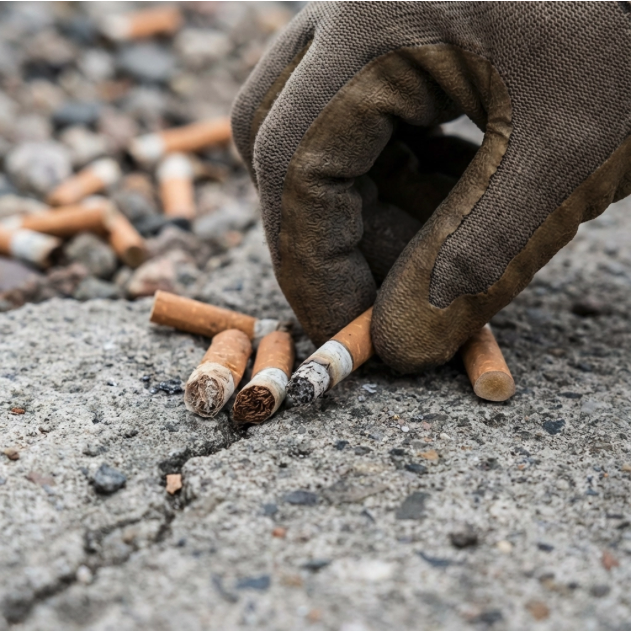
Drilling into these figures and we see local authorities spend £40 million annually removing cigarette butts from UK streets, with an average collection frequency of 156 “cleaning cycles” per location annually and processing costs of £847 per tonne for cigarette waste removal and disposal. This is why we have been campaigning for an amendment in the Tobacco and Vapes Bill to ban plastic cigarette butts.
But of course, it’s not just plastic cigarette butts that are a problem and contribute to the costs.
Plastic Bottles
Council teams collect an estimated13 billion plastic bottles annually from UK streets and parks. Processing cost: £423 per tonne under Extended Producer Responsibility regulations. Annual municipal expenditure: £89 million for plastic bottle cleanup operations.
Shopping Bag Removal Operations
Despite carrier bag charges, councils remove 2.1 billion discarded plastic bags annually. Collection cost: £0.03 per bag including labour and transport. Total annual expenditure: £63 million across UK local authorities.
Food Container Processing Costs
Single-use food packaging generates 847,000 tonnes of municipal litter annually. Processing rate: £423 per tonne EPR fee structure. Council expenditure: £358 million for collection, transport, and disposal operations.
Regional Cost Variations
London boroughs: £127 million annual plastic cleanup expenditure. Manchester metropolitan area: £34 million yearly costs. Birmingham council region: £28 million allocated to plastic waste removal. Edinburgh and Glasgow combined: £19 million municipal spending.
Street Cleaning Labour Costs
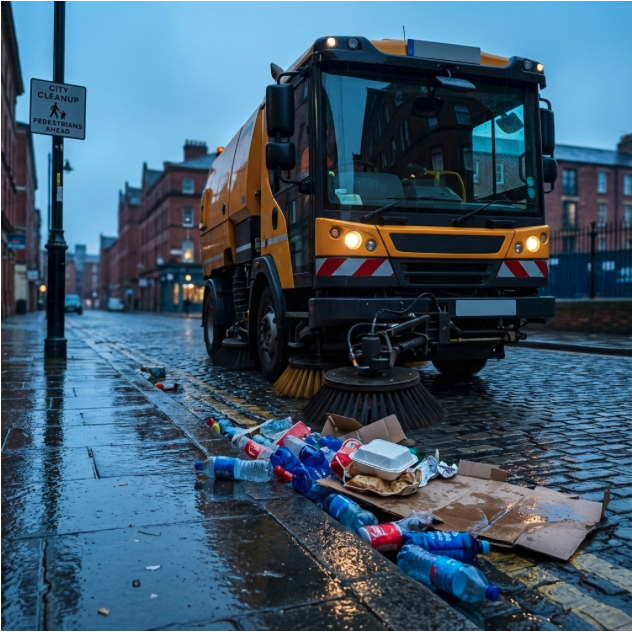
UK councils employ 23,400 street cleaning operatives. Average wage cost: £24,800 per operative annually. Plastic waste cleaning comprises 31% of total working hours. Labour cost allocation: £189 million specifically for plastic litter removal.
Drainage System Maintenance
Plastic waste blocks drainage systems in 67 per cent of UK council areas. Annual clearance operations cost £156 million nationally. Emergency callout frequency: 234,000 incidents per year. Average clearance cost per incident: £67 including equipment and personnel.
Park and Recreation Area Costs
Council maintenance teams clean 47,000 public parks and recreation areas. Plastic litter removal frequency: every 3.2 days, average across locations. Annual expenditure: £94 million for park plastic waste management operations.
Transportation and Disposal Fees
Vehicle fleet operations for plastic waste collection: £78 million annually. Fuel costs for dedicated plastic waste collection routes: £23 million per year. Landfill disposal charges for collected plastic: £45 million across UK councils.
Administrative Processing Costs
Council departments process 1.7 million plastic waste-related complaints annually. Administrative cost per complaint: £18 including investigation and response. Annual administrative expenditure: £31 million for plastic litter management systems.
Equipment and Infrastructure Investment
Mechanical street sweeping equipment purchase and maintenance: £134 million annually. Plastic waste bin installation and replacement: £67 million per year. Collection vehicle fleet renewal costs: £89 million across UK local authorities.
Taxpayer Burden Analysis
Council tax allocation to plastic waste cleanup: £34 per household annually. Total taxpayer contribution: £956 million through local taxation. Government grant allocation for waste management: £267 million supplementary funding.
Cost Comparison with Other Materials
Paper waste cleanup: £196 per tonne processing cost. Glass waste removal: £192 per tonne municipal expense. Metal container collection: £266 per tonne operational cost. Plastic waste processing: £423 per tonne – highest category expense.
Future Cost Projections
Expected annual increase in cleanup costs: 7.3 per cent based on consumption trends. Projected 2030 expenditure: £1.2 billion for UK plastic waste cleanup. EPR fee structure adjustments: additional £89 million producer payments by 2028.
Economic Impact on Services
Budget reallocation from other council services: £234 million annually. Library service cuts to fund cleanup operations: 89 facilities closed. Youth centre closures due to waste management costs: 156 facilities affected across UK.
Emergency Response Costs
Storm drain blockage emergency responses: £89 million annually. Coastal cleanup operations after weather events: £45 million per year. River and waterway plastic removal: £34 million municipal expenditure.
Technology Investment Requirements
Smart bin sensor installation costs: £67 million infrastructure investment. GPS tracking systems for collection vehicles: £23 million technology deployment. Waste sorting facility upgrades: £156 million capital expenditure required.
Policy Implementation Costs
Single-use plastic ban enforcement: £23 million council enforcement budget. Regulatory compliance monitoring: £12 million annual operational cost. Education and awareness campaigns: £45 million local authority spending.
What might be surprising is that this blizzard of facts doesn’t even capture the amazing work of charity groups that campaign for tidy streets or clean rivers and seas, so the total costs are even greater.
So to the small group of people who think that our campaign is more leftie woke nonsense, there are very good fiscal reasons to support a move away from single-use plastic. Moving away from the four most common items of plastic litter: cigarette butts, plastic bottles and their lids, food & drink packaging and plastic bags/film would not only see massive improvements to the environment and our health, but would benefit our pockets, saving million and who can argue against that?